

Decor Tips
Japanese Decor Ideas
Japanese style interiors are about minimalism, function and clean lines. Natural light-infused spaces that feel serene — that’s where you can feel echoes of the types of homes you’d find in Japan and Japanese culture. Shop the hand-picked pieces below and see what a designer says about how to incorporate one into your own decor.


How Should You Decorate a Japanese Style House?
Wood, bamboo, and natural fibers are the essentials for Japanese style. Adopting a neutral color palette, including soft tones like beige, white, and earthy colors, helps create a serene environment. Incorporating Shoji screens can add flexibility to your space by creating sliding doors and screens for open areas. Minimalist furniture is a crucial element; opt for low-profile, functional pieces with clean lines. Finally, greenery, such as bonsai, ferns, or bamboo, brings a touch of nature indoors.


What Are the Rules of Japanese Minimalism?
Simplicity is paramount; the mantra "less is more" dictates that one should remove unnecessary items. Functionality is another critical aspect; every item should be both beautiful and useful. Natural elements like wood and stone should be prominently featured. Harmony and balance are vital, ensuring that each element complements the others. Mindfulness is woven throughout, with spaces designed to promote relaxation and mental clarity.
Japanese Decor Inspiration
Essentials for a modern take on the classics.


Japanese Living Room Inspiration


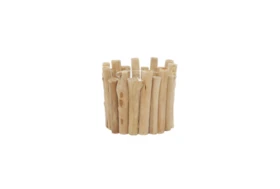
A Designer's Must-Have Japanese Decor Item
Bamboo tables and cane TV stands can get pricey, so we grabbed a moment with LS staff designer Courtney Marquez to talk about her decorating hack. "Rice paper art," she says, "is an easy way to incorporate Japanese heritage into your aesthetic. I love these botanical designs for a bedroom space!" See her favorite white sabal art piece, shown above, in a neutral color palette setting aesthetic.
What is Japanese style decor called?
Japanese style decor, also known as "Japandi" or "Japanese Minimalism," focuses on simplicity, natural elements, and functionality. It combines the rustic elegance of traditional Japanese design with the modern minimalism found in Scandinavian interiors.
What do Japanese people decorate with?
Japanese people often use tatami mats for flooring, which are woven straw mats that provide a unique texture and feel. Shoji screens, the sliding paper doors, offer flexibility in room arrangements and add a traditional aesthetic. Ikebana, the art of flower arranging, is a prominent decorative element, alongside bonsai trees and various indoor plants.
How do you set up a Japanese style room?
A Japanese style room setup begins with a tatami mat as the foundation. Including a low table, known as a Chabudai, along with floor cushions called Zabuton for seating, creates an authentic atmosphere. Proper lighting, using either paper lanterns or maximizing natural light, acheives the desired ambiance.


Read the Latest


Editorial Disclaimer: Articles featuring tips and advice are intended for educational purposes and only as general recommendations. Always practice personal discretion when using and caring for furniture, decor and related items.
