Your Top Neutral Color Palette Questions Answered
One of the interior design quandaries homeowners struggle with the most involves what color scheme they should use throughout their living space. Those who want to play it safe tend to favor a neutral color palette, while anyone who likes to experiment and take chances will go for bold colors. While neutral hues may be the safer, more popular option, there are still plenty of questions that arise when it comes to addressing important elements like paint colors and home decor.
From the living room, dining room and kitchen, to the bedrooms and bathrooms, you can employ neutrals to create a serene setting anywhere you go. Another reason we love neutrals is their ability to complement a variety of design styles, from minimalist and modern, to layered and traditional. If we’ve convinced you to go to the neutral zone, stick around for our answers to your top neutral palette questions.
What are the 4 main neutral colors?
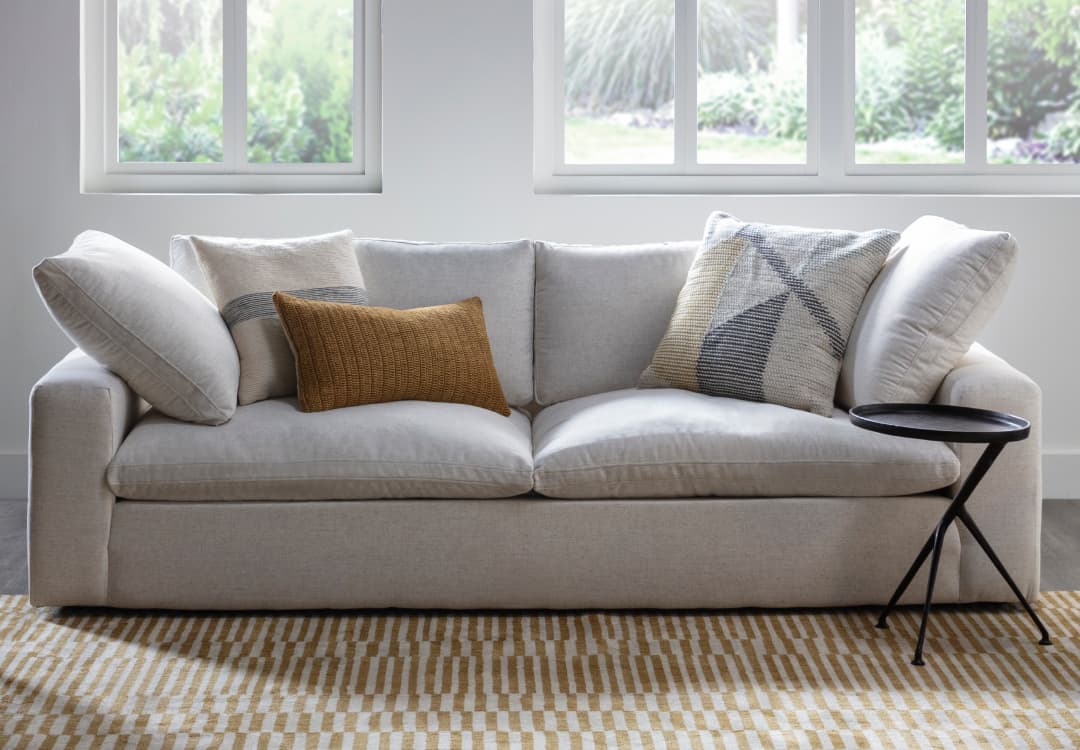
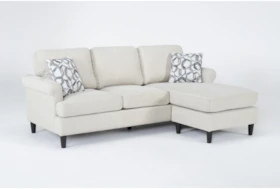
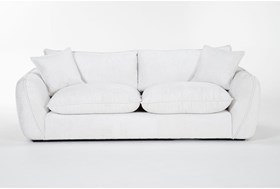
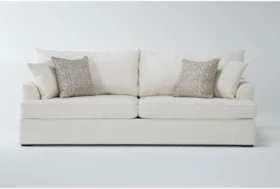
You can’t have a list of neutral colors without including the most obvious and ubiquitous hue. Though it may seem simple and straightforward, white offers an array of variations that make it one of the most complicated for choosing white paint colors or white fabric colors. From eggshell and off-white, to ivory and cream, there are subtle undertones that make every version slightly unique.
If you haven’t already, you will see just how many shades of white exist when you’re picking wall colors. To avoid an overly monochromatic look with white walls, white furniture and white accessories, you can bring in pops of color through throw pillows or even your coffee table and additional accent pieces.
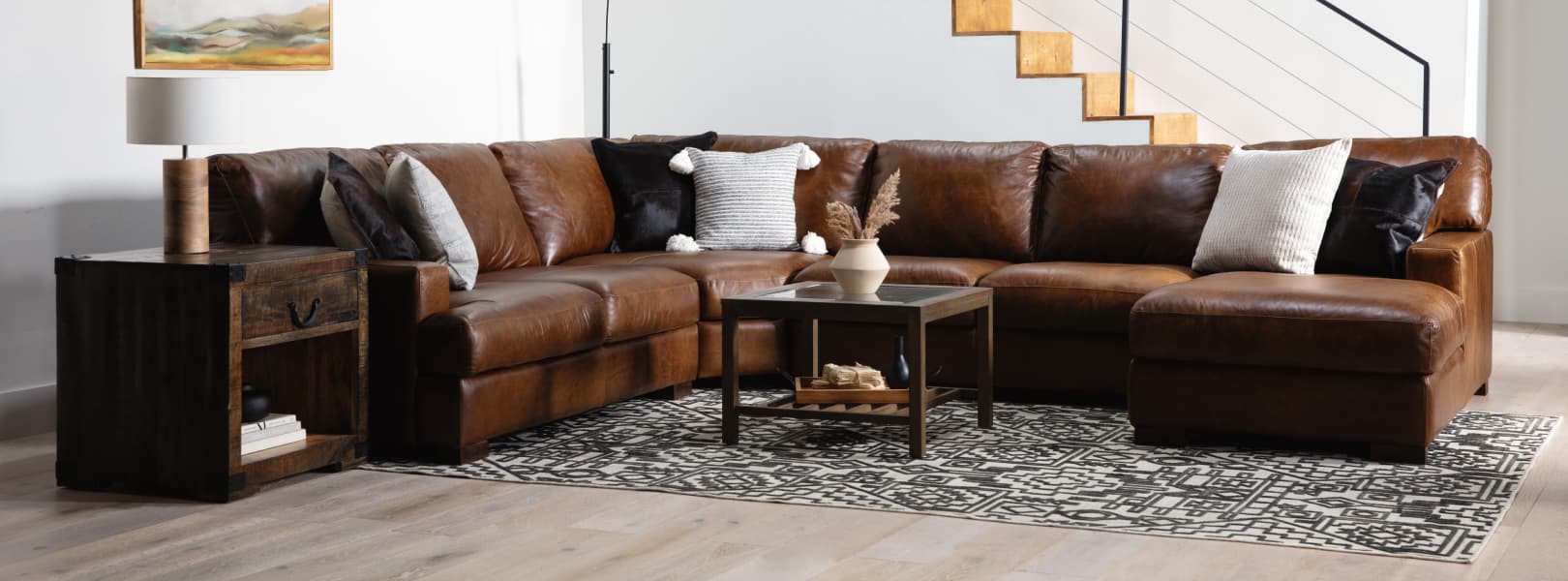
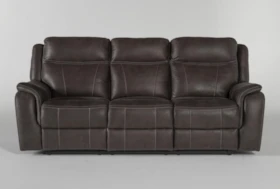
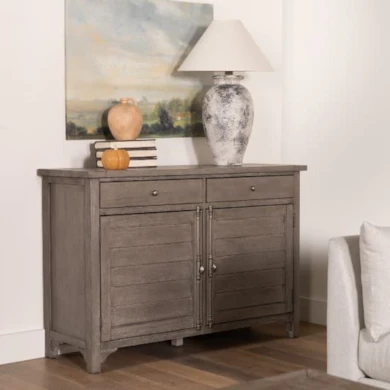
When researching a neutral color scheme, you’ll no doubt find that brown is one of the top options. After all, you almost can’t decorate a space without using wood furniture, and wood’s natural state is brown. Not only can you pair it with many different colors, but just like white, there are an abundance of variations - from light taupe to dark chocolate.
We especially love that it's a warm neutral, which means it’s instantly inviting and comforting. Because of its earthy appeal and grounding feel, brown has a way of creating cozy vibes.
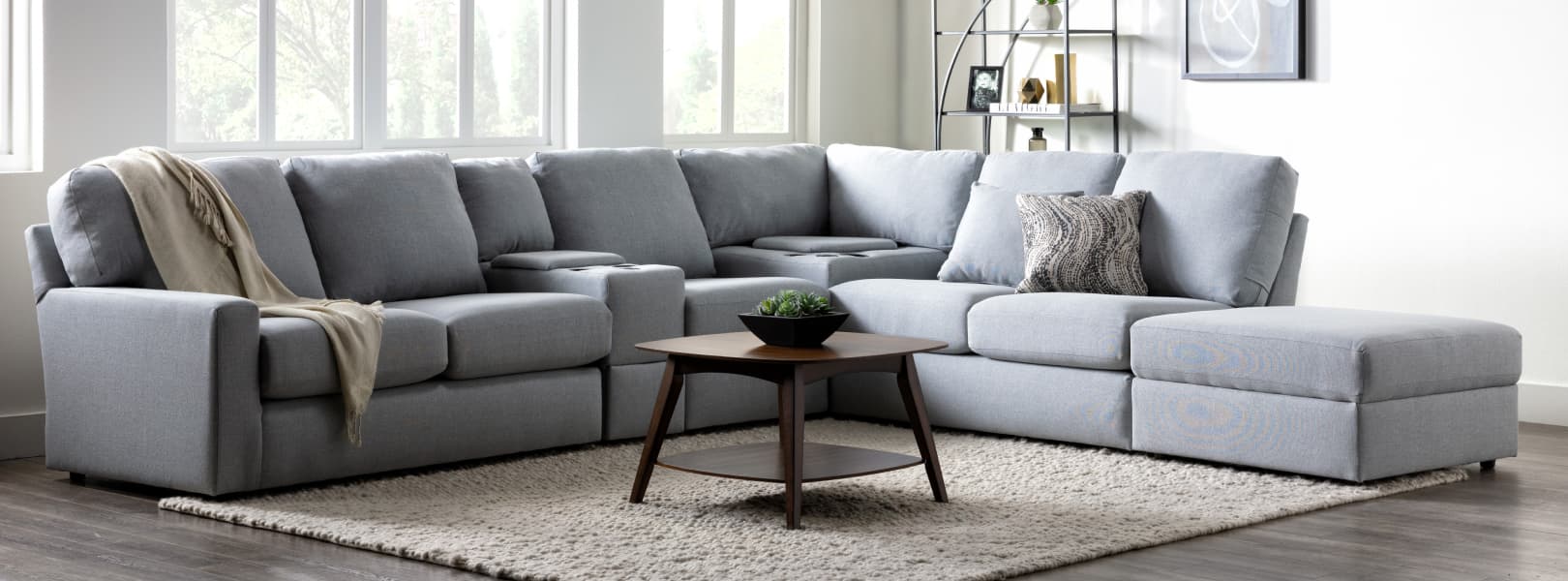
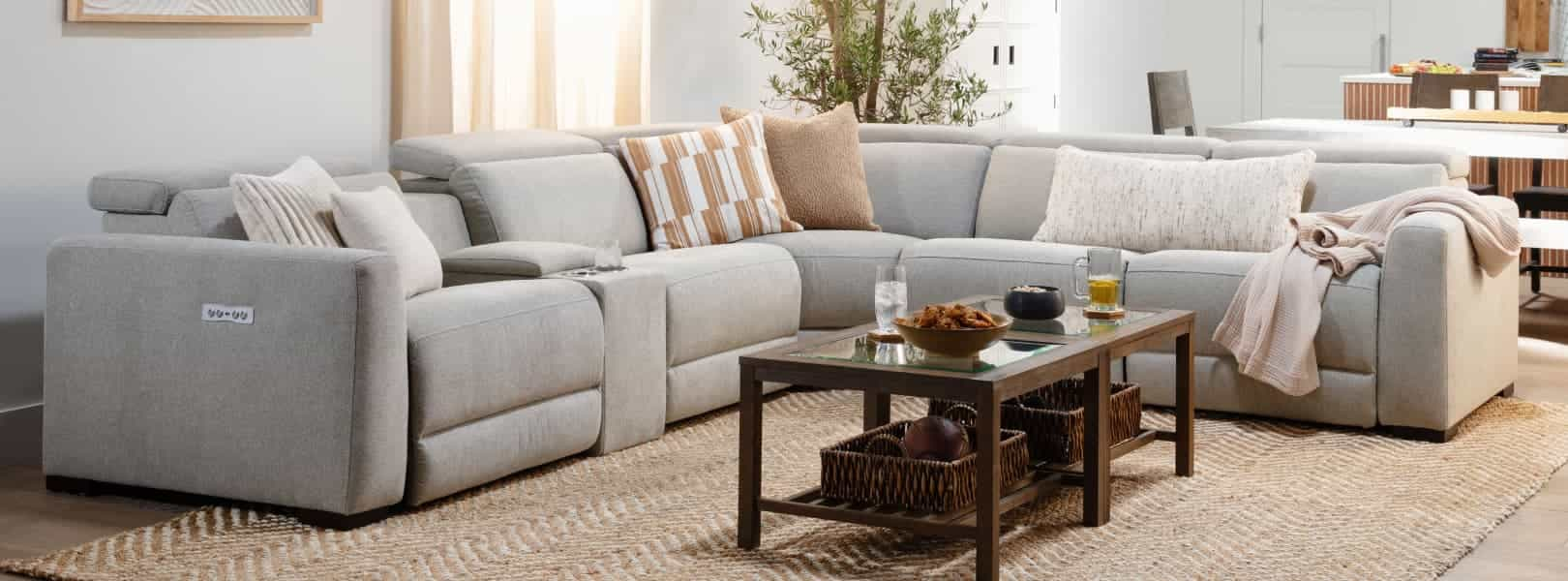
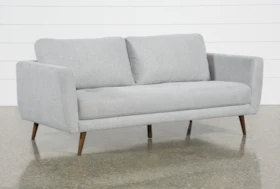
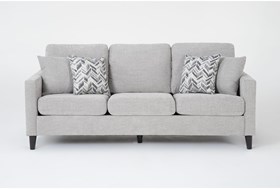
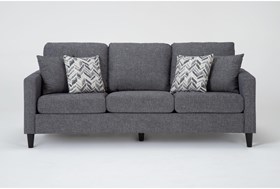
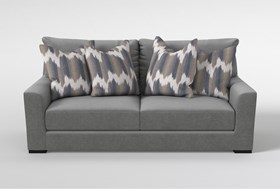
Right around the time Fifty Shades of Grey became a massive pop culture phenomenon, the color grey also came into its own as one of the most widely used colors in interiors. As neutral tones go, it’s the perfect balance of light and dark, making it an endlessly versatile choice for neutral walls, neutral furniture and beyond.
Many of us count grey as our favorite neutral because of its easy, timeless sophistication. There’s also been an emergence of a hybrid color - greige, which combines the best of both grey and beige.
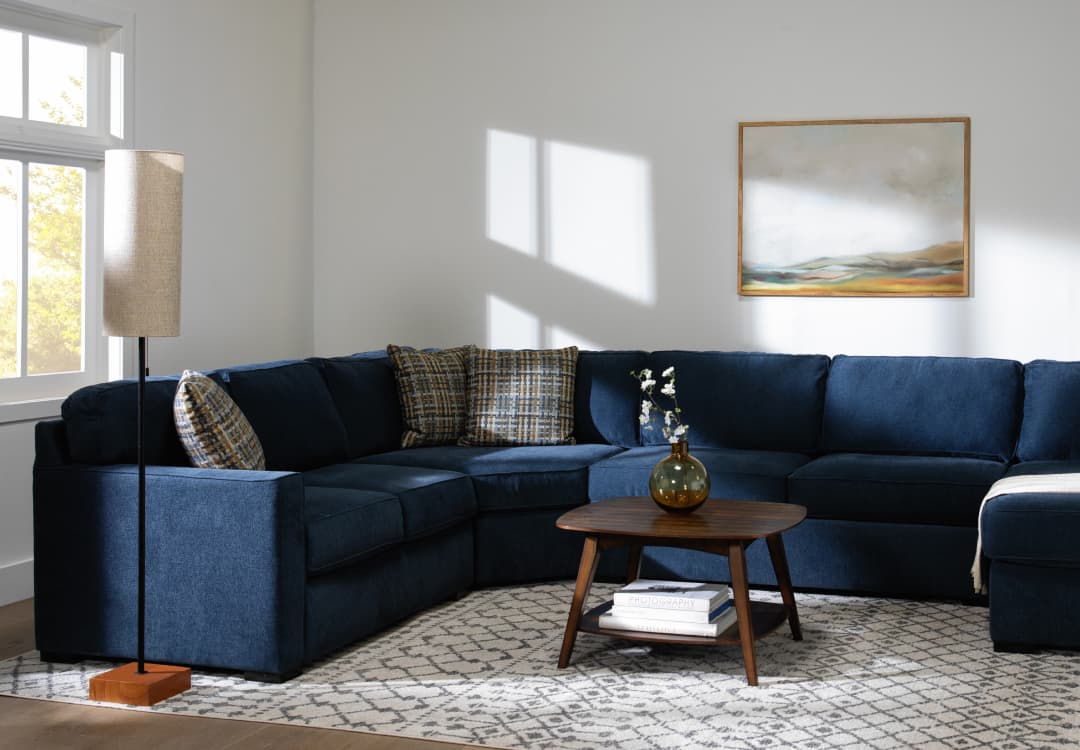
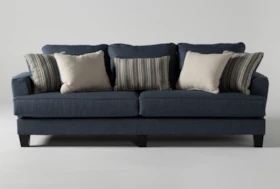
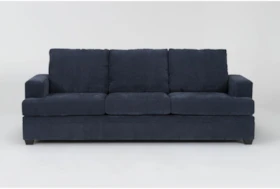
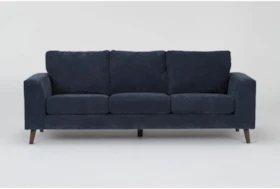
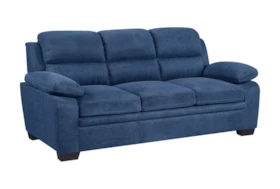
The only neutral that’s actually on the color wheel, blue is officially one of the cool neutrals. While many of us tend to think of blue as an accent color, it’s proven its neutral status by being a favorite for big-ticket items. Especially in rooms that get a lot of natural light, blue can be used in heavy doses to make an impact.
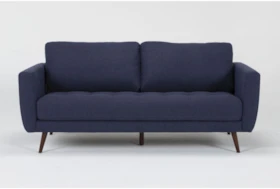
Depending on the saturation level, this cool color is perfect for more than just an accent wall. You can experiment with the entire spectrum of blue to see which shade works in your space. Navy is a rich and sophisticated option for sofas and sectionals, and you can go lighter in artwork and accessories.






What neutral colors go well together?
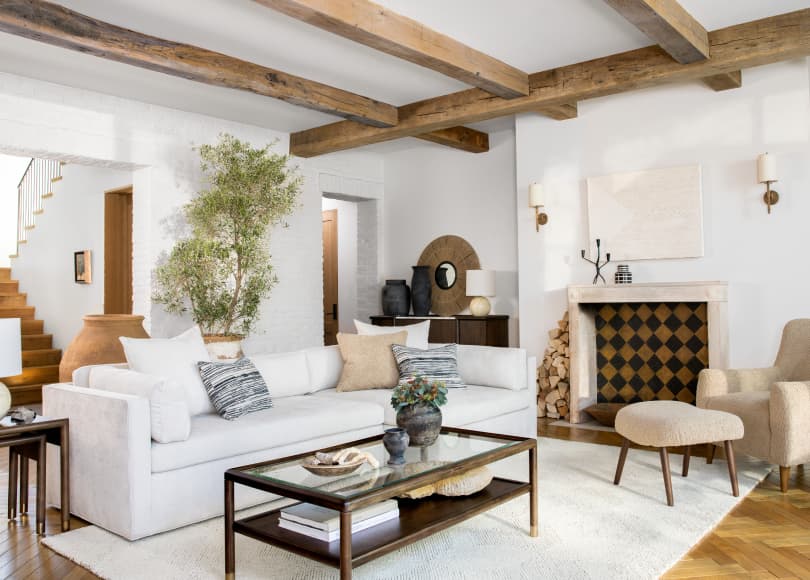
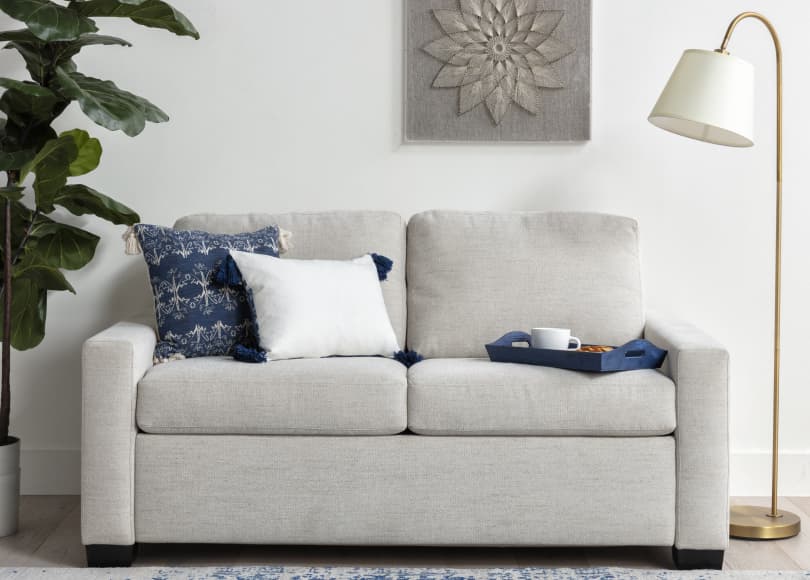
What are calming neutral colors?









— More Great Articles —


Read the Latest


Editorial Disclaimer: Articles featuring tips and advice are intended for educational purposes and only as general recommendations. Always practice personal discretion when using and caring for furniture, decor and related items.