

How to Set a Table for a Dinner Party
Table Setting for Formal Dinners
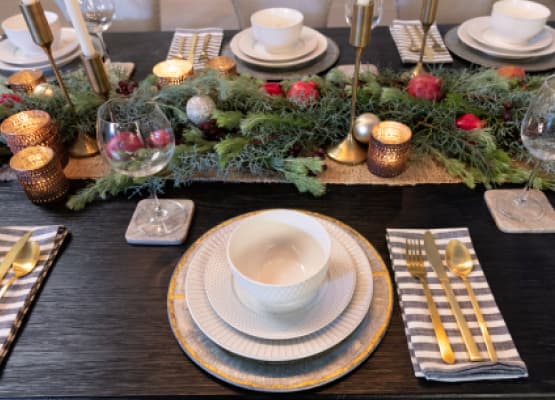
Formal table settings include many components that lend to the elegance of the dinner. Essentials include a tablecloth, dinner plates, soup bowls, and salad plates. There will also be plates for bread, along with napkins, salad forks, dinner forks, and knives. Soup spoons, butter knives, dessert spoons, and glasses for water and wine usually round out the formal table setting.


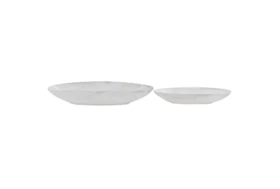


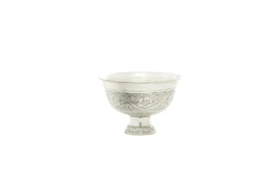
Here are the first set of instructions for a dazzling formal table.
- Spread an ironed tablecloth on the table.
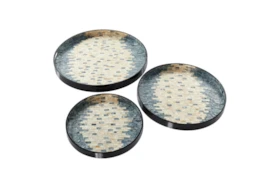
- Place a charger on the table in front of each seat. Charger plates are large decorative service plates where other dinnerware is placed on during formal occasions.
- Place soup bowls in the center of each charger.
- You should place the bread plates at the top left of the charger (between 10 and 11 p.m. on the clock face).
- All napkins should be to the left of each charger.
- The salad forks should be to the left and outside of the chargers. The dinner forks will be on the inside or placed directly on the napkins. You can also put them on the tablecloth between the napkins and chargers for roomier settings.
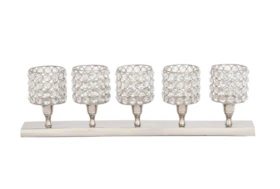

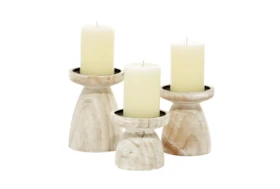




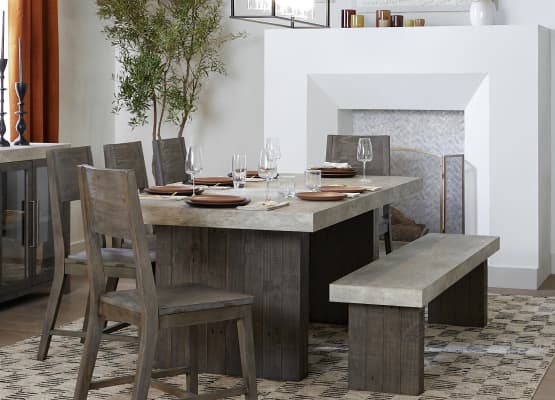
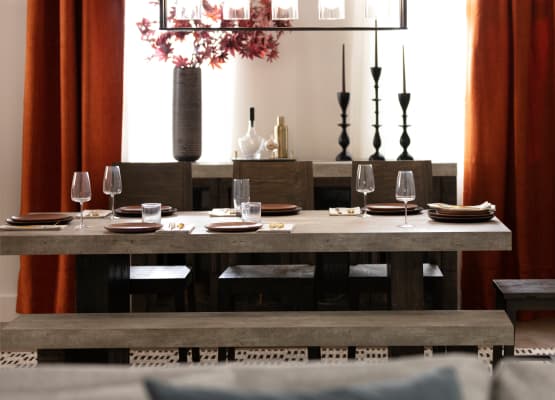


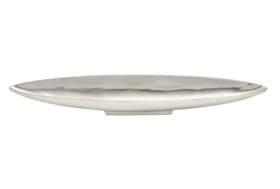


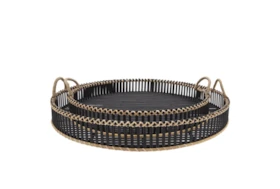
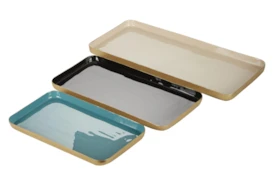
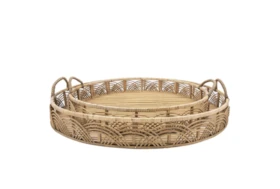


While the process for setting a dinner table may be lengthy, you can easily customize any settings as desired. Formal tables are synonymous with exquisite, classy aesthetics, but function and convenience should always take precedence. Here are the remaining set of instructions for standard dinner party tables.
- Place knives on the right of the chargers with the blades facing toward the chargers. Then place the soup spoons and flatware (dinner forks and salad forks) spaced evenly. Keeping them about half an inch from each other is okay with the bottoms of the cutlery aligned with the bases of the chargers.
- Butter knives should be placed horizontally with the blades facing inwards on top of the bread plates. The handles should face the right.
- Dessert spoons can be put above the chargers with the handles pointing to the right.
- Water glasses go directly above the knives, with white wine glasses to the right. Red wine glasses go to the right of white wine glasses.
- Salt and pepper shakes should be above the dessert spoons or placed in the center of the tables. For long tables, put them in the middle of each end.
- Place cards are optional but should be set above dessert spoons.
Casual Table Settings
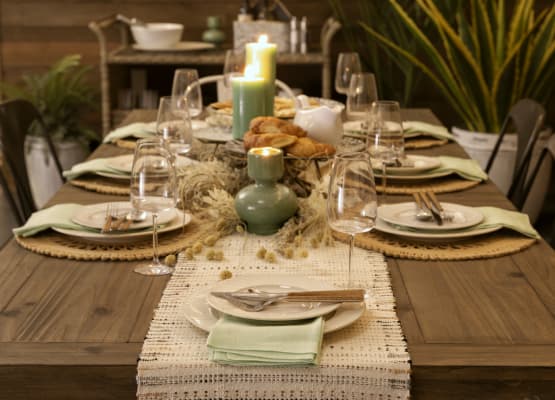
Casual dinners are less formal and offer more space for guests around the dinner table. Forks and dessert spoons are optional but usually placed above dinner plates. Bread and butter plates are optional, too, but should be positioned above the forks on the left. Napkins can be placed directly on the dinner plates or to the left of the forks; appetizers and entrees can be placed in serving trays in the middle of the table or on mobile servers and tables in the dining area. While water and wine goblets are ideal for casual dining arrangements, remember that you can also use these for other cold beverages if needed.
Buffet Table Settings
Buffets are self-serve-style dinners that are usually informal. Utensils are placed at the end of the buffet with plates at the start of it. Side dishes, main courses, vegetables, salads, slices of bread, and condiments should follow the plates in order. Any table decorations should be above and in the center of the buffet arrangements. Place beverages on a separate table to avoid congestion for your guests and paper napkins between each plate to save space.
These are just some of the ways to set a dinner table for your social event; as always, it's best to optimize these settings for your personal style and hosting requirements as you can, to achieve desired results!






— More Great Articles —



Dinner Party Pieces
Read the Latest


Editorial Disclaimer: Articles featuring tips and advice are intended for educational purposes and only as general recommendations. Always practice personal discretion when using and caring for furniture, decor and related items.
