9 Office Organization Ideas to Spruce Up Your Workflow
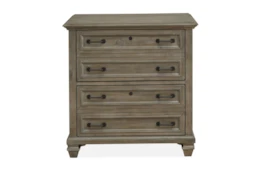
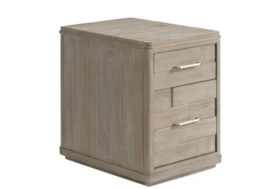
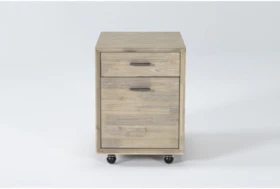
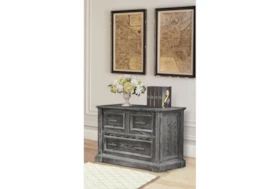
1. Filing Cabinets With Flair
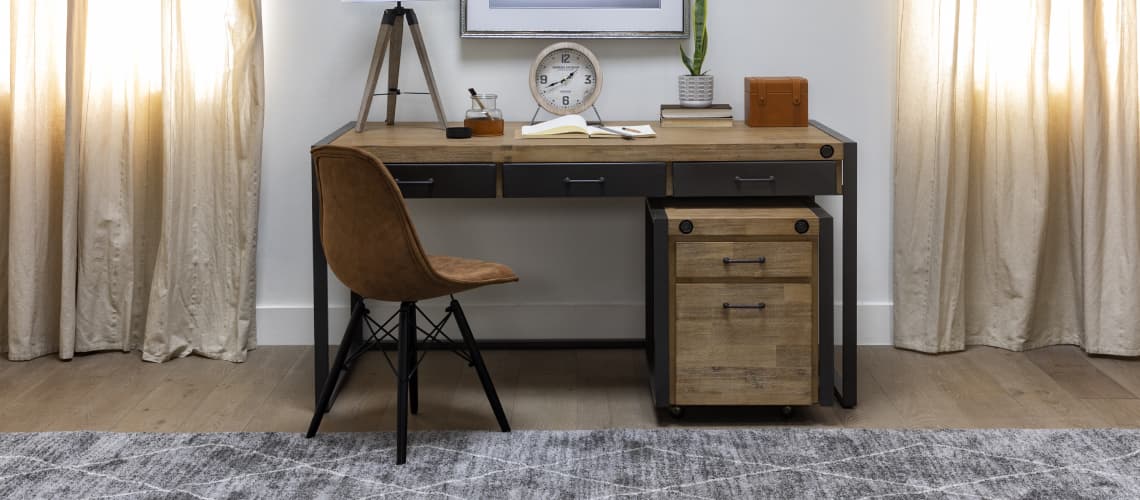
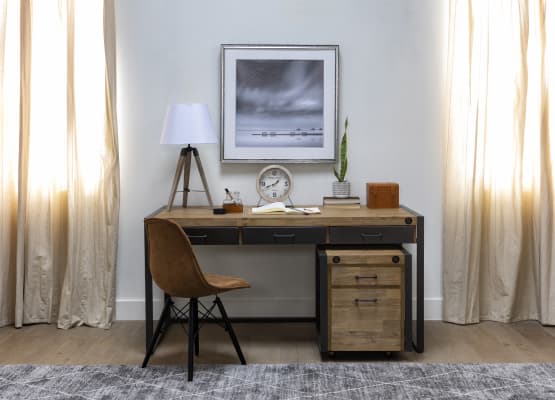
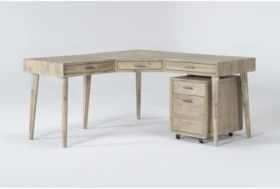
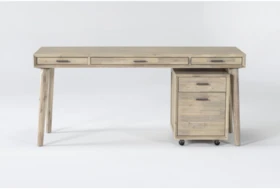
Gone are the days of rickety, rusty metal cabinets. Today's options include mixed materials, gorgeous wooden finishes in all hues, and designs that blend seamlessly with your decor. You can also opt for filing cabinets on casters to make rearranging office configurations a snap.
2. Conquer Office Essentials With Desks With Drawers
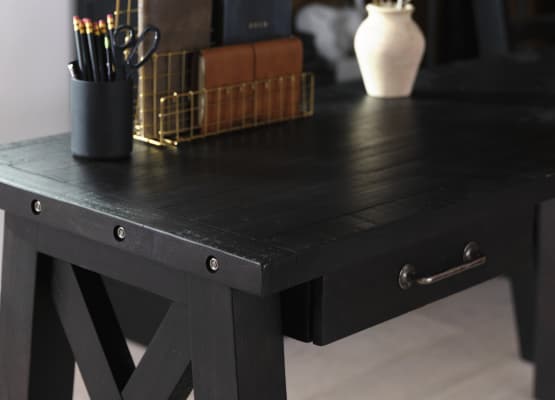
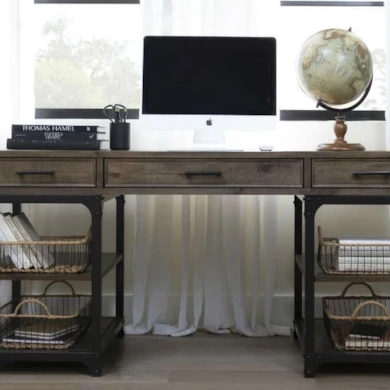
Keep workspaces clear of clutter when you choose desks with drawers. Further organize your space with drawer dividers — even those dividers meant for kitchen utensils can keep pens, paperclips, and cords under control. Also consider modern desk systems, which often come with media cutouts and built-in USB charging ports to control cord clutter.


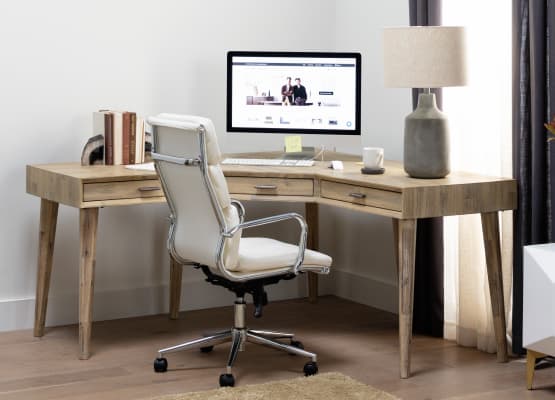
3. Corner the Market on Corner Desk Setup
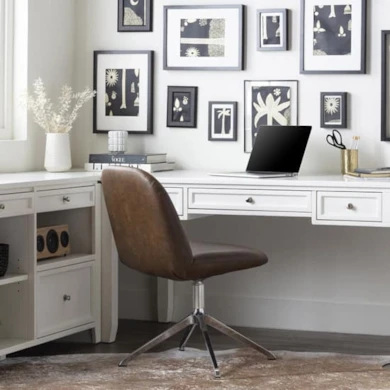
Free up floor space and utilize every nook of your room with a corner desk. These styles provide extra work surfaces, as well, so you can balance electronic needs like laptops and desktops with paper solutions like calendars and journals. (A large enough corner desk also allows a child to work alongside you come homework time!)
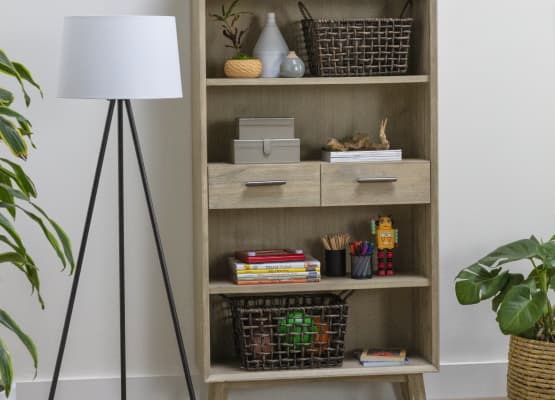
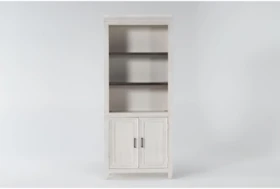
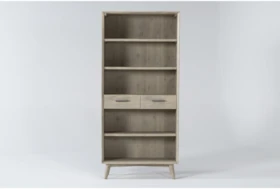
4. Bookcases With Drawers Keep Things Personal
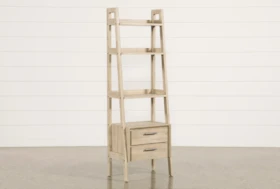
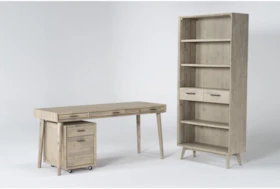
Keep go-to references within reach while keeping personal items personal with bookcases with drawers. Showcase framed art, family photos, and a favorite creeping plant to warm your space and provide inspiration.





5. Step Up Your Office Design With a Cabinet Table
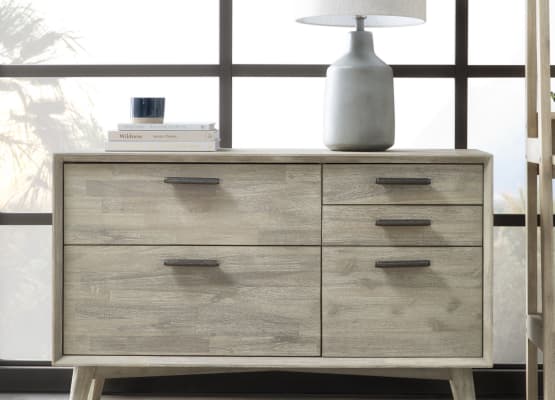
Though it looks like a buffet server for the kitchen, this piece can bring a new level of style and organization to the home office. There's ample surface area up top for monitors and printers, and the extra storage it provides keeps supplies at the ready and productivity high.
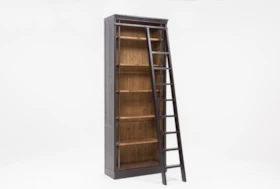
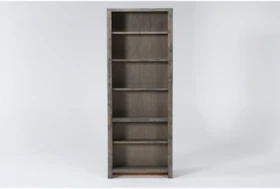
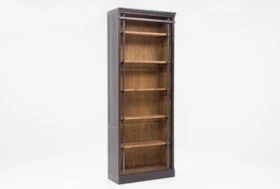
6. Peek Through Open Shelf Bookcases
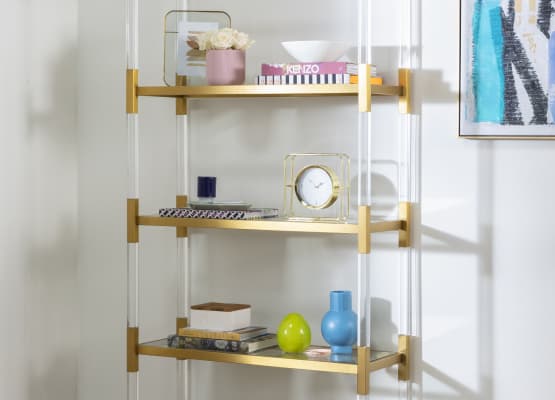
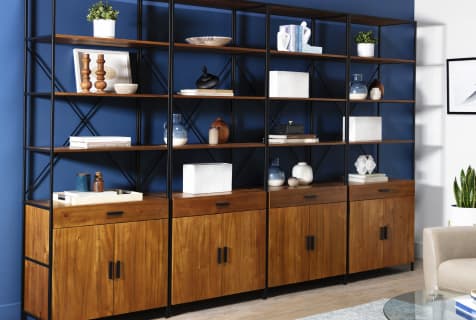
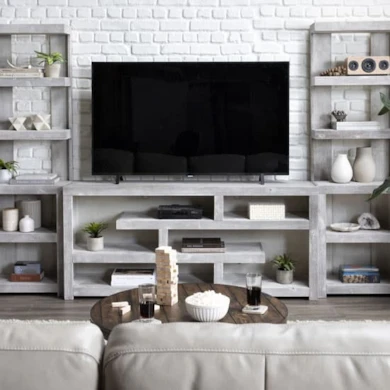
Your wall color shines and architectural elements glow behind an open-shelf bookcase, all while keeping beloved tomes and references within reach. Choose between rustic ladder options with gradient shelf sizes or a standard rectangle for a more uniform piece.




7. A Credenza Catch-All
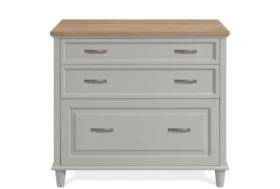
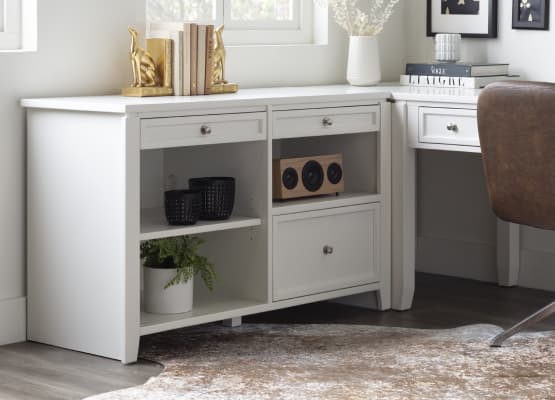
A credenza can expand storage with work surface and drawer space; because they are freestanding, most can be placed on either side of your main desk or stand alone against a wall. Many also come with cord access in the back – because nowadays, who doesn't need more tech organization?
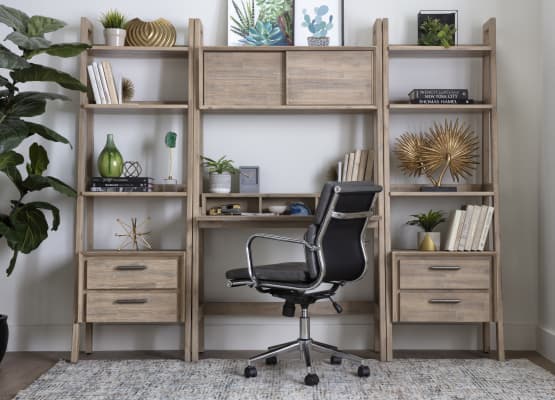
8. Work With a Wall Desk System
Utilize more space by going vertical. Wall desks with hutches and side shelves can span up the wall, making them great for rooms with tiny square footage. Use the open wall space directly above the desk area to mount cork boards, a whiteboard, or calendars.


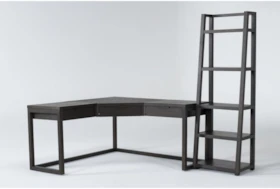

9. Versatile Setup With Desks With Shelves
Multi-piece sets can be configured based on your organizational needs and the size of your space. Assemble the units side by side or configure them separately around the room (or multiple rooms) as the needs of your home office grow and change, and add decorative task lighting for a personal and functional touch — and to complete the productivity space!
— More Great Articles —
Home Office Organization Ideas
Read the Latest


Editorial Disclaimer: Articles featuring tips and advice are intended for educational purposes and only as general recommendations. Always practice personal discretion when using and caring for furniture, decor and related items.