Guides
13 Alternative Lighting Ideas
Tired of traditional lighting? Try brightening up your space with one of these alternative lighting options. Along with illumination, they offer an aesthetically pleasing feel that can take your home to the next level.
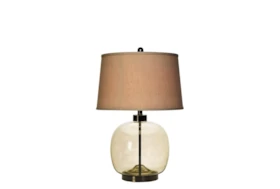
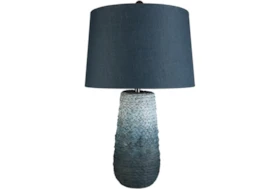
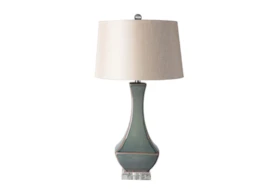
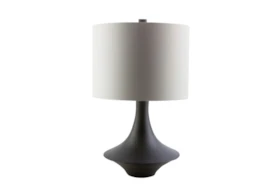
1. Table Lamps
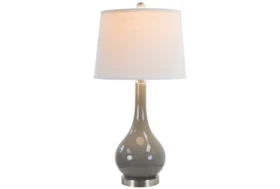
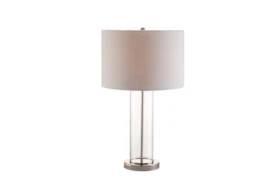
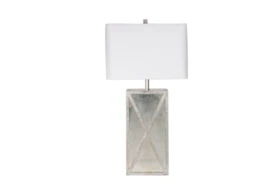
Do you need a unique decoration and extra light for your table? Kill two birds with one stone by getting a table lamp. These lamps come in all shapes and sizes, so you'll have no trouble finding one that meets your expectations.

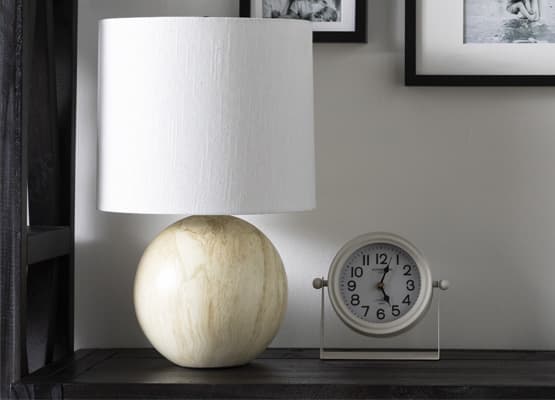
2. Buffet Lamps
As the name suggests, buffet lamps are lighting options that can be placed on top of buffets, or sideboards. They can also rest on dressers, chests and sofa tables. They typically feature traditional white or beige lampshades and bring a hint of elegance to any room.
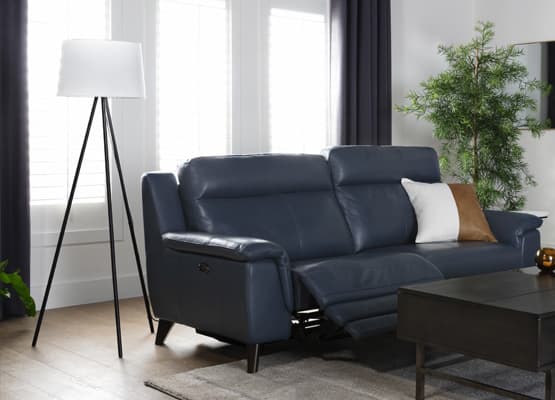
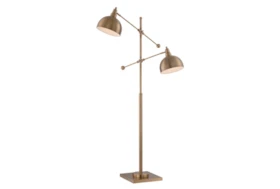
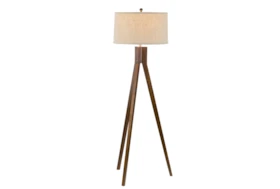
3. Floor Lamps
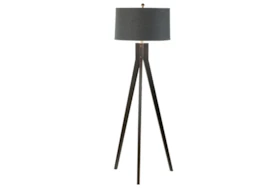
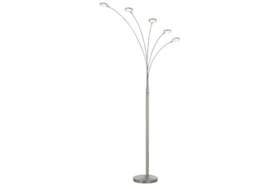
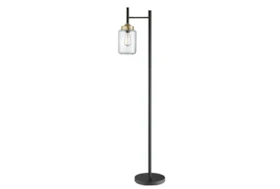
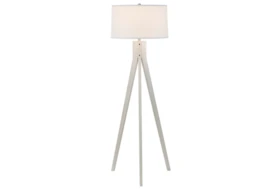
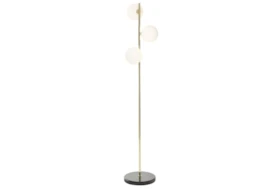
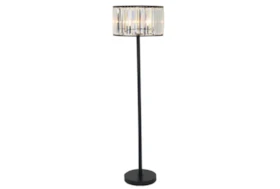
Floor lamps are individual, standing lamps that can be positioned anywhere on your floor (provided there's easy access to a socket). You can choose between a variety of lampshades and bases, from bright pastels to ornate designs.





4. Sconces
Sconces are a great lighting choice if you're trying to save space. They're installed directly into a wall and are available in a variety of colors, sizes and designs. Traditionalists and risk-takers alike can find a sconce that fits well in their home.
5. Mirrors
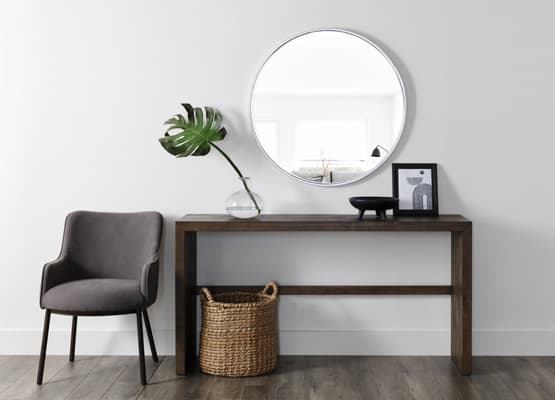
If you enjoy natural light, but your windows aren't letting in enough, try setting up mirrors in your room. As sunlight beams through the windows, it will bounce off the glass and amplify the natural light in the area.
6. Desk Lamps
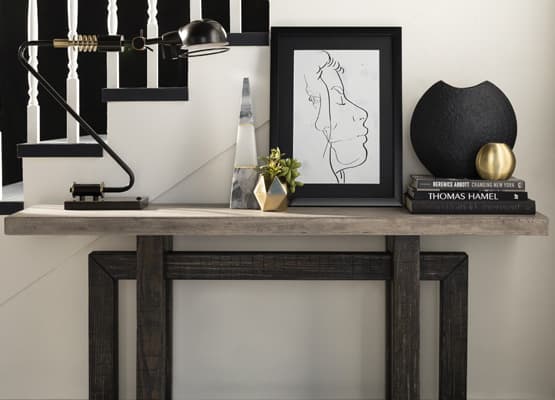
Wondering how to decorate your empty desk? Consider investing in a desk lamp. Not only do these lamps look professional, but they're also functional. A little extra illumination can help with many tasks, including reading textbooks, writing essays and finishing projects.
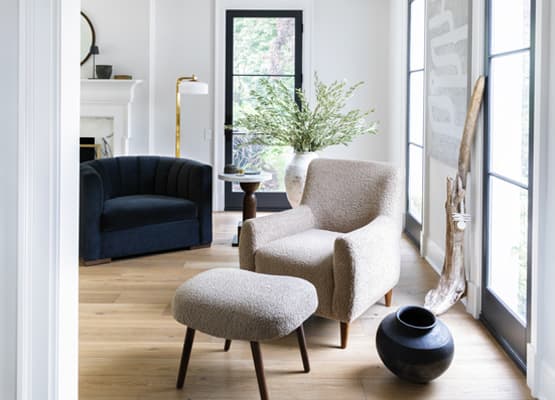
7. Natural Light
If you're in need of light but don't want to increase your energy costs, then natural light may be what you're looking for. You don't have to worry about buying lamps or bulbs – just let sunlight stream in through the windows. (Of course, it goes without saying you can only enjoy this during the day!)
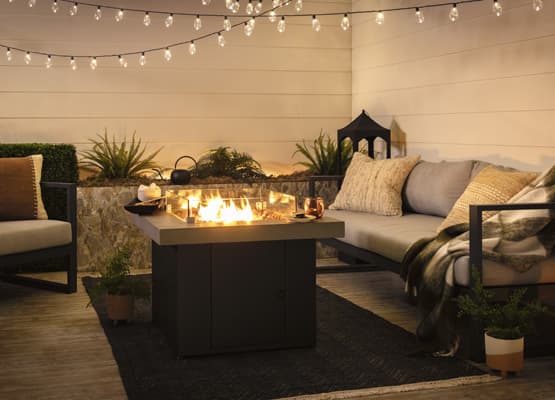
8. String Lights
Looking for a simple, affordable and unique lighting option? String lights fit the bill. Consisting of tiny lights spaced along a wire, these lights are the perfect indoor or outdoor decoration. Common options include white, multicolored and even flashing lights.





9. Lanterns
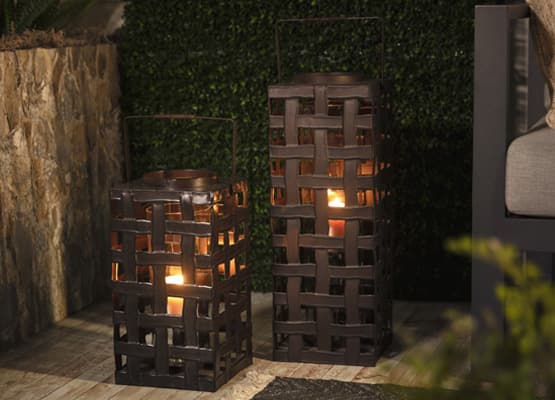
Go back in time by lighting your home with old-school lanterns. Not only are lanterns portable, but many ar also battery-powered. They're highly effective in power outages and can be relocated to any room that needs light.
10. Candles
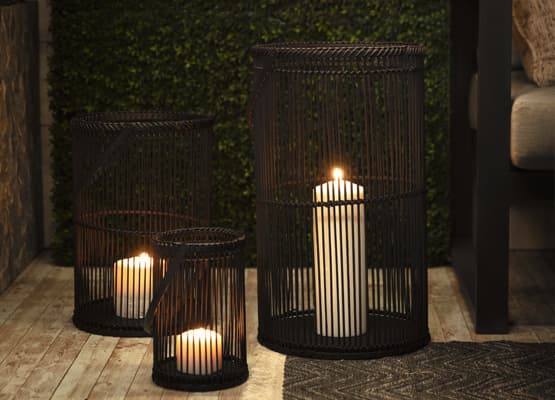
Nothing sets the mood like a good old candle. Along with light, candles offer an enticing aroma and allow you to choose between a variety of scents, from common spices and sweet treats to flowery perfumes and seasonal specials.
11. Chandeliers
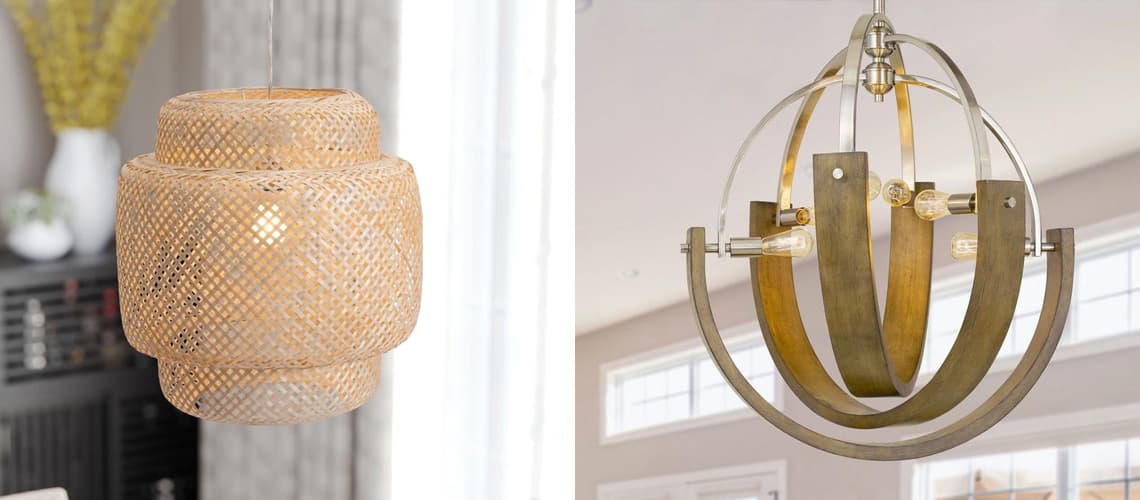
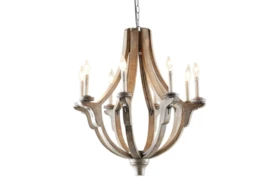
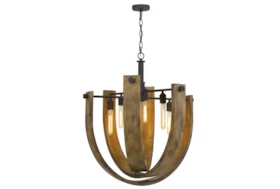
When it comes to elegant lighting options, you can't get fancier than a chandelier. Mounted directly to ceilings or walls, these ornate light fixtures typically use incandescent light bulbs to create a tasteful atmosphere.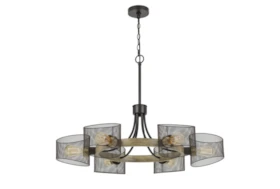



12. Pendants
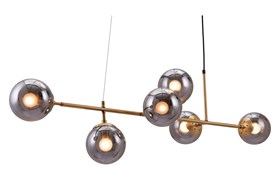
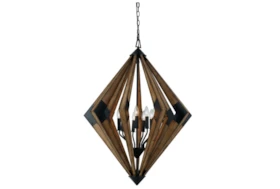
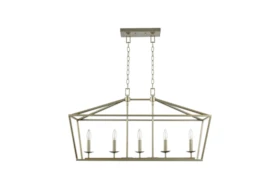
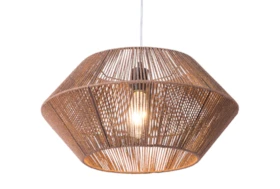
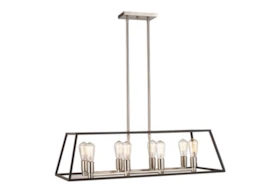
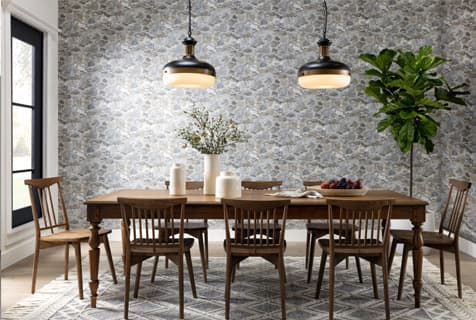
Pendant lighting consists of lamps that hang down from your ceiling. They're more unique than traditional lamps and fit perfectly into living rooms, dining spaces and kitchens. Best of all, you can customize these lamps to meet your precise style needs.
13. LED Lights
Lighting candles is a great way to save energy, but it isn't always practical. To conserve energy, experiment with LED lights. In addition to being energy-efficient, they work at a low voltage, which reduces the risk of fire.






— More Great Articles —
Alternative Lighting
Read the Latest


Editorial Disclaimer: Articles featuring tips and advice are intended for educational purposes and only as general recommendations. Always practice personal discretion when using and caring for furniture, decor and related items.