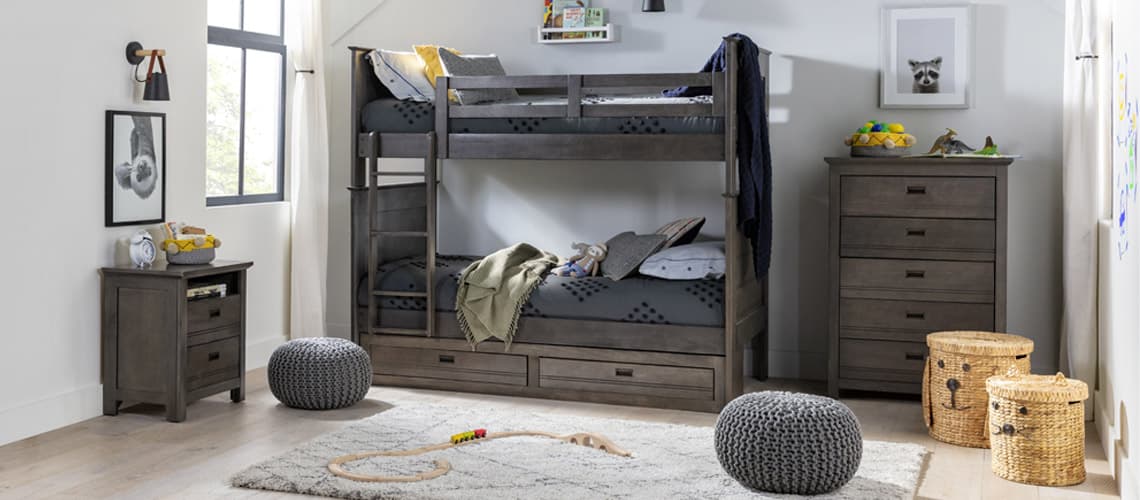
Best Bunk Bed Mattresses + Buying Guide
The Best Bunk Bed Mattresses
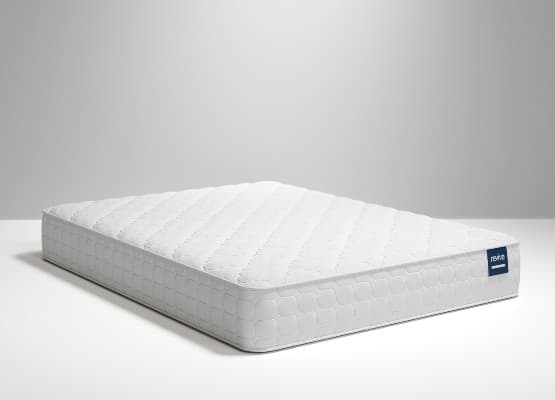
Verified Customer Review: "I purchased this mattress for my granddaughter's bunk bed. I recently purchased a mattress for myself and was very pleased with the comfort, quality and price, which is why I decided to purchase another one for my granddaughter. I would definitely recommend this mattress." - Veronica P
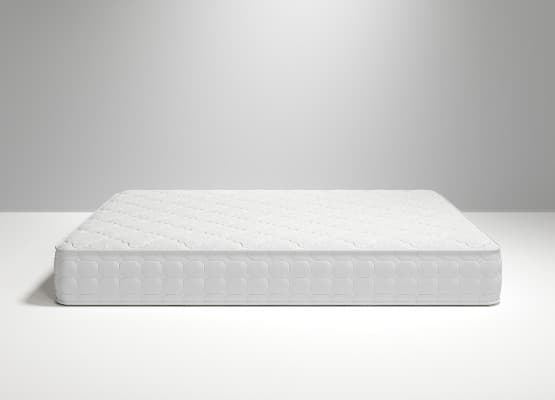
Size: 60"W x 80"D x 7"H
Verified Customer Review: "Soft, comfortable and slept like a baby; would definitely recommend" - George 129
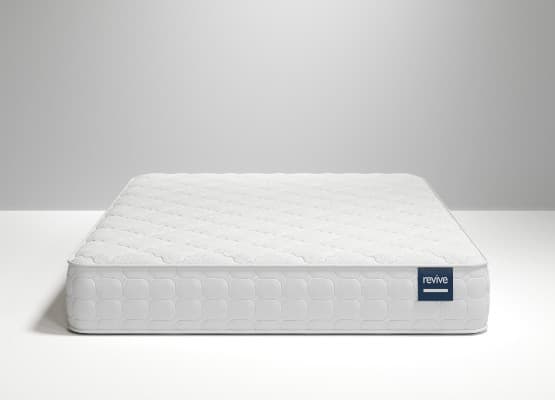
Verified Customer Review: "Excellent Quality at a great price! Very satisfied with the comfort and rest this provides." - Anonymous
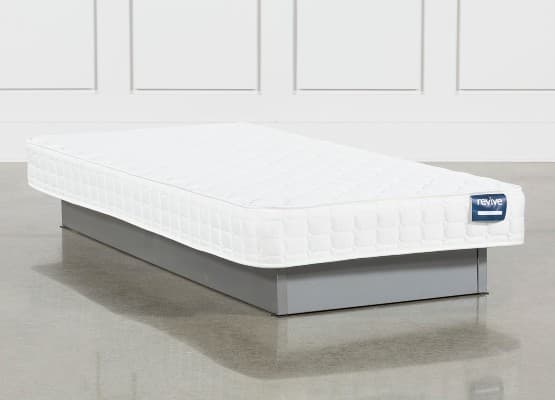
Size: 39"W x 80"D x 7"H
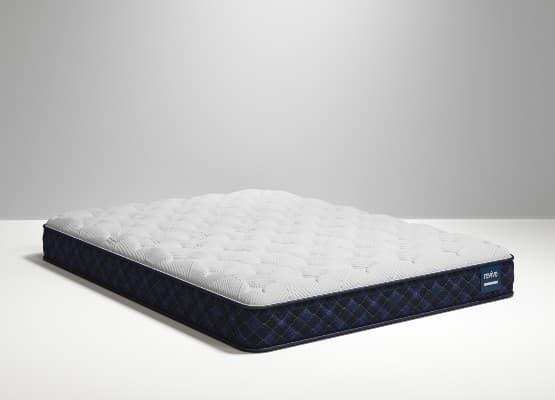
Size: 54"W x 75"D x 7"H

1. Consider Mattress Size
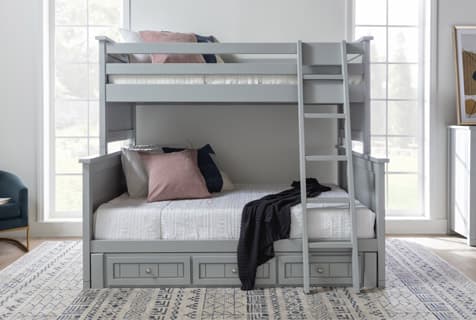
Common sizes for bunk bed mattresses include Full, Twin XL and Twin. Twin size mattresses for bunk beds are the same as non-bunk sizes: 38" x 75". (Add 5 inches to the length, and it becomes a Twin XL.) If you're using a bottom bunk for an adult or a taller child, you may want one that can accomodate a Full size, which runs 54" x 75".
2. Consider Mattress Height
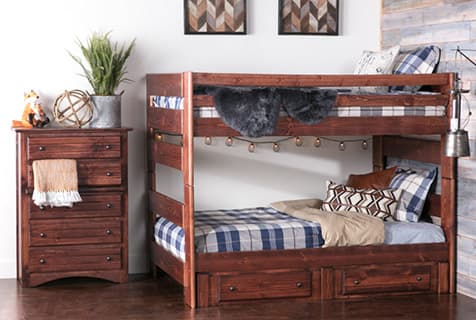
Because most standard quality Twin-sized mattresses are made with multiple layers of comfort foams and supportive springs, many are often too bulky for bunk beds; trying to fit a regular Twin mattress in a top or bottom bunk will leave little room for climbing in and out of bed and even topple over the guardrails, posing a serious safety risk.
While the recommended mattress height will vary depending on the bunk bed design, the general recommendation is that a bunk bed mattress should not exceed seven inches in height.
3. Consider Mattress Comfort & Support
While choosing a custom mattress thin enough to fit into a top or bottom bunk without adding too much height is essential, most custom thin bunk bed mattresses lack the support and comfort layers that growing children need.
To make sure that your new bunk bed mattress will provide the same quality designs of a regular Twin memory foam or innerspring mattress, pay attention to the mattress material and construction.
Because of the need to keep height down to seven inches, most bunk bed mattresses are made with either innerspring or foam – but not both. And while it is possible for an all-spring or -foam mattress to provide sufficient comfort for adults, most of the time it isn't enough to provide the pressure-relief and support needed for a growing child's bones.
For this reason, choosing a bunk bed mattress that's packed with both innersprings and comfort foams – without going over the seven-inch limit – is one of the best decisions you can make for your child's comfort, safety and health.
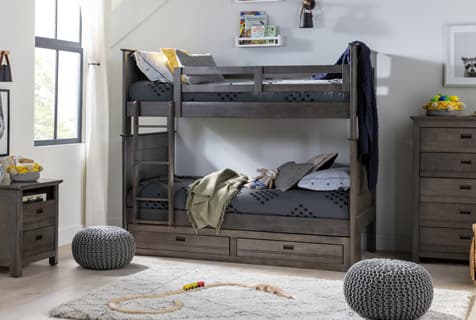
Featured Products

— More Great Articles —
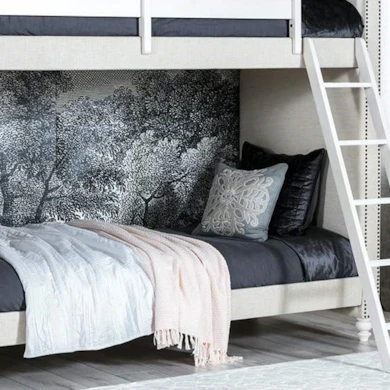
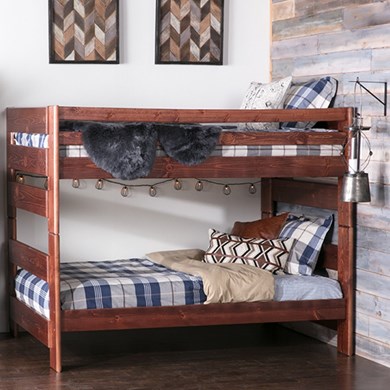
Explore Mattresses for Bunk Beds + More
Read the Latest

Editorial Disclaimer: Articles featuring tips and advice are intended for educational purposes and only as general recommendations. Always practice personal discretion when using and caring for furniture, decor and related items.