18 Easy Kids Room Ideas
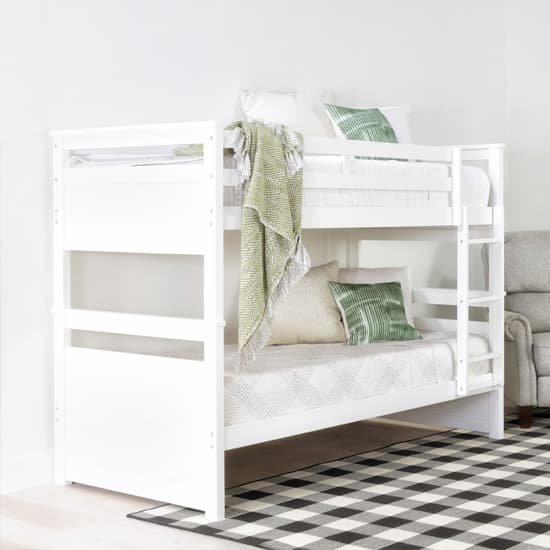
1 | Lay on the Throws
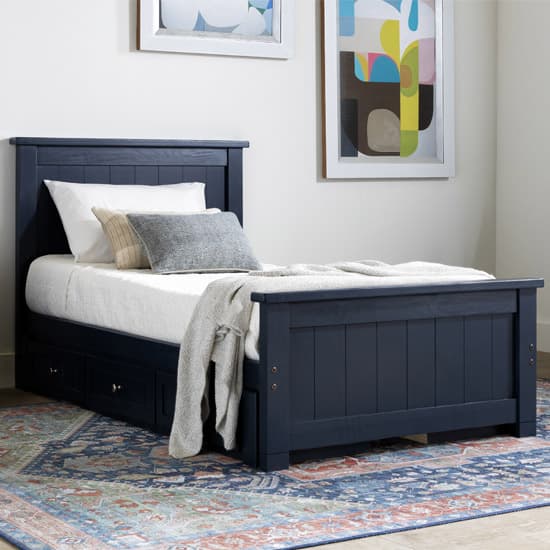
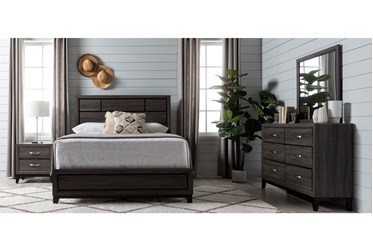
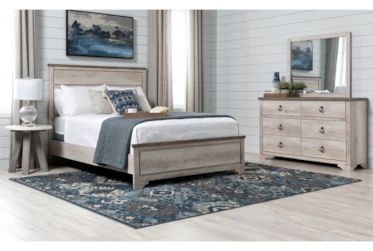
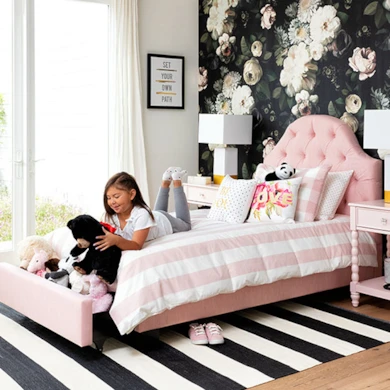
Nothing makes a bed look as cozy or colorful as a tasseled throw blanket and a few vibrant throw pillows. To prevent a busy palette, start with a clean canvas; keep the largest pieces in the room – like the bed, dresser and nightstand – a neutral monochrome, and layer the accents over a crisp white bedspread.
2 | Boost the Bureau
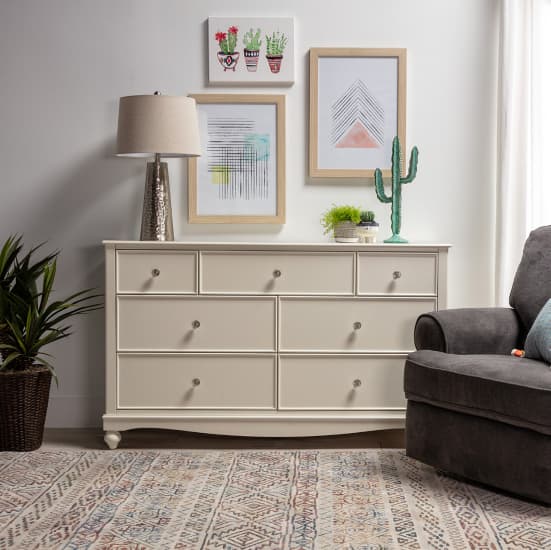
One of the easiest places to brighten up a room – and showcase your child’s most prized possessions – is the top of a bureau. When arranged on your child’s dresser or nightstand, a few fun knick knacks, books or toys prove that statement accent pieces aren’t just for adults.
3 | Show Off Their Style...
Your child’s room should be a reflection of who they are and what they love. Whether it’s through inspiring throw pillows or intergalactic wall art, instill a sense of wonder and adventure by opting for décor inspired by your child’s interests and imaginations.

4 | ...And Artwork
Set aside some wall space to show off your child’s inner van Gogh. Framing the pieces he or she is most proud of will boost your child’s confidence and encourage creativity. Highlight colorful paintings against a neutral wall, and contrast black-and-white sketches with bright décor.
5 | Play with Plants
Indoor palms, succulents and even fig trees don’t just refresh a dull corner; research shows that live plants in an enclosed space can kill floating toxins, purifying the air your child breathes. Whatever your preferred foliage, adding a little greenery will invite the beauty of life and health into your child’s bedroom.
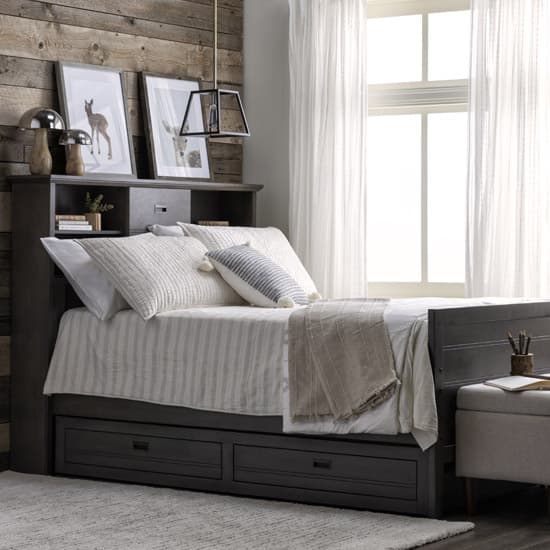
6 | Dress Up with Drapes
When styling a window with drapes, the lighter the better. Enhance a crisp, breezy design by opting for fabrics that breathe and colors that brighten. While framing your child’s windows with airy drapes is essential when it comes to cultivating a fresh, put-together style, remember, too, that drapes aren’t just for windows – and draping isn’t just for drapes. Dainty, paper-thin curtains hung from a canopy bed round out a feminine touch, while a sheer throw blanket strategically strewn over the arm of a chair or daybed adds textured comfort.

7 | Give Them (And Their Imaginations) Room to Grow
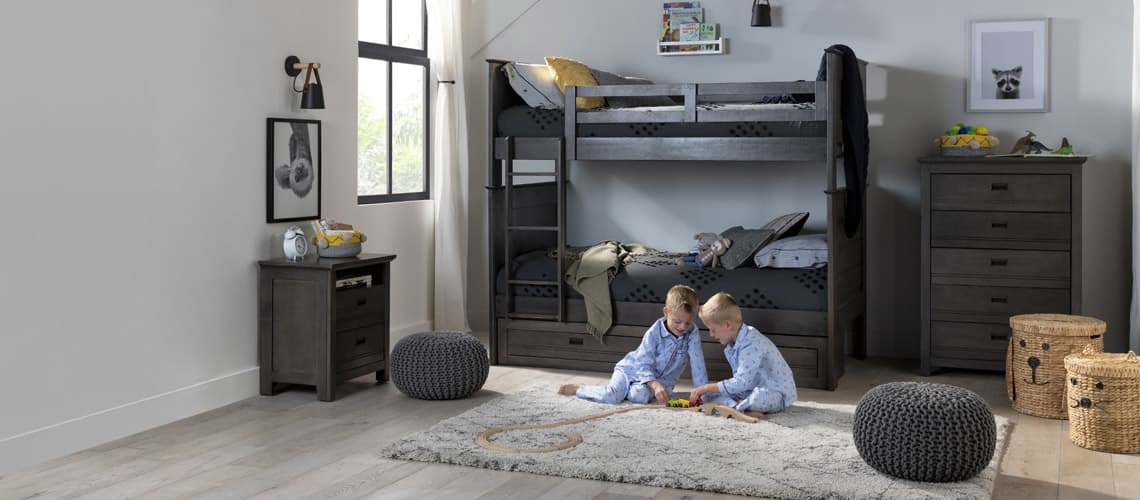
Create a relaxed, breezy vibe with a piece that does double-duty, like a bunk bed and storage ottoman, which helps to save room, stay tidy and create a fresh, ambient openness. And while maximizing the openness of a bedroom has practical value – think easier navigation, abundant play areas and more storage – providing enough space for your growing child to decompress and feel at ease can have a positive impact on his or her overall health.
The point? If you want an effortlessly uncomplicated way to get rid of clutter, broaden cramped quarters and promote wellness, invest in efficient, organizational furniture!
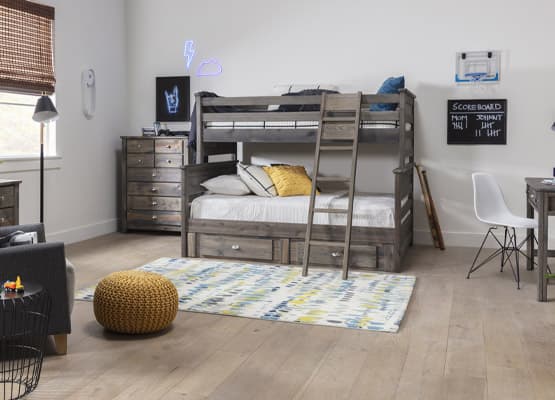
8 | Bunk Up
The more the merrier, especially when the furniture is comfortable and fun. For kids who may be uneasy about sharing a room, a bunk bed that lets them own their style can transform their room – and hearts.
9 | Contrast Colors
How is it that grey and white can “match” when they’re not even in the same color family? Through contrasting: one hue picks up on the other – and vice versa – to create color harmony.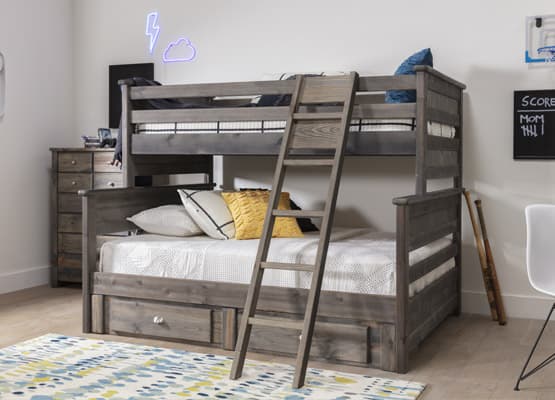
10 | Go Neutral
Neutral furniture is a friend to the toddler, grade-schooler, teen and young adult. Sometimes the simplest of choices – like picking a color for furniture – can have a dramatic impact on how your children see their room years down the road.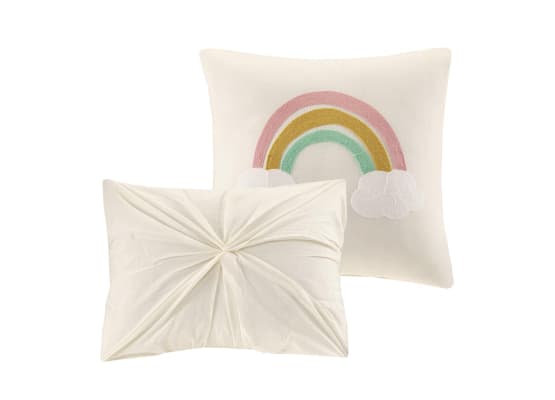
11| Get Girly
Gender associations like pink for girls and blue for boys aren’t always the best idea – but sometimes, they are. If your child has a natural affinity for all things pink, for instance, there’s nothing that can make her eyes and smile widen more than a bedroom decked out in the girly hue.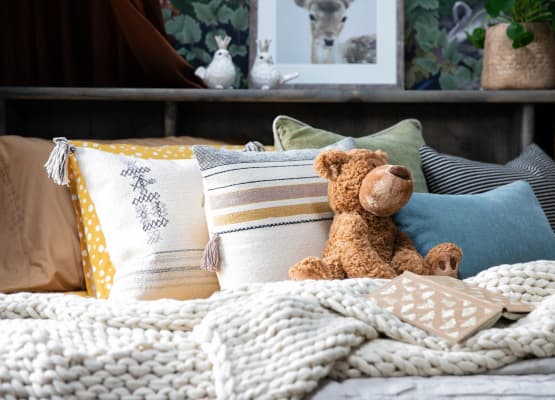
12 | Find Your Softie
Even the toughest of tomboys have an inner softie and may not be quite as ready to grow up as they think they are. Incorporate a plush toy you know they love, even if it’s hidden in a drawer or other hiding spot that only they know about!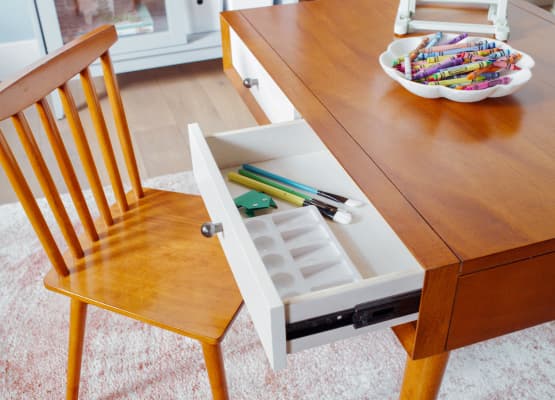
13 | Unleash Storage
Storage in different parts of the room (under the bed, in the nightstand, in the dresser) is an essential for anyone’s bedroom and especially children’s. From toys to games to books to clothes, being a child comes with an assortment of stuff looking to call a place home!
14 | Brighten the Bedding
If the furniture is the rock foundation, bedding is the flowers that add beauty to it. Since your child’s body will literally be tucked into it at night, choose bedding of images, colors and patterns that are relaxing and which they won’t grow tired of.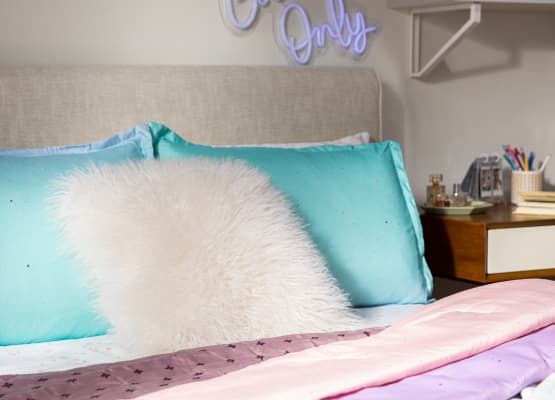
15 | Texturize Totally
When designing a space, color and shape aren’t the only aesthetic to think about: there’s also texture, which adds depth and dimension. Throw on a tasselled or fringed throw pillow to make clean, smooth sheets pop in a luxury kids room.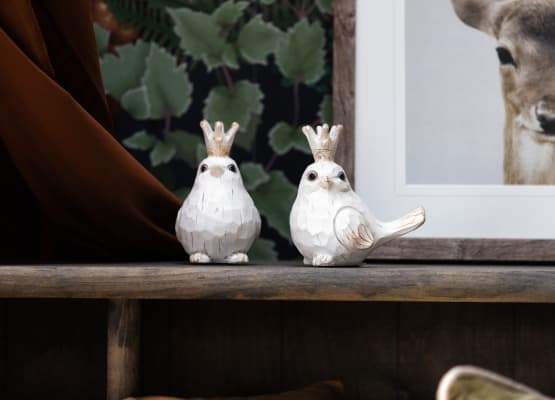
16 | Piece Arrangements
Little characters animate a room with imagination. Piece together three or four parts of a whole ensemble to tell a tale your child will love to make his or her own through new arrangements, placements and invented backstories for each character.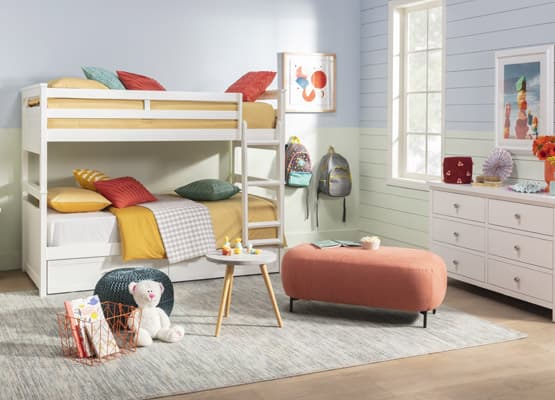
17 | Paint a Scene

18 | Rise Upwards

Featured Products







— More Great Articles —

Read the Latest
Editorial Disclaimer: Articles featuring tips and advice are intended for educational purposes and only as general recommendations. Always practice personal discretion when using and caring for furniture, decor and related items.