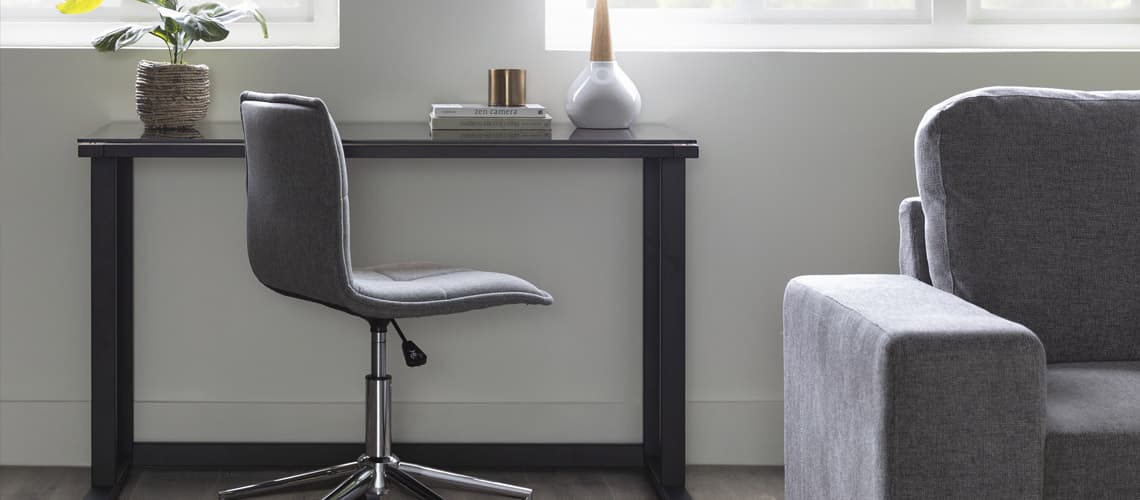
6 Tips for a Feng Shui Home Office

To create a Feng Shui home office space, focus on arranging your space to promote positive energy flow, or "chi." This involves positioning your desk in the "command position" facing the door, decluttering to maintain clarity, and incorporating natural elements like plants and light. By using calming colors and materials, you can create a harmonious environment that enhances productivity and reduces stress.
As more people work from home, creating a workspace that is both productive and peaceful has become a priority. You don't need a massive budget to transform your office into a balanced sanctuary. By applying a few principles of Feng Shui—the ancient Chinese art of arranging spaces in harmony with nature—you can improve the energy and feel of your home office, leading to better focus and well-being.
How to Create a Best Feng Shui Home Office
Follow these six tips to make your work area more harmonious, productive, and inspiring.
1. Position Your Desk for Command
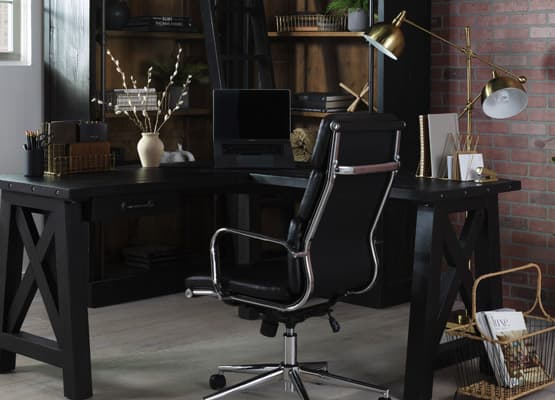
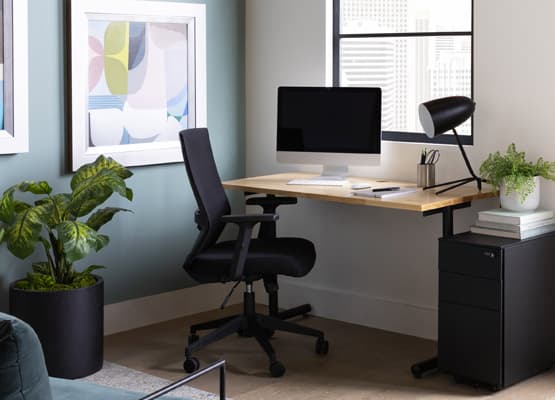
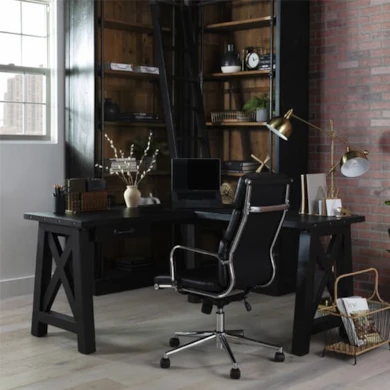
According to Feng Shui, the door is where energy enters a room. You should place your desk in the "command position," which means you can see the door while seated without being directly in line with it. This position puts you in control of your space, allowing you to absorb incoming energy and feel more secure and powerful. Avoid having your back to the door, as this can create feelings of vulnerability and anxiety. A solid wall behind your chair is ideal for support.
2. Choose Calming, Neutral Colors
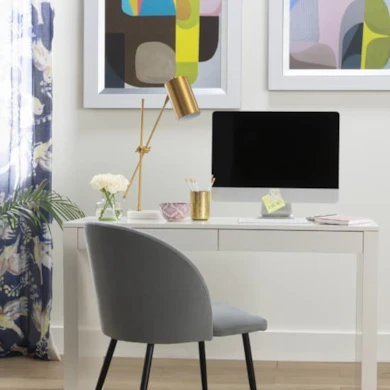
Feng shui colors have a significant impact on your mood and energy levels. For a home office, it's best to choose calm, neutral tones that promote focus and tranquility. Soft beiges, gentle grays, and earthy pastels are excellent choices. These colors create a soothing backdrop that isn't distracting. Avoid using aggressive or overly stimulating colors like bright red or orange, as they can provoke strong emotional responses and disrupt the peaceful atmosphere.
3. Let in Natural Light and Air
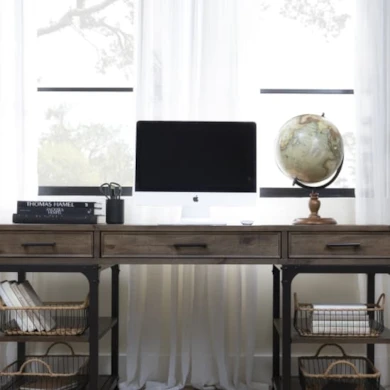
Natural light is a powerful source of positive energy. Whenever possible, set up your office in a room with plenty of windows to allow sunlight to stream in. Abundant natural light has been shown to increase productivity and improve mood. Good air circulation is also essential for maintaining a good flow of energy in your office. Open your windows regularly to let fresh air flow through the space, which helps prevent stagnant energy and keeps your mind clear.
4. Incorporate Live Plants
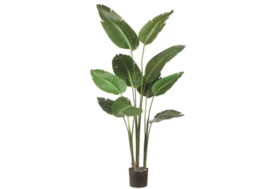
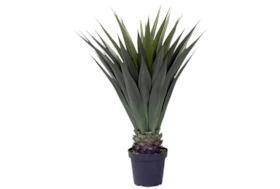
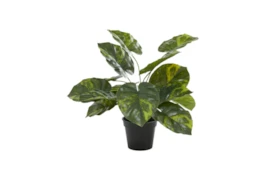
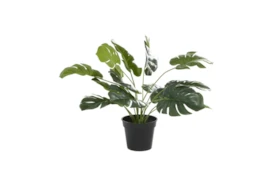
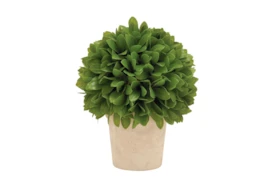
Live plants bring the vital energy of nature indoors. They purify the air, reduce stress, and add a touch of grace to your workspace. Good low-maintenance choices that are well-suited for an office environment include bamboo, Boston ferns, snake plants, and rubber trees. According to Feng Shui, plants help balance the electronic energy from computers and other devices while promoting growth and creativity.
5. Favor Natural Materials and Curved Shapes
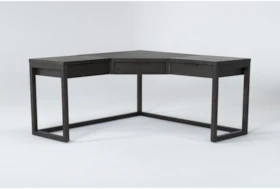
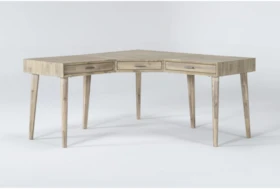
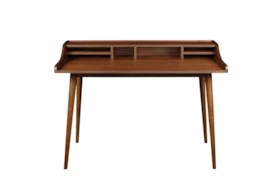
Feng Shui principles emphasizes the use of the five elements over synthetic ones. A solid wood desk, for example, has better energy than a metal or plastic one. Extend this principle to other furnishings, such as using a wool rug or linen window treatments.
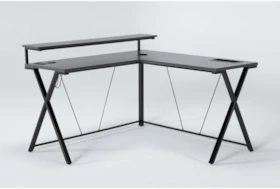
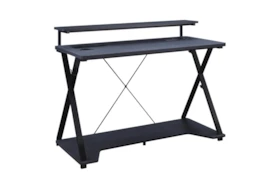
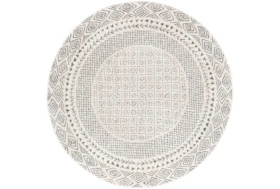
In addition to materials, shape plays an important role. Rounded, curved edges are preferred over sharp, angular lines, which can create "poison arrows" of harsh energy. Opt for a desk with curved edges, a circular area rug, or oval picture frames to promote a smoother, more gentle flow of chi throughout your office.
6. Declutter to Have Mental Clarity
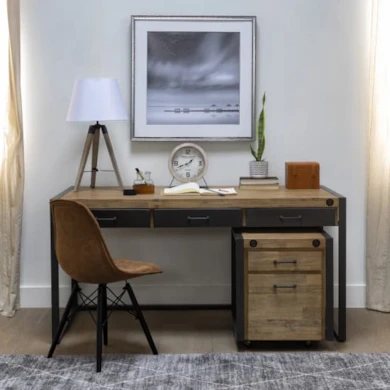
A cluttered workspace leads to a cluttered mind and blocks the flow of positive energy. Keep your office desk and the surrounding area as clutter-free as possible. A clean, organized environment promotes clarity, focus, and efficiency. Use smart storage solutions like file cabinets, drawer organizers, and shelving to keep papers, supplies, and other items neatly tucked away. Regularly clearing out what you no longer need ensures that energy can move freely, helping you feel less overwhelmed and more in control.
Work Life Balance
Frequently Asked Questions (FAQs)
What is Feng Shui?
Feng Shui, which translates to "wind-water," is an ancient Chinese practice focused on arranging objects and spaces to achieve harmony and balance with the natural world. The goal is to optimize the flow of "chi," or life force energy, to create environments that support health, happiness, and prosperity. At its core, Feng Shui is about creating a positive connection between people and their surroundings.
What is the best location for a home office according to Feng Shui?
The ideal location for a home office is a separate, dedicated room with a door you can close. This creates a clear boundary between your work life and personal life. If you don't have a spare room, choose a quiet corner of your home that is as far away from the bedroom as possible to avoid disrupting your rest.
What should I put on my desk for good Feng Shui?
Keep your desk organized and only display items that are inspiring or essential. Good items to include are a healthy live plant (like bamboo), a lamp to ensure good lighting, a family photo to represent support, and items that symbolize your career goals, such as an award or a meaningful object related to your field.
What should you avoid in a Feng Shui office?
Avoid sitting with your back to the door, as this can create a sense of vulnerability. Steer clear of sharp, angular furniture that directs negative energy. It's also important to avoid clutter, as it stagnates energy and creates mental fog. Finally, try not to work directly under an exposed overhead beam, which can create oppressive energy.
How can I improve Feng Shui if I can't move my desk?
If your desk must face a wall, hang a mirror that allows you to see the reflection of the door behind you. This helps mitigate the negative effects of not being in the command position. You can also place an inspiring piece of art or a vision board on the wall in front of you to promote creativity and forward-thinking energy.