Home Theater Ideas That Rival Going to The Movies

You don’t need a box office or a concession stand to enjoy a true theater experience. With a little creativity, you can design a home theater that brings the magic of the movies right into your living room or basement. Whether you're planning a dedicated home cinema or a functional media room that blends with your family room, the possibilities are endless.
From cozy sectional sofas to state-of-the-art surround sound systems, creating a comfortable and immersive home theater setup is all about thoughtful design. Ready to transform your space? Here are some top home theater ideas to inspire your next movie-watching experience.
Key Elements of a Great Home Theater

1. The Bold Media Center
Make your screen the focal point of your movie room. Anchor it with a wall-mounted or in-wall media center for a sleek, organized look.
- Wow Factor: Choose a large screen or high-quality projector with a built-in surround sound system. Complement it with stylish shelving for displaying movie posters, books, or decor.
- Functional Storage: Incorporate an ottoman or storage console to keep remotes, blankets, and accessories organized.

2. The Chic and Minimalist Home Theater
For a home theater setup that blends seamlessly into your living room or basement, go for a sleek, modern design.
- Clean Lines: Use a wall-mounted TV or projector screen paired with a low-profile soundbar for minimal clutter.
- Natural Light Control: Add blackout curtains or blinds to eliminate glare and create a theater-like atmosphere.
- Integrated Decor: Incorporate elements like sconces, soft lighting, and natural materials to keep the room stylish and functional.

3. The Cozy and Traditional Screening Room
If you have the space, a dedicated home theater room can replicate the classic cinema experience.
- Seating Options: Opt for rows of reclining theater seating or stadium seating with cup holders. Plush sofas or loungers make it perfect for family movie nights.
- Surround Sound System: Install an immersive speaker system with in-ceiling or wall-mounted surround speakers to elevate the audio experience.
- Soundproofing: Add acoustic panels or soundproofing materials to keep outside noise at bay.

4. The Multifunctional Media Room
For those who want a versatile space, a media room can double as a game room or family room.
- Multi-Purpose Furniture: A sectional with deep cushions can serve as both a lounge area and theater seating.
- Hidden Functionality: Use built-in storage or a smart TV that doubles as a digital art display when not in use.
- Entertainment Hub: Include a surround sound system, subwoofers, and a Sony home theatre setup for an all-in-one entertainment experience.
Simple Tips for Enhancing Your Home Theater
Home Theater Seating Works Best When Scale and Sightlines Come First
Home theater seating doesn’t need a dedicated theater room to work well. In smaller living rooms, compact seating with clean profiles often performs better than oversized theater recliners. Slimmer arms, upright backs, and thoughtful spacing help preserve walking paths while still delivering a comfortable viewing experience.
Choosing home theater seating should start with screen height and distance. Seating that keeps viewers at eye level with the center of the screen reduces neck strain and creates a more immersive experience—similar to how well-designed movie theaters optimize seat layout for viewing comfort.
Understanding Theater Seating Layouts Improves At‑Home Viewing Decisions
Movie theater seating charts are designed to balance viewing angle, sound distribution, and comfort. The best seats typically align near the center of the screen at a moderate distance—not too close, not too far.
Applying this logic at home helps guide furniture placement. Positioning primary seating where the screen fills your field of view without forcing upward or downward gazes creates a theater-like experience, even in a multipurpose living room.


Home Theater Ideas
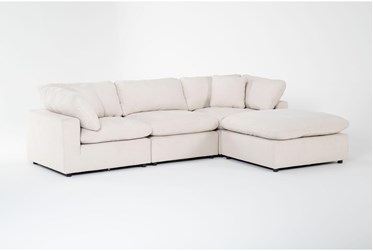

Zone Cream White Fabric 124" 4 Piece Modular L-Shaped Sectional with 2 Corners 1 Armless Chair & 43" Oversized Square Ottoman | Reversible
- bub|green_357981
- bub|brown_399550


Zone Green Fabric 4 Piece Modular L-Shaped Sectional with 2 Corners 1 Armless Chair & 43" Oversized Square Ottoman | Reversible
- bub|brown_399550
- bub|white_320081


Bonaterra II Sand Sofa W/Reversible Chaise
- bub|green_394837
- LS Exclusive
- bub|grey_395239
- bub|brown_394730


Bonaterra II Chocolate Sofa W/Reversible Chaise
- bub|beige_395314
- bub|grey_395239
- bub|green_394837
- More Colors


Sanders Cream Fabric 29" Manual Swivel Recliner
- More Colors
- bub|blue_379258
- bub|grey_379219


Zone Cream White Fabric 124" 3 Piece Modular Sofa | Loose Reversible Back
- bub|brown_399546
- bub|green_357980


Eero Grey Fabric 41" Power Oversized Theater Recliner With Cupholders & USB
- bub|beige_369865


Zone Cream White Fabric 124" 6 Piece Modular L-Shaped Sectional with 3 Corners 2 Armless Chairs & 43" Oversized Square Ottoman | Reversible
- bub|brown_399556
- bub|green_357983


Fenna Cream 37" Nursery Power Swivel Glider Recliner With USB
- bub|green_378252
- More Colors


Frequently Asked Questions (FAQs)
Do I need a dedicated home theater room?
Not necessarily! A home theater design can work in your living room, basement, or media room. Focus on key elements like a large screen, surround sound, and comfortable seating.
How do I control natural light in my living room home theater?
Blackout curtains or blinds are essential for reducing glare and creating a true theater experience.
What’s the most important part of a home theater setup?
Seating and sound. Invest in comfortable recliners or sofas and a surround sound system to enhance your viewing experience.
How can I add personality to my home movie theater?
Use decor like framed movie posters, sconces, and a stylish media console. You can also integrate a concession stand for that classic theater feel.