Everything You Need to Know About Loft Beds
What are lofted beds?
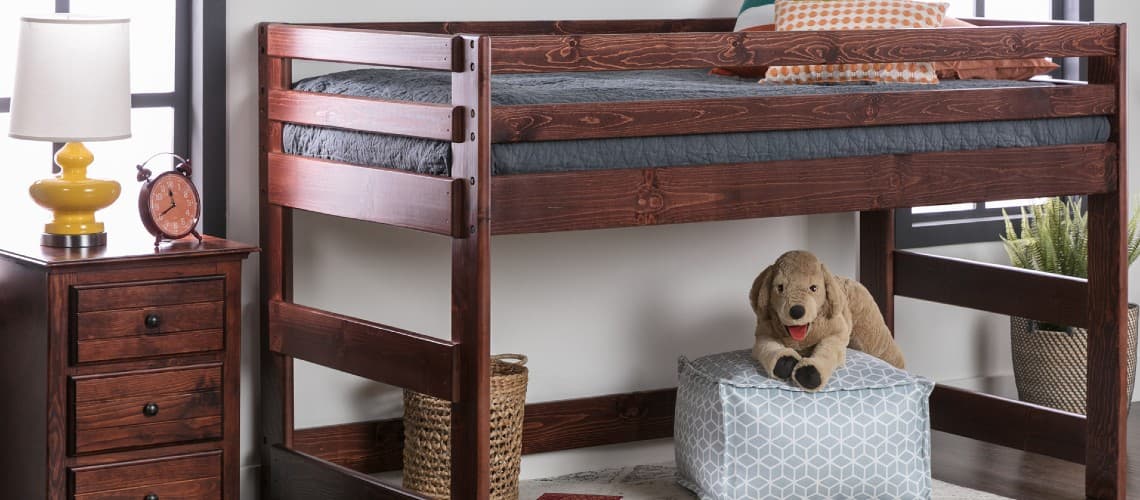
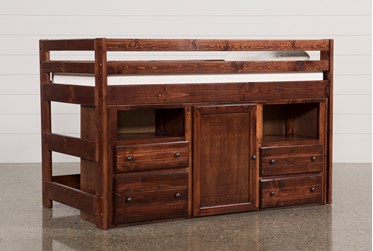
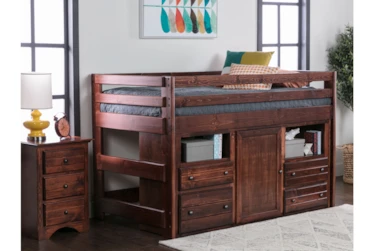
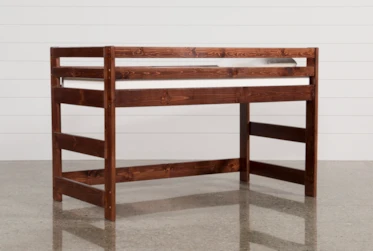
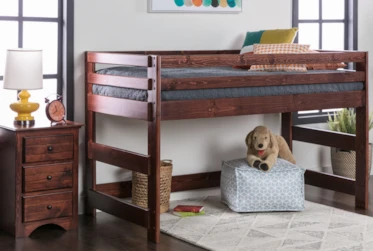
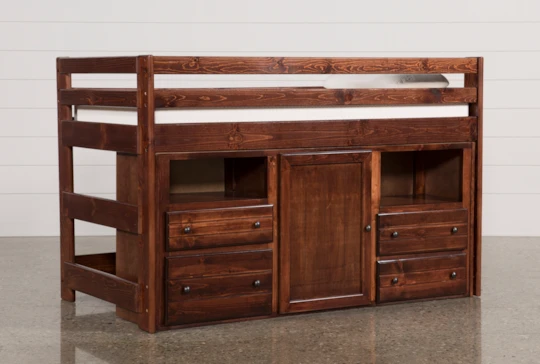
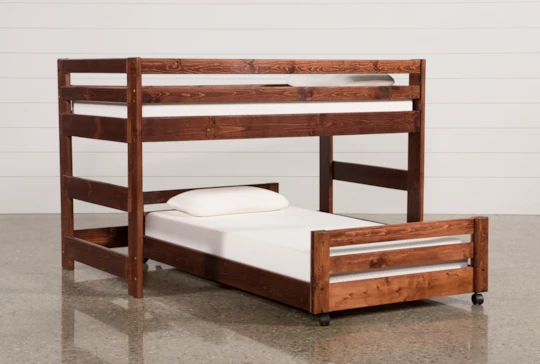
A lofted bed is a “bunk bed without the bottom bunk.” It is a bed that is “raised,” so that the space under the bed is open and available for multipurpose use.
What do you put under a lofted bed?
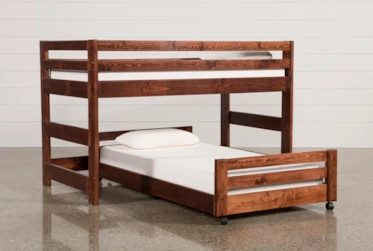
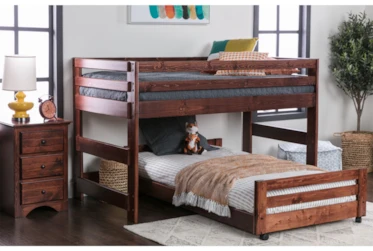
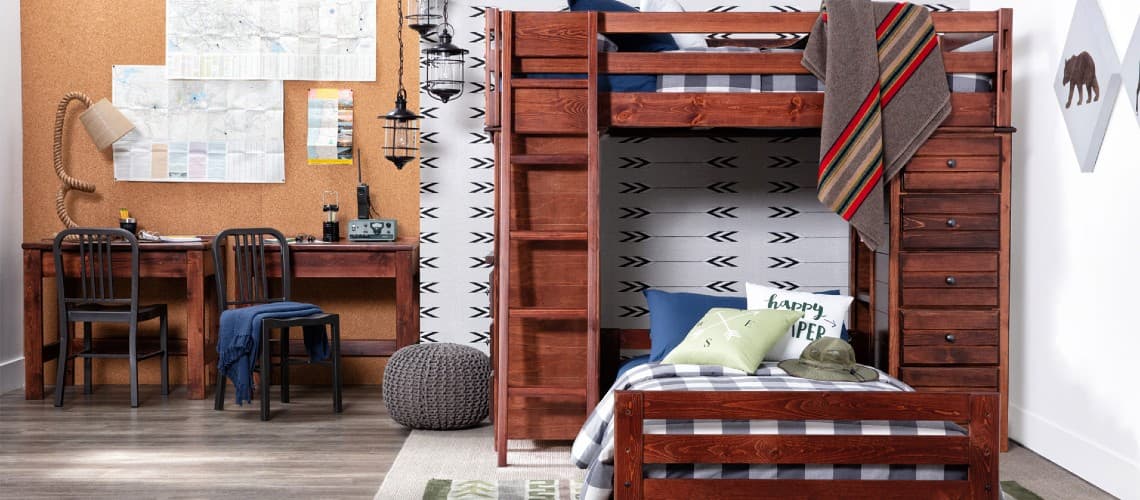
What you choose to place under a loft bed is up to you! Trends embrace using this space for an extra bed, a dresser/drawer chest, a desk and/or a reading chair.
What is a good age for a loft bed?
Loft beds are for children (over the age of six) and adults alike. There really is no such thing as “too old” to use a loft bed!
Are loft beds safe?
Loft beds are safe, with caveats: make sure to purchase one with a safety railing! Without a railing, loft beds can pose falling risks for both adults and children. Also, be wary of age: the general recommendation is that NO child under six should use a loft bed, but this restriction could be raised to seven or even eight, depending on your child’s development and maturity.
Are loft beds for adults?
Absolutely. In fact, in places where the cost of living is high and, as a result, small spaces are the norm, loft beds are a growing trend for saving space – and looking stylish while doing so.
How much does a loft bed cost?
The cost of a loft bed depends on a couple factors. Are you building the loft bed yourself, with materials you are purchasing? What kind of loft bed are you considering (with storage, without storage)? The simplest loft bed designs (loft bed DIYs or simple loft bed frames without storage) can range anywhere from $100 to $400.
Should I loft my bed in college?
Lofting a bed in a dorm is a great, popular way to save space. Doing so can allow the space under the bed to be repurposed for a desk – or storage.
— More Great Articles —

More Lofts to Love
Read the Latest

Editorial Disclaimer: Articles featuring tips and advice are intended for educational purposes and only as general recommendations. Always practice personal discretion when using and caring for furniture, decor and related items.