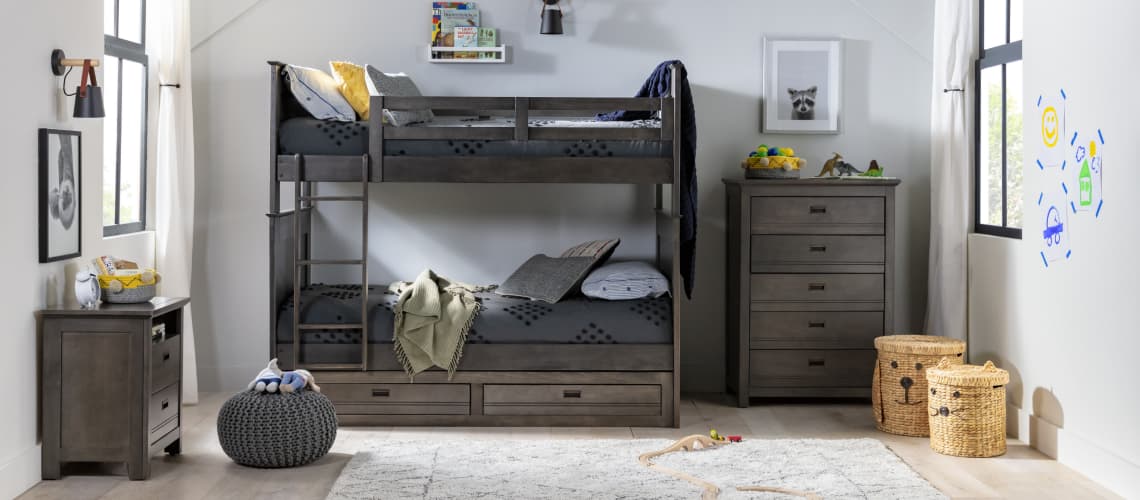
8 Boy & Girl Shared Room Ideas for Young Siblings
The innate desire for a room of one's own (an idea perhaps best encapsulated by Virginia Woolf) can start early on in childhood. But for many kids, sharing a bedroom is a reality of growing up. For some siblings, it can be easy — particularly when they're the same gender, near the same age and have similar hobbies. But what if there's a substantial age gap or a lack of common interests? Worse, what if a brother and sister have to bunk together?
Just because a room isn't a child's own doesn't mean it can't be a sanctuary, even if the child is sharing it with an 'obnoxious big brother' or 'annoying little sister.' Living in harmony starts with décor that appeals to both roommates. Here are some ideas to make a boy-girl shared room feel like home to both residents:
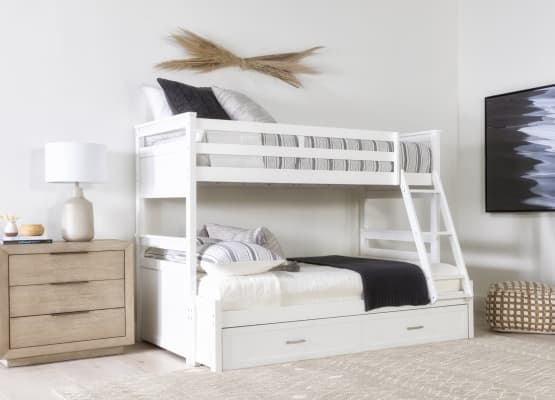
1. Bunk Beds
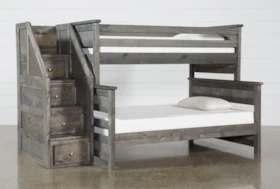
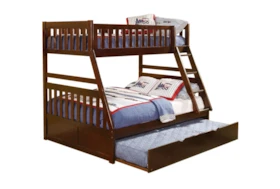
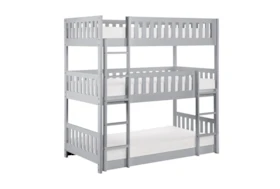
Bunk beds have a couple of distinct advantages. One, they offer a sense of privacy, as neither sleeper can look over and see the other. Two, they free up square footage in the bedroom, allowing both siblings ample floor space to store their most treasured items. An every-other-day or every-other-week system can end any "I want to be on top" squabbles.
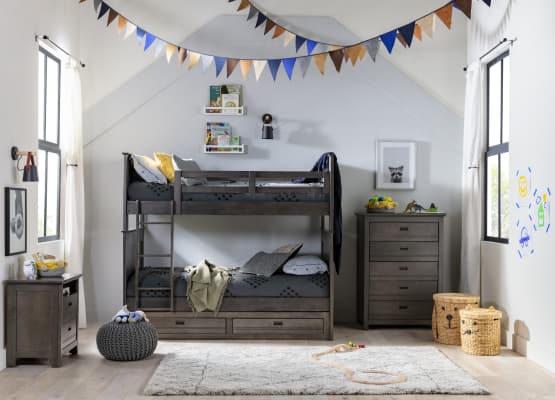
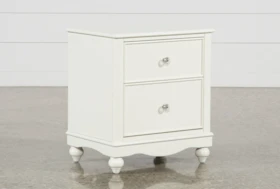
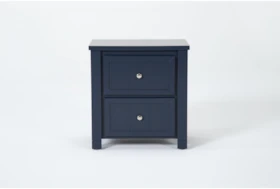
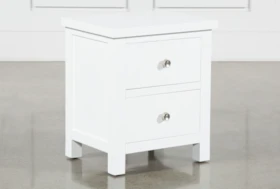
2. Neutral Color Furniture
As gender is being culturally redefined, blatantly boy or girl colors are becoming passé. So ditch the pink or blue furniture, opting instead for neutral colors such as grey. As a bonus, you won't have to worry about how any items purchased in the future might mesh (or clash) with the bedroom's existing décor.






3. Gender-Neutral Accents
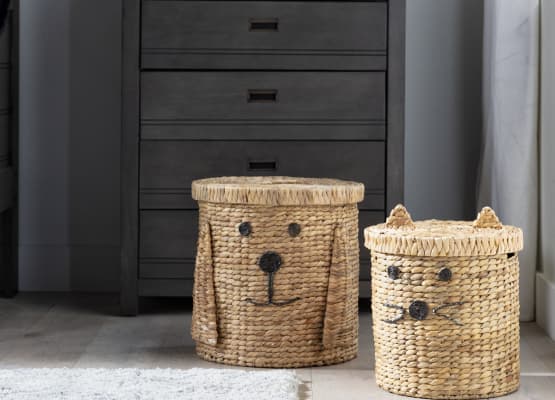
Like the furniture, the accents in the room are better off gender neutral. It not only prevents one or both siblings from feeling like the space isn't "theirs," but it also makes it easier to integrate new items as the children grow and develop new interests.
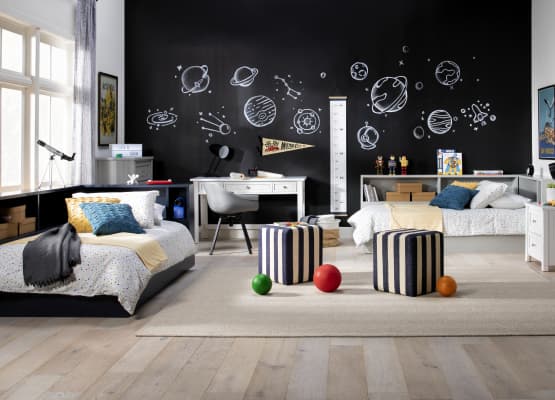
4. L-Shaped Bed Arrangement
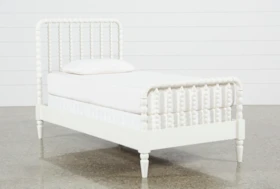
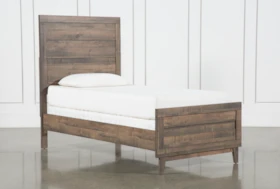
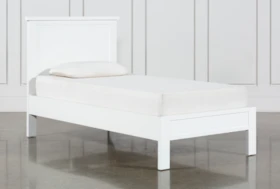
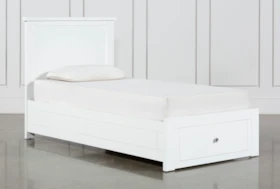
If your kids don't dig bunk beds or can't agree on top versus bottom, consider an L-shaped arrangement in which the beds sit against adjoining walls. This setup creates a more open appearance and provides more options for setting up other furniture.
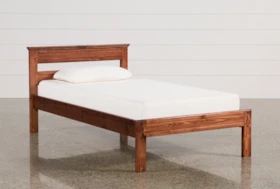
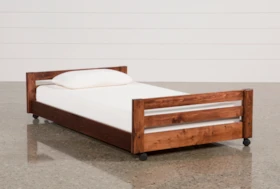
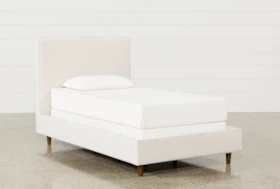



5. Shared Play Space
If the bedroom is big enough, consider designating a "play" area and a "sleep" area. The play area could include a toy chest and even a chair or small loveseat. This arrangement can help bring the kids together but also gives them space away from each other when needed.
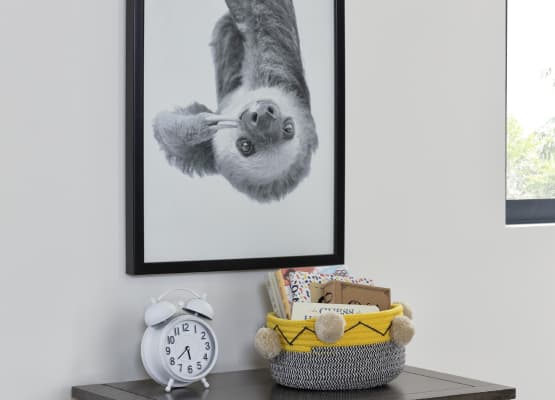
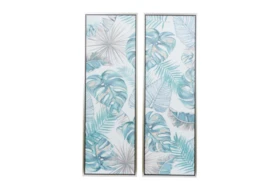
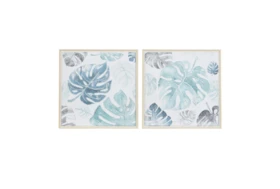
6. Joyful Wall Art
Without art on the walls, a room just feels institutional. Artwork sets the mood of the room, so try to find something upbeat, a piece or pieces that make both children smile or laugh.







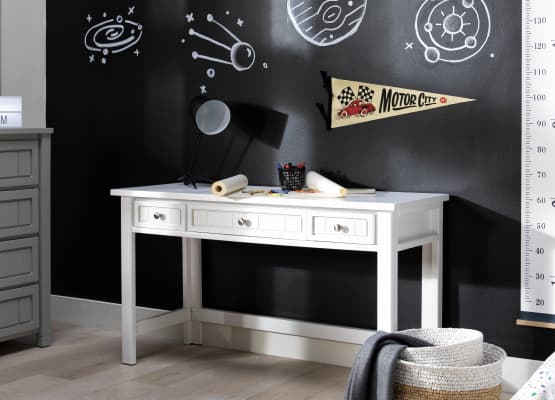
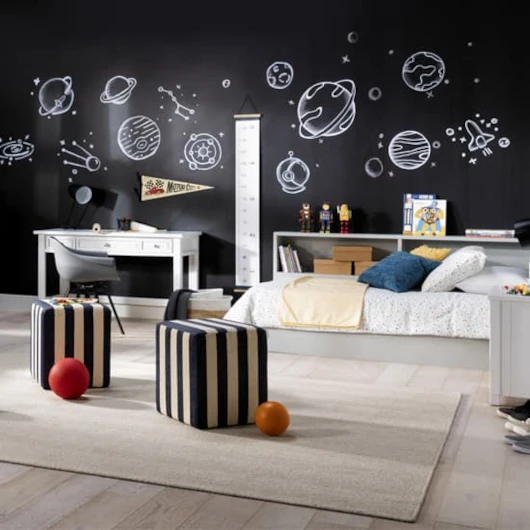
7. Chalkboard Wall
A chalkboard wall is an easy and inexpensive way for both children to engage their creativity, have fun and even bond. When they're not training to be the next Picasso, they can leave each other silly messages and jokes. You can even take it over from time to time, if you need to leave a reminder about homework or bedtime.
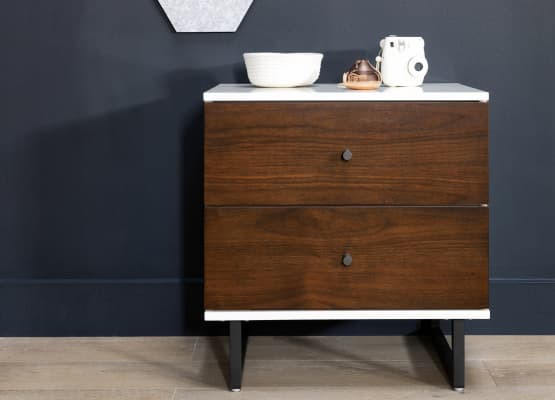
8. Extra Storage
When it comes to children's bedrooms, a good rule of thumb is to picture how much storage you think you'll need and then double it. Kids accumulate new items at a dizzying pace, and they're often loath to toss ones they no longer use. So make sure the room has plenty of extra storage.







— More Great Articles —
More Shared Room Ideas
Read the Latest


Editorial Disclaimer: Articles featuring tips and advice are intended for educational purposes and only as general recommendations. Always practice personal discretion when using and caring for furniture, decor and related items.