How to Clean Faux Leather Properly
Maintenance of Faux Leather Furnishings
Preventative cleaning to keep daily dirt from setting in and causing "wear" stains is a good idea. Before using any kind of cleansing agent or soap, check the manufacturer's care tag and try a test spot in a non-visible area first to ensure the fabric can handle your chosen cleaning method.
Prepare a spray bottle of cleaning solution ahead of time. You can use about two tablespoons of dish soap per gallon of water for this. The solution will keep for quite some time and you'll be ready in a pinch for those emergency spot-cleanings, as well.
Using the soft-bristle attachment on your vacuum cleaner, gently go over all surfaces, including under the cushions and in the folds and tufts. If you want to deodorize, sprinkle a light powdering of baking soda over the upholstery before vacuuming.
Then, using a soft, lint-free cloth and a mild solution of dish soap in lukewarm water, wipe down the upholstery. Go back over the fabric a second time using only water on the cloth. Use as little moisture as possible in the cloth and allow your furniture to dry completely before use. This will help remove the buildup of grime and dirt on the surface and prevent it from marring the finish.

A common staining problem with faux leather is dye transfer from clothing (denim and items dyed in indigo shades).

Over time, dye transfers can build up to noticeable issues. Keep a pack of baby wipes nearby to wipe the area down periodically to avoid dye transfer buildup.
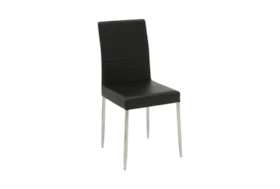


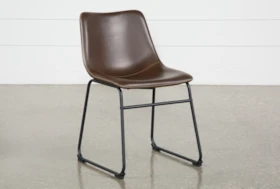


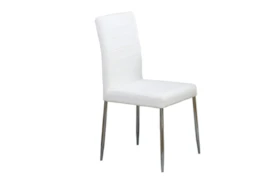


Stain Removal From Faux Leather
You can spot-clean your faux leather after simple spills and as needed with detergent and a soft cloth as outlined below.
First, remove the excess of any spills or soil with a clean, dry cloth or paper towel. Dab, don't rub, so as not to smear or grind in the debris.

Most spills and stains can easily be cleaned with just a wipe with a non-abrasive cloth soaked in lukewarm water, especially if you've gotten to the stain quickly. However, if the stain is set in, it is better to try water and dish soap.

Other options for stubborn stains like ink or dyes include a dab of rubbing alcohol on a cotton ball or straight white vinegar diluted with water.


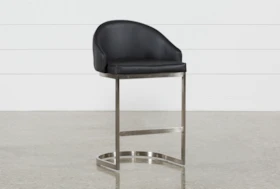



Use a soft, circular motion and as little moisture on the cloth as possible. With a clean cloth and plain water, do a rinsing wipe-down to remove any soap or cleansers.

Tip: Use white cloths for cleaning. This way, you can see the dirt transferring to the cloth, and use a fresh corner of the rag as needed. Allow the faux leather to air dry.
Things To Avoid

Do not use harsh cleansers or cleaning products with abrasives. These can dry out your faux leather and cause it to crack.
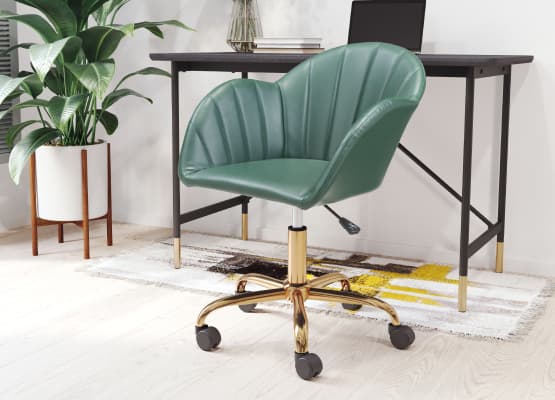
Likewise, do not use harsh bristle brushes or abrasive scrubbers on your upholstery. Avoid using too much "elbow grease." Remember, soft, circular motions will give the best results.
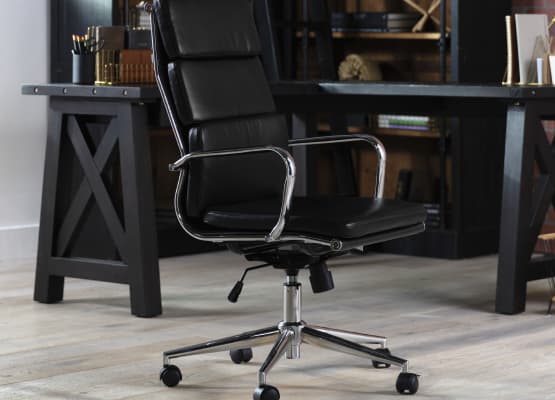
Bleach is also off limits for faux leather products. The damage it can do to the finish will most definitely overshadow the original stain.

Avoid leaving any cleaning solution to sit on the upholstery. Faux leather does best when you remove the soap with a fresh cloth slightly dampened with clean water and allow it to air dry.







— More Great Articles —




Easy-to-Clean Faux Leather
Read the Latest


Editorial Disclaimer: Articles featuring tips and advice are intended for educational purposes and only as general recommendations. Always practice personal discretion when using and caring for furniture, decor and related items.