How to Clean Artificial Plants
How Does Dirt Accumulate On Fake Plants?
Let’s face it: keeping real plants in the home can be a headache. There’s the whole regular watering, changing of the water and feeding it the right kind of soil – not to mention the meticulous research that goes into making sure you’re getting the right species for the lighting, environment and resources. While caring for a live plant is rewarding, the process is exhausting and is why many choose to opt for artificial instead. What many don’t realize is that going the artificial route has its own (albeit small) set of maintenance needs, all of which revolve around the problem of dust and dirt. Because the materials used in artificial plants are synthetic, they often act as a magnet for particles in the air; over time, the accumulation of dust (and other dirty stuff) can stain a fake plant and simply make it look gross. (One of the drawbacks of fake plants is that they’re not thrown out and replaced every few weeks. In other words, it can be easy for them to look and feel stale; skip ahead a few sections to read more about keeping a fresh look in lieu of rotation.) Of course, as with anything, knowing how something is makes it easier to tackle the problem. For fake plants, we recommend taking just a few minutes a week to bust your space of dust; even the most minimal effort can go a long way in maintaining cleanness.


How to Clean Fake Plants & Flowers
With just a little care, attention and love, your fake plants and flowers will look good as new in no time.
- For stains: A visible spot on your fake plant can feel disheartening, especially if it was expensive. Don’t despair, though, because spots (from dirt) can be easily removed from fake plants via vinegar! Try a spray bottle of a white vinegar and water solution, or dip a cloth into the solution (and wipe the stain by hand). Either way, allow a few minutes for the solution to set before wiping clean.
- For dust: Fake plants accumulate dust in the same way as bookcases (and any other countertops) do. If your fake plants are looking and feeling dusty, dust them the way you normally dust any other household item. An easy method is to swipe a feather duster a few times through the foliage to break up and pull the dust layers. If the dust is really settled in, it may be easier to wipe each leaf individually with a microfiber cloth. (While dry microfiber is a magnet for dust, lightly dampening a microfiber cloth with water will up the dust-busting power infinitely.)
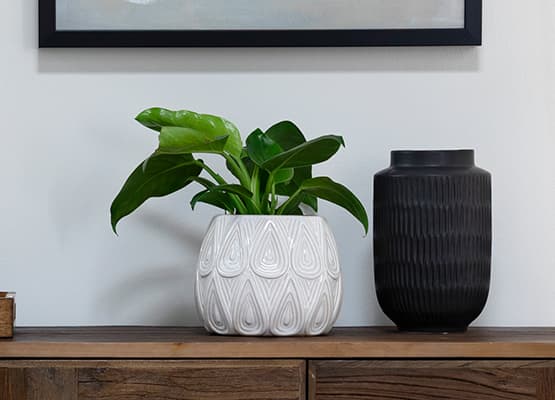

How to Clean Silk Flowers
Artificial plants differ in material, and knowing the material type of yours is important before cleaning. Most plant types are made of synthetics like polyester and nylon, but some others are made of silk. (Silk flowers are more expensive than other materials, since they’re made of natural silk as opposed to manufactured synthetics. You can also identify a silk plant by its feel; it won’t feel as rough or plastic-like as synthetics.) Most dyed silk plants can’t get wet, since the dye can run once it comes into contact with moisture. (If you’re unsure whether your silk plant is water-friendly, play it safe and clean with a dry towel or duster only.) This also means that the vinegar method above can’t apply to silk flowers; make sure you know the material before proceeding!
- To clean silk flowers without water: Try the salt technique! This is a common method for faux plants in general, and is especially handy for silk flowers, since it does not involve water. All you have to do is place the flowers in a bag large enough to cover them (and the stems) completely. Once your flowers are in the bag, pour in a cup of salt (or cornmeal). Grab the bag over the stems and shake up a storm – the grains will loosen up any dirt or dust attached to silk petals. Carefully take out each flower and gently remove by hand any clinging salt or cornmeal.
- Invest in a silk plant cleaner: If you’re dropping a lot of money on a silk plant, you’ll want to make sure you have the best possible cleaning solution for it. Many manufacturers make silk plant cleaners – bottled solutions designed to wick away dirt without penetrating the fibers of the silk. This is the best option that will ensure you won’t damage your plant and will keep it looking new for years on.
- Note that some silk flowers can get wet: The salt method is an easy fix, but unfortunately won’t do the job if you’re in need of a deep clean. If the silk is beyond the repair of salt, remember that some silk plants respond well to vinegar and water, especially if the plant does not contain any dyes. Just double-check the product labels or test a small area before proceeding with water.
How Often Should You Clean Fake Plants?
Fake plants are extremely easy to care for – which means there is care involved! Foliage, loose stems and delicate petals can be intimidating to clean (especially if they were expensive); the last thing you want to do is scratch the material or deepen a stain. As long as you follow the steps for cleaning outlined above, though, cleaning and caring for your faux plants is actually quite simple. To make it easy, repeat the steps outlined in this article as often as you clean the rest of your home; if you dust once a week, incorporate artificial plants into your routine. Once a week or even once a month is a good timeframe, but don’t worry too much about the time in between intervals.


About Cleaning Materials
The best cleaning materials are found right in your kitchen pantry. Whether you use them for faux plants or other household objects, here’s the breakdown of how each works.
Vinegar contains acetic acid, which gives it its strong taste and smell. Of all the vinegar types, white is the most acidic and most powerful cleaner. The acid contained within it can cut through just about any form of dirt and stain (and because it’s so potent, it’s often recommended to dilute it with water).
Hairspray is sometimes used as a cleaner for some surfaces (including faux plants). The way it works is via alcohol, hairspray’s main ingredient. Just as alcohol works in hand sanitizer, in hairspray it helps to dissolve dirt and some types can even kill germs. The only problem with hairspray? It’s sticky; using too much of it on a plant can make the plant look clumpy and even attract more dirt than it cleans away.
Salt is used for cleaning because of its abrasive properties. When a faux plant is collecting more dust than a microfiber cloth can handle, throwing salt in a bag (see method outlined above) can help. Salt is also absorbent, so if your worried about trapped moisture (which can lead to mildew in and around your plant), use the salt method, leaving the salt mixed with the plants a little longer than you normally would.
Finally, water is everything. Almost all cleaning problems can be solved with a little bit of water, from dusty surfaces to dirt spills to early stains. Water acts as a magnet for particles, lifting and picking up micro-particles and the more set-in particles that a dry towel cannot. When using water for cleaning plants, make sure you’re using cold water, which won’t push stains further into porous surfaces.
Adding Shine to Your Faux Plants and Flowers
When it comes to artificial plants, your first priority should be to keep them clean. After that, adding some shine won’t hurt and can even make them appear more real (less artificial). As mentioned above, some manufacturers sell cleaning solutions designed specifically for silk plants; many of these types of cleaners are also designed to add shine to the silk! They will come in the form of a spray, and a slight mist over the leaves is all you need to keep them looking fresh and dewy. If you’re more of the DIY type, try hairspray (yes, hairspray!), which naturally lifts stubborn particles and shines as it does so. (Just be wary of hairspray on silk plants – we recommend it for non-silk plants only.) Don’t overdo it with the hairspray, as a very light mist is all you need.
Pro tip: If there is an exceptionally big leaf or two that stands out in your faux tree, plant or flower, very (very) lightly rub it with olive oil, for instant shine that will catch light and make the entire plant feel refreshed and renewed.
Clean, Fake Plants
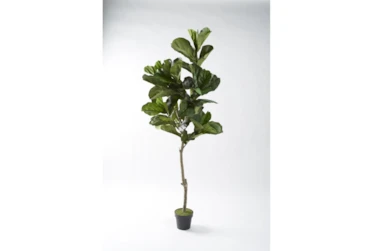
7' Fiddle Leaf Fig Tree In Black Plastic Pot
$195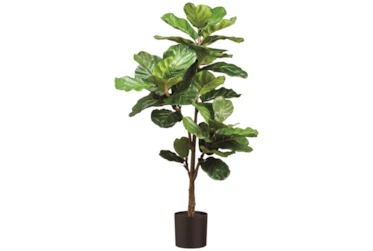
56" Artificial Fiddle Leaf Tree in Pot
$209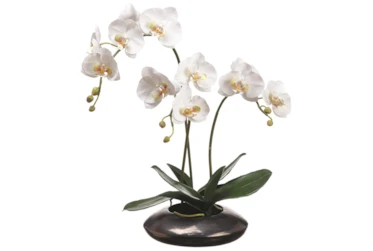
22" Artificial Orchid in Ceramic Pot
$139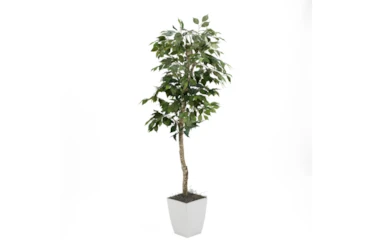
6' Green Ficus Tree In White Square Metal Planter
$175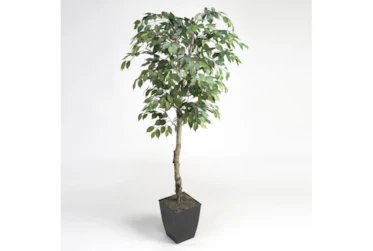
6' Ficus Tree In Black Square Metal Planter
$175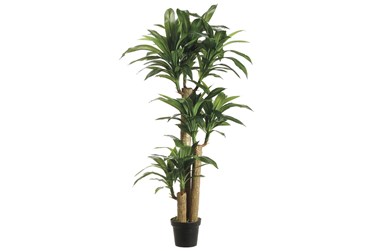
Plant-5 Foot Dracaena Tree
$185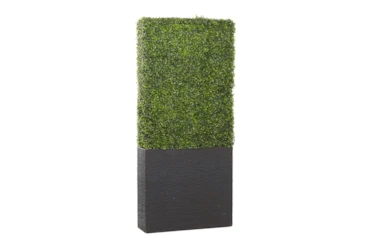

29X66 Green Artificial Boxwood Hedge
$495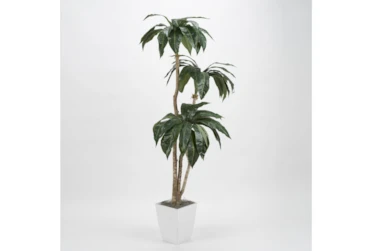
6' Birdnest Palm In White Square Metal Planter
$175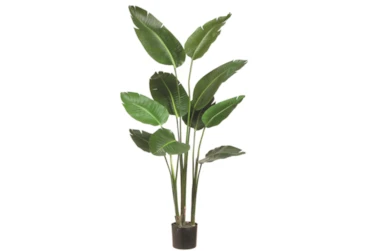
5' Artificial Bird Of Paradise Plant
$245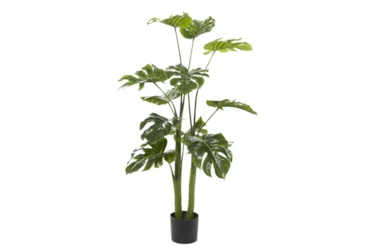
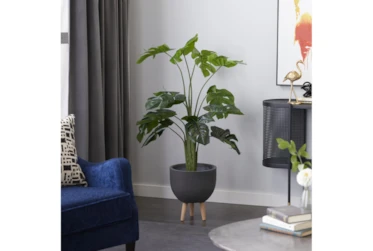
48" Artificial Monstera Tree
$130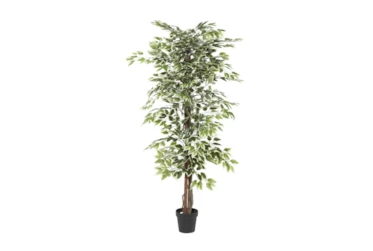

73 Inch Green Ficus Artificial Tree With Black Plastic Pot
$150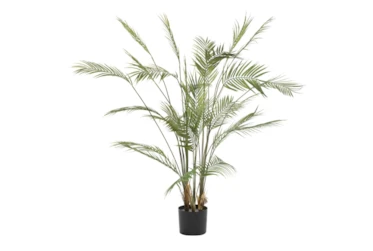

46" Artificial Palm Tree
$130
— More Great Articles —




Containers for Clean, Fake Plants
Read the Latest


Editorial Disclaimer: Articles featuring tips and advice are intended for educational purposes and only as general recommendations. Always practice personal discretion when using and caring for furniture, decor and related items.