How Tos
How to Clean an Ottoman
From kids to critters to clumsy guests, your furniture is bound to suffer a mishap or two — and your ottomans and poufs are especially prone, as they're prime locations for resting feet, sweating drinks, and the happily perching pet. Read on to find out ways to combat spills and stains on your ottoman.
1. Move Fast
Getting to spills and stains quickly is the key to preventing them from setting in. Dab up excess liquids, and dry brush or vacuum up loose debris with a light touch. If you have a storage ottoman, remove the lid and inspect the inside of the piece to ensure the interior, edges, and contents are good to go. If your ottoman has wooden supports or legs, check these, as well. A damp cloth and some furniture polish to these parts should do the trick, but don't get polish on the fabric covering.2. Know the Material
Before using any chemicals on your ottoman, be sure to know what covering or upholstery type was used in its construction. Also, flip the ottoman over and test any chemicals or solutions on a bit of upholstery that doesn't show. Here are common ottoman coverings and their commonly recommended cleaning methods:
- Cotton – Shampoo on a soft cloth
- Faux Fur – Sponge dampened with water or a baby wipe
- Microfiber – Diluted dish soap
- Leather – Saddle soap or 50/50 solution of vinegar and water
- Vinyl – A baking soda paste and soft brush
In all instances, be sure to soak up excess cleaning fluid from the fabric with a clean, dry cloth.

3. Care Tags
The bottom or interior of your ottoman may have material compositions and care instructions directly from the manufacturer. Sometimes, the cleaning suggestions are written out, and sometimes, the tags simply have codes. W means to use a gentle water-based cleanser. W-S means either water-based cleaners or solvent cleaners (those containing alcohol or acetone, for example). X means only vacuum or brush the material and avoid liquids altogether. S means to never use a water-based cleaner. Some poufs have removable, washable coverings; these should be washed according to the manufacturer's directions.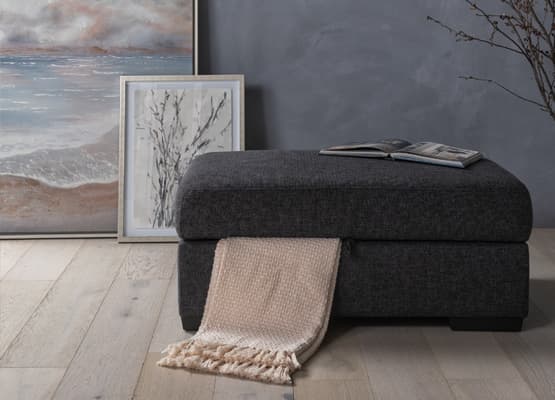

4. Let It Dry
Don't allow anyone (or any pet) to use the ottoman until it is all the way dry. Using the piece before it has a chance to dry will allow odors and possibly other stains to set in.




— More Great Articles —
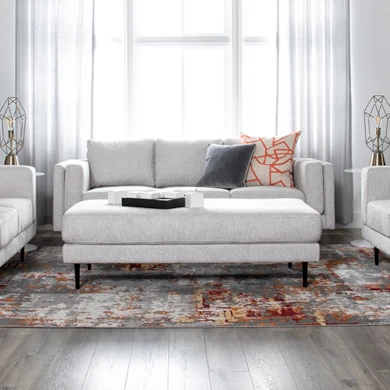
Easy-Clean Ottomans
Read the Latest


Editorial Disclaimer: Articles featuring tips and advice are intended for educational purposes and only as general recommendations. Always practice personal discretion when using and caring for furniture, decor and related items.