What Is Chenille? — Guide to the Soft Material
Where Is Chenille From?
Chenille yarn was developed centuries ago in France using a crafting technique called the leno method. First, the craftsman would take vertical (or warp) threads and twist them around horizontal (or weft) threads. Then, they'd cut the threads into strips, resulting in the caterpillar-like consistency of chenille yarn.
While chenille has been around for a while, it didn't become popularized until the 1830s, when a fabric mill worker named Alexander Buchanan turned the yarn into fabric. Transforming the yarn into cloth gave it newfound purposes -- chenille started being used for products like linens, shawls and rugs.
As chenille rose in popularity, artisans began to adjust the manufacturing process. One major change they made was incorporating low-melt nylon, which prevented chenille from melting during the creation process. They also steamed the yarn to reduce the risk of pieces coming loose.
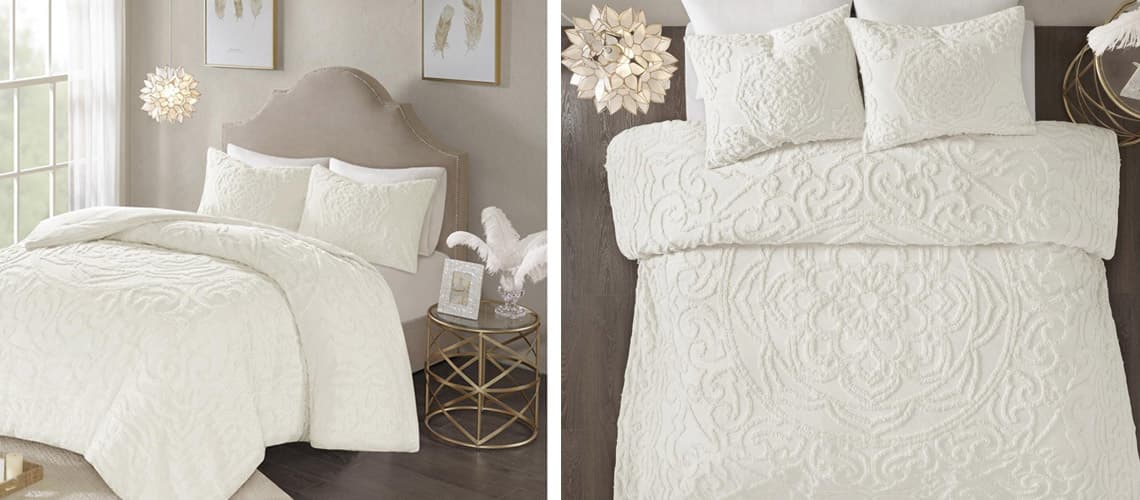
It wasn't until the late 1800s that chenille made its way to the United States, when an artisan named Catherine Evans had the idea to use the fabric to create quilts. The unique, fuzzy appearance of chenille bedspreads, coupled with their soft feel, made them extremely popular across the country. Now, you can find chenille carpets, blankets, throws and more.

What Can I Do With Chenille?
In the past, the only reason anyone would use chenille was to make basic household items like rugs. Now, this innovative, fuzzy thread is used for a variety of purposes. Here are a few of the things you can do with chenille:
- Clothes: The velvety look and cozy feel of chenille has made it rather popular in the clothing industry. You'll see this fabric used for everything from elegant dresses and blouses to comfortable robes and scarves.
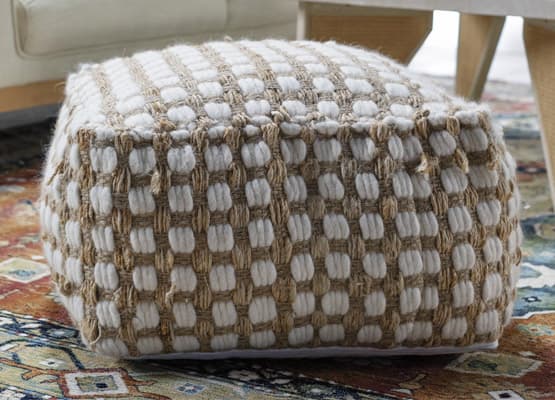
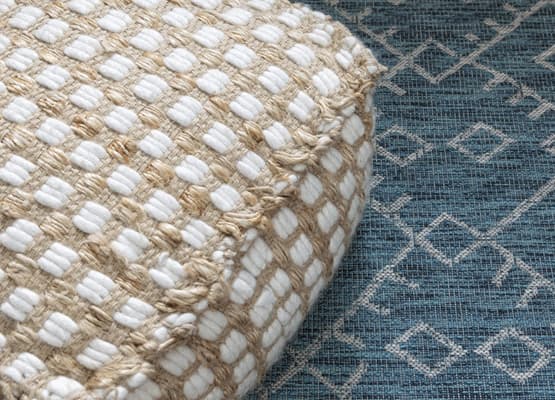
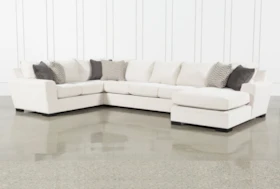
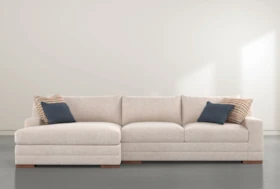
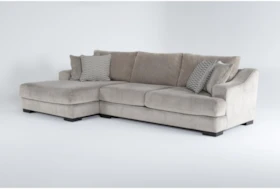
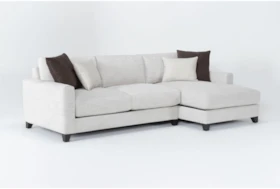
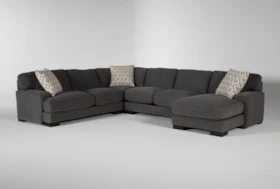
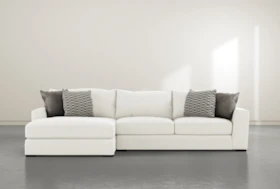
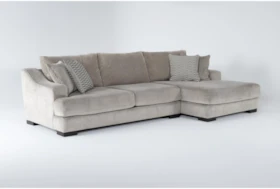
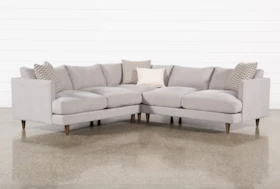
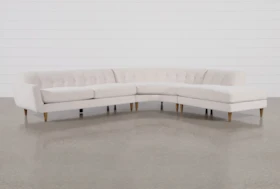
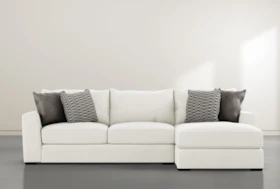
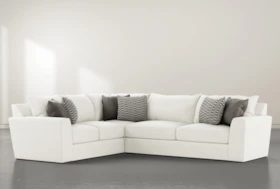
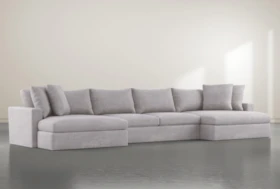
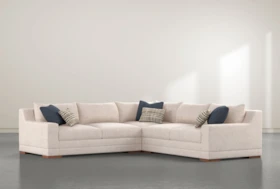
- Home decorations: Chenille is commonly found across the home decor industry. In addition to serving as rugs and carpets, you'll find chenille being used to make upholstery for furniture like couches, chairs and ottomans. It's also a great material for forging curtains and pillowcases.
- Blankets and shawls: What makes chenille unique is its versatility. The woven cloth can be used to create warm, comfortable blankets and throws, as well as light, draping shawls and curtains. It's also a popular material for creating window coverings.
From soft, plush carpets to thin, woven scarves, there's no shortage of uses for chenille. With such a vast range of functions, it's no surprise that this material thrives in both the fashion and home decor fields.
What Are The Benefits of Chenille?
Chenille wouldn't be such a popular fabric if it didn't offer some unique advantages. Here are a few of its main benefits:
- Durability: Chenille is highly durable, which means it can last for long periods of time. Of course, like with any fabric, it has its own special instructions. In general, it should be dry-cleaned to avoid shrinking and stretching.
- Soft feel: Chenille manages to maintain durability without being too hard. Its soft, comfortable feel is a big reason why people enjoy wearing the material or applying it to their furniture.
- Water absorbent: You don't have to worry about water damage when it comes to chenille. Not only is it water absorbent, but it's also resistant to abrasion and general damage.
- Heat retention: One of the biggest perks of chenille is its heat retention abilities. The material will keep you naturally warm, which is especially useful for sweaters and tops.
- Sheen: The way chenille is woven makes it easy to attract light. This creates a shiny, unique appearance that truly stands out (especially for furniture).
Whether you're looking for an innovative throw to spruce up your furniture or a comfortable new clothing item, chenille is a great fit.











— More Great Articles —

Chenille (+ Other Cozy Materials)
Read the Latest


Editorial Disclaimer: Articles featuring tips and advice are intended for educational purposes and only as general recommendations. Always practice personal discretion when using and caring for furniture, decor and related items.