What Is an Armoire?
Armoire Pronounciation
Armoire is pronounced as arm - waar.
The Evolution of the Armoire
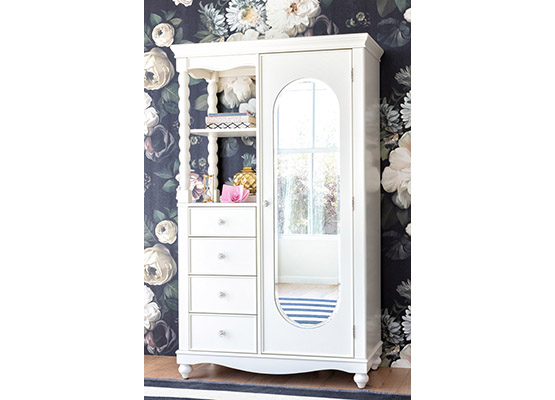
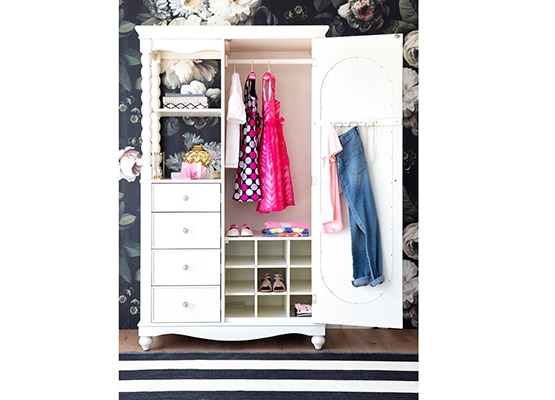
Of course, over the years, the main use of armoires changed from arms storage to clothing storage. More specifically, around the 17th century, nobles started storing their most extravagant clothes in their armoires instead of squishing them all into a chest.
In the middle of the 18th century, what can be looked at as an early version of today's armoire became popular. Designed by Thomas Affleck, it was a chest design that included sliding storage meant for folded clothes. At the time, it was known as a clothes press. But these days, you don't have to be royalty to see the benefits of an armoire. Whether you're storing sumptuous silk gowns or just a few nice work shirts, an ornate armoire should suit you.
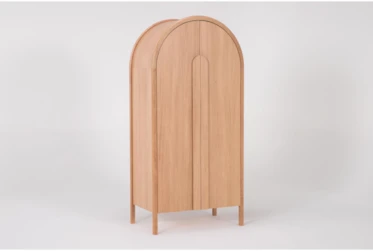

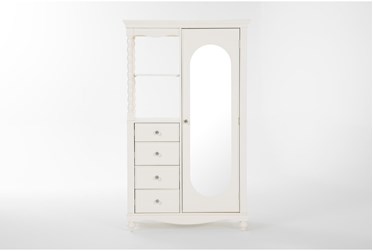

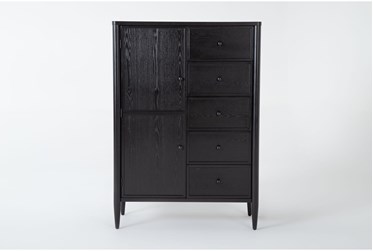
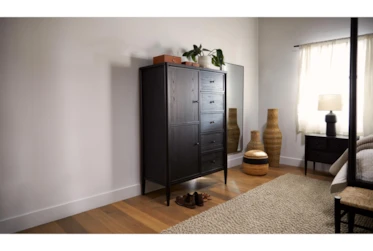

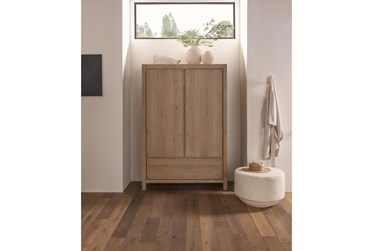
If the description of an armoire brings to mind a wardrobe or chifferobe, that’s because there are lots of similarities. But there are some subtle differences, too. First, both an armoire and a chifferobe technically fall into the wardrobe category, since a wardrobe is a piece of furniture where you can hang your clothes.
What’s the difference between an armoire and a chifferobe then? An armoire always has space to hang clothes, but some also have shelves or drawers in addition to that space. At that point, the armoire becomes a chifferobe. In general, armoires are more adaptable for the bedroom than chifferobes, since they can be considered a blank canvas that you can leave as is—with just a bar or two for hanging clothes. You can create better organization by adding shelves and drawers to your armoire, at which point you’ve turned it into a chifferobe!

Armoire Sizes
Many armoires come in big enough sizes to complement the look of bedrooms with larger beds – such as Cal King beds and Eastern King beds – though smaller versions are also becoming more popular due to the demand of small space living. Before you decide on an armoire size, always measure the space where you plan to place it!
Armoire Makeover Ideas
If your room is in need of a makeover, an armoire can be just the thing it needs. Style a new armoire in place of an old dresser; since armoires are unique and not as common as dressers, they can add the kind of zest to a room that a dresser never could. Arrange an armoire right next to a bed in place of a nightstand to heighten the bed’s nearest storage space. (When using an armoire in place of a nightstand, lay out your next day’s outfits and outerwear before you go to bed; in the morning, the clothes will be organized and within easy reach!)
Repurposed Armoire Ideas
If you already have a dresser, an armoire might seem unnecessary, but the reuses for an armoire are plenty. For instance, you can take out the shelves and drawers in an armoire (you will need tools and safety goggles for this!) so that the inside is hollowed out – and you can then use it as storage for long dresses, coats or gowns that are too formal or large for storing in a dresser or everyday closet. Also consider an armoire as a bookcase; simply rearrange the shelving inside (and/or add in more) to create a “house” for your favorite and most treasured books (or records, or other collectibles)!
Armoire Bar Ideas
Remember: an armoire doesn’t have to belong in a bedroom. If you have the tools and wherewithal, why not fashion one into a chic bar cabinet? One of the great things about an armoire-turned bar cabinet is that besides removing any hanging rods for clothes, not much actual work is needed for the transformation. The drawers inside can be kept as is, for storing tumblers, cups, glasses and bar essentials, and the shelf space above can be kept for wine and cocktail-essentials display. In a dining room or bar area, an armoire as cabinet makes a unique style statement in and of itself.
Painted Armoire Ideas
As with any furniture piece, a new coat of paint on an old armoire can work wonders. Simply choose a shade you love (if the armoire is made of dark wood, you’ll also need a base coat so that the new paint color stands out), clear your schedule for an afternoon, and get to sanding – and painting! (Since armoires are often traditionally-styled (armoires themselves stem from designs from centuries ago), the best kind of paint for an armoire will usually be distressed. Soft and neutral colors, slightly textured with patina, will match the antique theme an armoire stands for.)
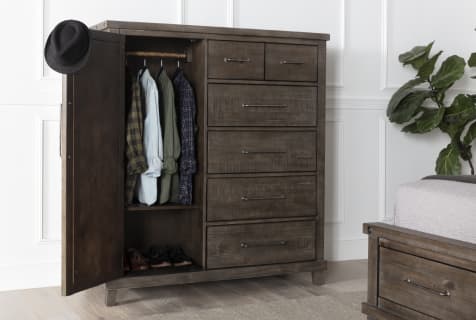
Armoire Features: The Hanging Rod
Many armoires come with a hanging rod, a way for clothes to be stored via hangers. Hanging clothes helps prevent wrinkles, makes for easier access and generally gives an organized appearance. In an armoire, distinct organization methods also helps to break up the aesthetic: a section of doors, drawers, shelves and/or rod creates a space for everything - and makes it easy to keep everything in its place.
Read the Latest
Editorial Disclaimer: Articles featuring tips and advice are intended for educational purposes and only as general recommendations. Always practice personal discretion when using and caring for furniture, decor and related items.