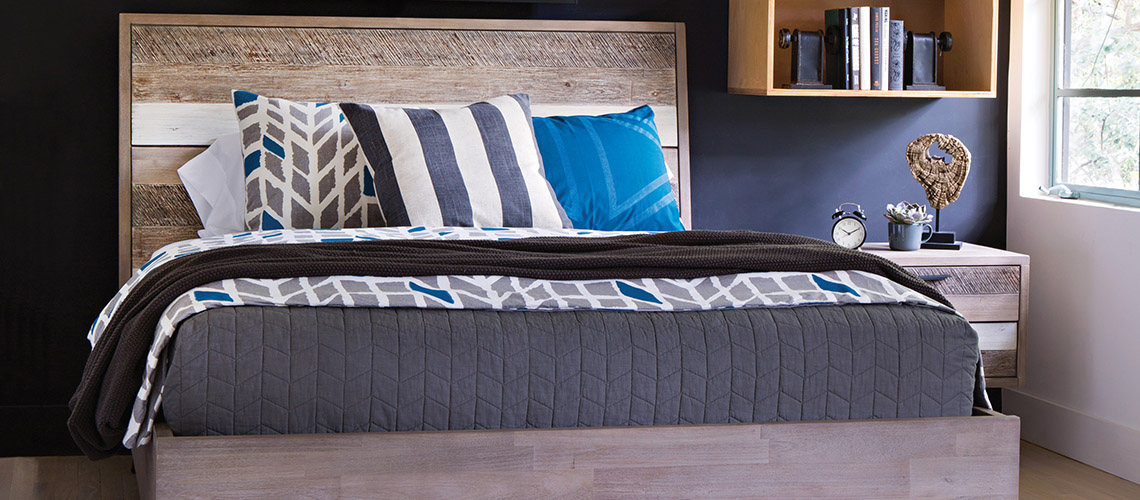
What Is Industrial Style?
How Industrial Style Started
The Origins of the Industrial Style House & Industrial Style Apartment
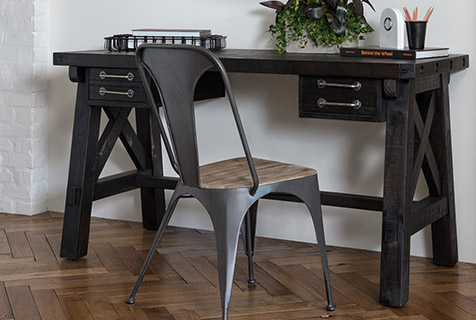
With the lack of affordable housing in large cities, enterprising people found a way to turn abandoned industrial spaces into apartments. This trend is thought to have started in Lower Manhattan, in the late 1960s when artistic types rented the spaces as studios and then turned them into their homes.
Because they were working from scratch in what was a large skeleton of a building, the usual methods of creating living spaces didn't apply. They used this blank canvas to chop the big areas into lofts – large, open apartments with few (if any) internal walls, high ceilings and, often, floor-to-ceiling windows. They kept the industrial bones of the buildings by incorporating their functional features: exposed piping, ventilator tubes, support beams and poles, and wood or concrete floors.
Key Elements of Industrial Style
Industrial Home Design
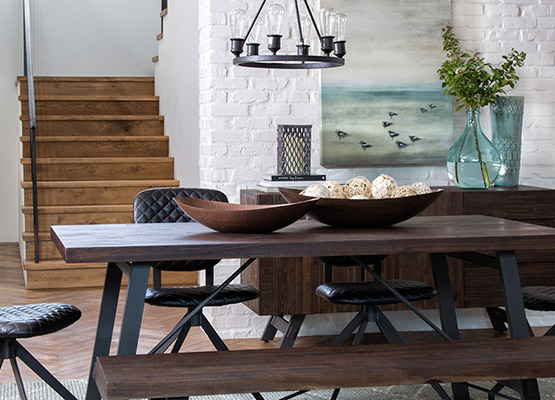
Open layout
In industrial home design, iterior walls were, more or less, optional in the first loft conversions, leaving a large open space with no defining structure. The answer was to define the space with objects: Kitchen cabinets and appliances demarcated the kitchen, the bed and storage shelving were the bedroom, and couches and chairs bracketed the entertaining area. Strategic placement of rugs and other flooring helped indicate the different areas of the home. Any interior barriers were usually temporary screens or rolling walls that could be placed where needed.
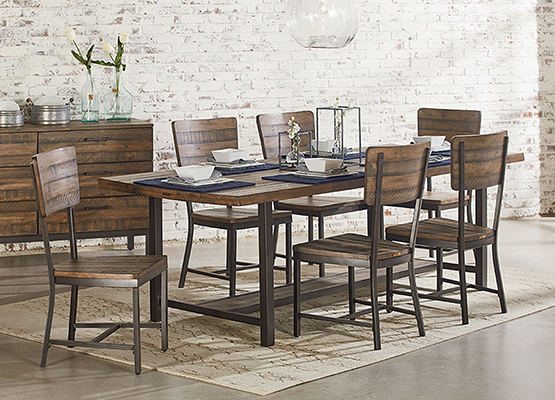
Exposed structural and mechanical elements
Because it was costly to build in or cover up industrial remnants such as pipes and ductwork, these were left in place and became a defining feature of the style. Exposed brick walls, ceiling beams and concrete or wood floors were kept as a reminder of the original purpose of the building. Metal and wood are the two materials that are left after a business vacates its industrial space, and these became an integral part of industrial style. No other style is identified so strongly with metal elements. Wood adds warmth and texture, while metal is sleek and modern.
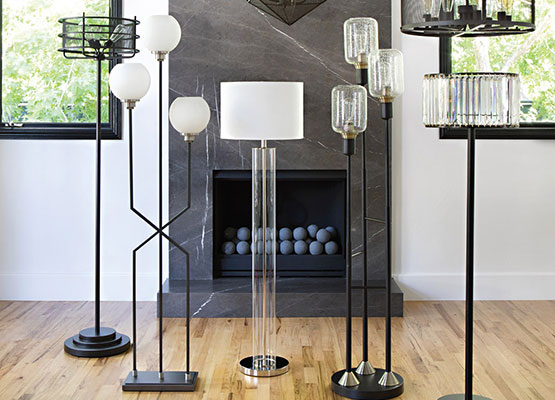
Metal and Wood
Metal and wood are the two materials that are left after a business vacates its industrial space, and these became an integral part of an industrial style. No other style is identified so strongly with metal elements. Wood adds warmth and texture, while metal is sleek and modern.
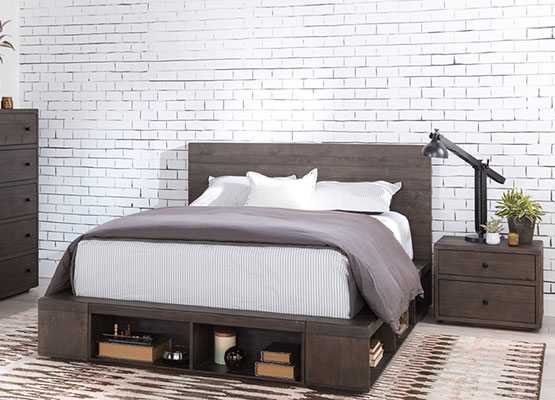
Neutral Colors
In keeping with the simple aesthetic of industrial style, the color palette tends toward warm neutrals. Warm colors like browns and tans soften the industrial edge to make the space more inviting, and neutral tones don't distract the eye from the exposed elements.
Industrial Style's Evolution
The Aesthetics of the Industrial Style House
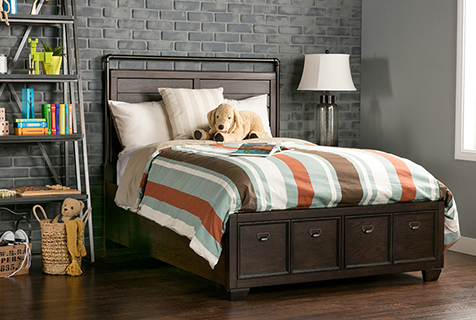
Nowadays, industrial style is popular in many more living places than just warehouses converted to lofts. Purpose-built buildings that emulate authentic lofts can be found in most cities, and many elements of industrial style have made their way into other, more traditional housing.
Introducing Industrial Style to Your Home
Industrial Decor Ideas
By adding a few of the signature features of industrial style, you can easily bring this decor into your home:
- Because industrial style works best in wide-open spaces, remove all the nonessential elements.
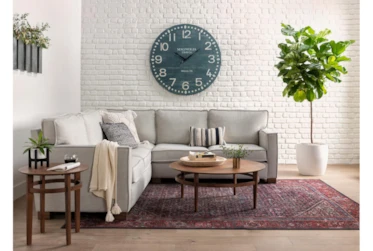
- If you're renovating, consider using materials in the industrial style, such as exposed brick walls, concrete floors and exposed beams. Let the unrefined, raw edges speak for themselves.
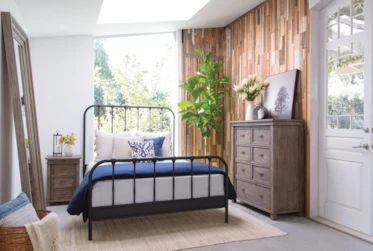
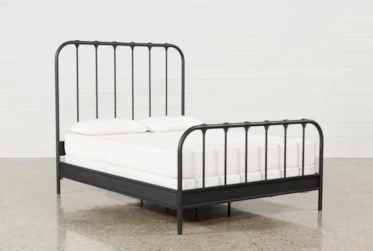
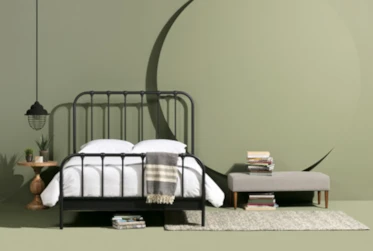
- Your furniture and accessories should emphasize the primary materials of this style: wood and metal with clean, uncluttered lines. Look for furniture and accessories that combine these materials in unique ways.
Industrial's simple-yet-edgy vibe that doesn't sacrifice comfort is ideal for our modern world. Even with small things like industrial-style lighting fixtures, wall art and metal accents on distressed wood furniture, you can emulate this decor wherever you live.
Featured Products

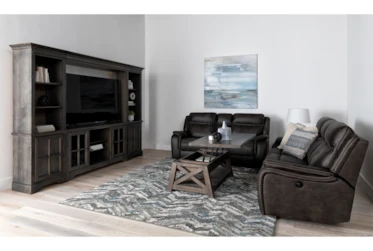

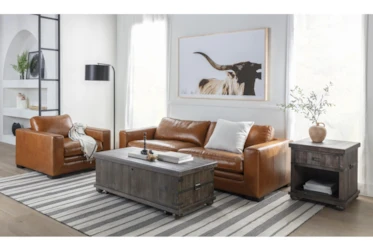
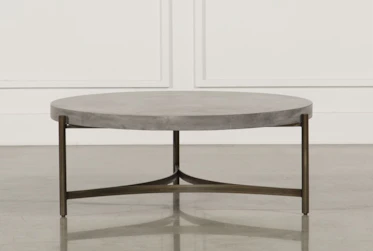
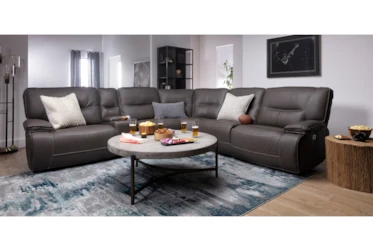

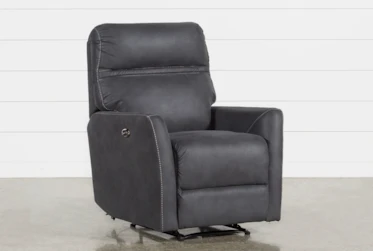

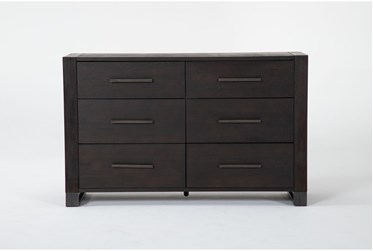

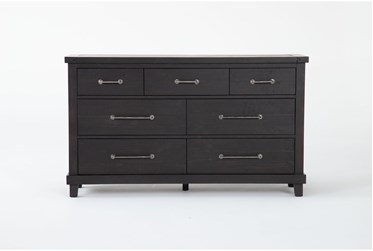
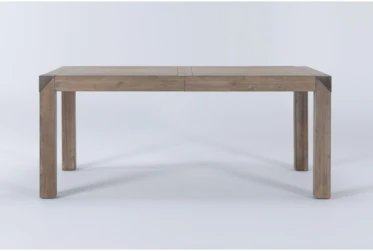
— More Great Articles —

Read the Latest


Editorial Disclaimer: Articles featuring tips and advice are intended for educational purposes and only as general recommendations. Always practice personal discretion when using and caring for furniture, decor and related items.