From Crib to Bed: Design Options for Your Toddler's Transition
Some childhood milestones are easier to anticipate, like when your child is ready to eat solid foods, when they’re ready to start walking, or when they’re ready for potty training. Then, there are the more ambiguous benchmarks, like: When is my child ready to transition from their crib to a bed?
So, When Should My Toddler Transition to a Bed?
The transition to a toddler bed typically happens when a child is around 18 months to 3 years old. This transition often depends on the child's development and comfort level, as well as if the crib is needed for a new baby.
Ok - And How Does the Transition From Crib to Bed Work, Anyway?
Transition to a toddler bed should be gradual and comfortable for the child. You can start by introducing the toddler bed in the child's room and allowing them to familiarize themselves with it during the day. Consistency, patience, and positive reinforcement can make the process smoother.
How Long Should a Toddler Bed Be?
The length of a toddler bed usually ranges from 52 to 56 inches. However, the dimensions may vary slightly depending on the brand or model.
What Age Should a Child Start Sleeping in Their Own Bed?
Typically, a child should start sleeping in their own bed around the age of 2 to 3 years. However, this can vary widely depending on the child's comfort level and the parents' preferences and cultural practices.
What Are the Signs That Your Child Is Ready for a Toddler Bed?
Some of the biggest signs that your child is ready? When they show that they are needing more independence, are consistently trying to climb out of the crib, and are being potty trained during the night.
Other signs to look out for include climbing out of their crib (the fact that they want to and can means it’s probably time), literally outgrowing their crib, and having a baby brother or sister on the way who will need their crib.

— Kids Bed Sizes —
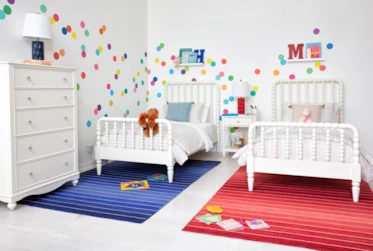
- Twin Size Beds for Kids
Twin size bed dimensions start at 39 inches wide by 75 inches long. As the smallest bed size you’ll find, a twin bed is the most popular option for a child’s transition from baby crib to big kid bed.
- Full-Size Beds for Kids
Full-size bed dimensions start at 54 inches wide by 75 inches long. If you believe your child is ready to graduate from their crib to a full-size bed, they’re in for a spacious treat. Plus, they’ll be comfy in a full-size bed up until they’re ready to leave the house.

— Kids Bed Styles —
- Upholstered Beds for Kids
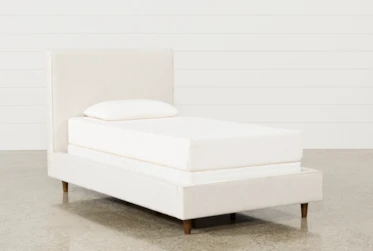
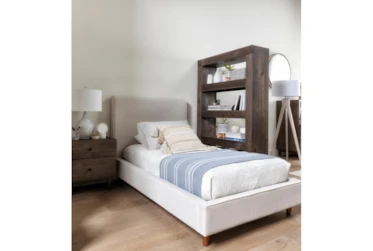
Softer than standard beds, an upholstered bed is covered in fabric from headboard to footboard. Some also feature decorative details like tufting and nailhead trim.
- Wood Beds for Kids
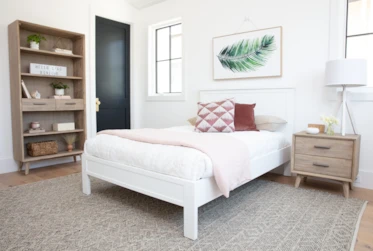
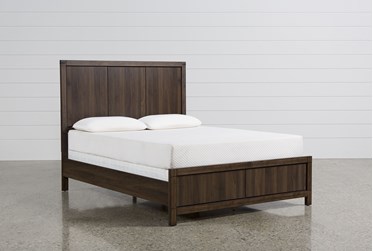
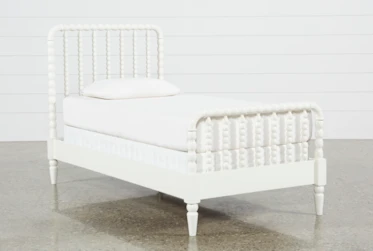
The most common type of bed, wood beds are exceptionally durable thanks to the strong, sturdy nature of wood. There are also a variety of looks when it comes to wood beds, as this material is incredibly versatile.
— Kids Bed Designs —
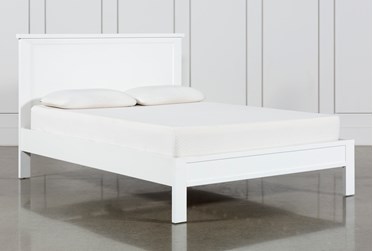
- Panel Beds for Kids
In addition to a headboard and footboard that are connected by side rails, this type of bed frame features center supports. Panel beds typically require a box spring.
- Bookcase Beds for Kids
Featuring a headboard with built-in shelves for arranging books, stuffed animals, fun collectibles and more, this type of bed allows kids to access their favorite things as soon as they wake up or right before they fall asleep.
- Trundle Beds for Kids
Featuring an under bed compartment that pulls out to reveal storage or an extra sleeping spot, a trundle bed provides double the function without taking up double space.

- Roomsaver Beds for Kids
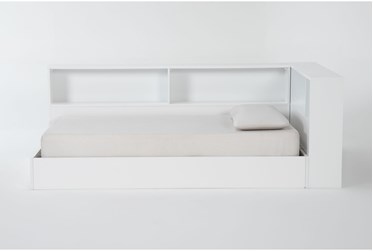
Horizontally oriented like a daybed, this design saves room by sitting up against walls, providing built-in shelves for upper-level storage, as well as drawers for lower level storage.
More Crib-to-Bed Helpful Tips & Tricks
How Long Are Babies in Cribs?
Babies usually sleep in cribs from birth until around 18 months to 3 years old. However, this can vary based on the child's size, mobility, and safety considerations.
When Should I Convert Crib to Toddler Bed With Rail?
The crib should be converted to a toddler bed with a rail when the child starts showing signs of climbing out, or if they're simply too big for the crib. This usually happens around 18 months to 3 years of age.
Help! How Do I Keep My Toddler in Bed?
To keep a toddler in bed when transitioning from a crib, start with consistent bedtime routines, use positive reinforcement for staying in the bed, and consider using safety rails to prevent them from falling out.
Featured Products
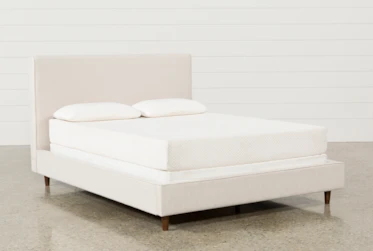





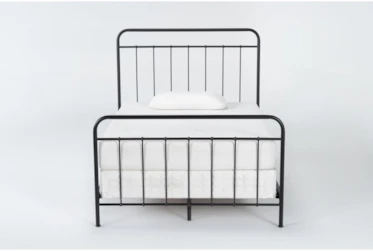
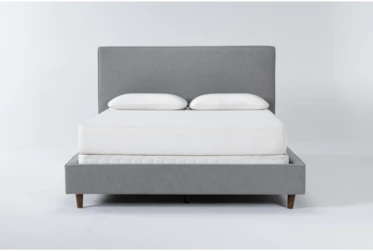



Ziya Ivory Full Upholstered Panel Bed
$195

Read the Latest


Editorial Disclaimer: Articles featuring tips and advice are intended for educational purposes and only as general recommendations. Always practice personal discretion when using and caring for furniture, decor and related items.