How to Make a Room Cooler
1. Get Air Conditioning
The most obvious way to cool down a room is by investing in an air conditioning system. This technology blows cold, temperature-controlled air through vents throughout your home, instantly making rooms more comfortable. (Unfortunately, it can be expensive; every year, homeowners across the U.S. spend almost $30 billion on AC!)
2. Buy a Fan
If you're looking for an easy, cost-effective way to cool your home, consider buying a fan; all you'll have to do is plug it in and turn it on to get comfortable, cool air right in your room. (Also consider more advanced models that will let you adjust the strength or oscillate air.)
3. Open the Windows
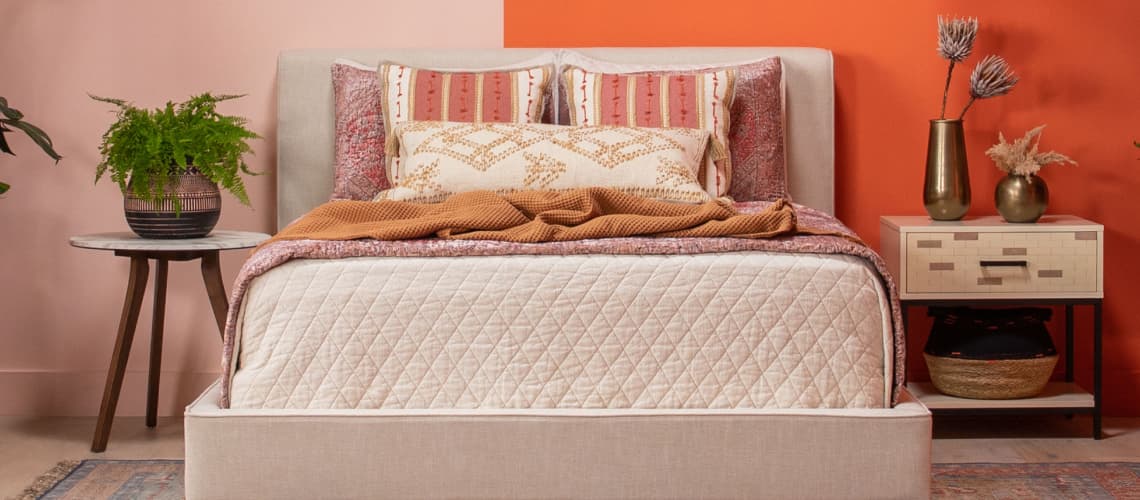
When there's a gentle, chill breeze outside, you can quickly cool your rooms by opening the windows. (This trick also supplies you with fresh air and natural light – though of course, it only works when the weather is nice!)
4. Move Your Bed
Studies show that you get the best sleep in a cool room; if the summer heat is preventing you from falling snoozing, try moving your bed closer to the window. Since temperatures tend to be colder at night, the natural breeze can help ease you to dreamland.

5. When AC Is On, Keep the Windows Closed
Is your home warm even when the air conditioning is on full blast? Before you turn your AC on, make sure the windows are closed. (When they're open, that chill air leaks outside, which wastes money and fails to cool your home effectively.)
6. Close the Vents
When you turn on the AC, cold air flows through your vents and cools down every room, so if you're not using certain areas of your home, you should close those vents to redirects the air into rooms you are using (and make them even cooler).

7. Buy a Cooling Mattress
Our bodies naturally create heat, especially when they're underneath warm blankets; this heat can spread to our mattresses, causing body temperatures to rise even more. Cooling mattresses counteract that disruptive cycle, keeping you comfortable throughout the night.
8. Adjust Your Fan to the Season
Did you know that ceiling fans produce heat when they spin clockwise? When using a fan, always ensure that the settings are appropriate for the season; it should spin clockwise during winter and counterclockwise in the summer.
9. Place Ice in Front of a Fan
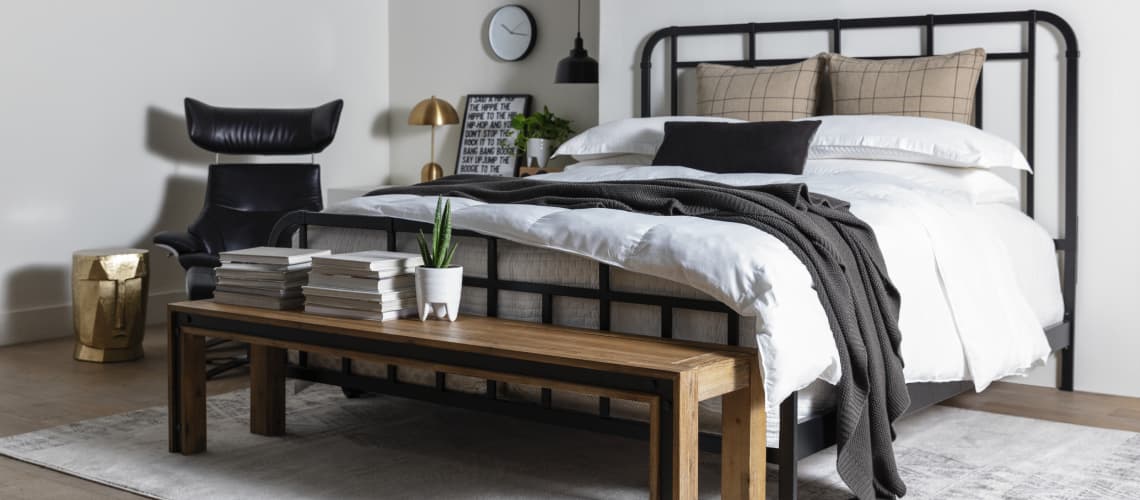
Are you in need of cold air, but your fan isn't doing the trick? Try this easy hack for making a homemade AC unit: take a bucket of ice and place it in front of the fan! (As air blows through the ice, it will cool further, creating refreshing, chilly air.)
10. Remove Rugs
In the winter, you probably like walking on soft, toasty rugs, as carpeting absorbs heat, which can spread to your feet and keep you warm. When you want to stay cool, remove your rugs and enjoy the feel of the bare, chilled floor instead.
11. Trade Out Your Comforters
Do you sleep with a heavy comforter? It might be time to change that. While comforters are cozy, they increase your body heat and make it more difficult to sleep during the summer. Instead, consider exchanging them for lighter blankets.
— More Great Articles —



Cool Colors for Cool Rooms
Read the Latest


Editorial Disclaimer: Articles featuring tips and advice are intended for educational purposes and only as general recommendations. Always practice personal discretion when using and caring for furniture, decor and related items.