How to Reduce Sound in a Room
To reduce sound in a room, you need to add soft surfaces that absorb noise and break up hard, flat surfaces that cause echoes. The easiest ways to do this are by adding thick curtains, large area rugs, upholstered furniture, and fabric wall hangings as wall panels. These simple diy decor changes effectively dampen sound transmission without requiring any structural modifications to the room.
If you’re tired of every little noise echoing through your home, you're not alone. Rooms with a lot of hard surfaces—like hardwood floors, bare walls, and large windows—tend to bounce sound waves around, making the space feel loud and chaotic. The good news is you don’t need a major renovation to create a quieter, more peaceful environment. By strategically adding soft materials and breaking up flat surfaces, you can significantly reduce unwanted noise. Here are six cost effective and stylish ways to do it.
1. Add Thick Curtains or Drapes
Windows are a major culprit for sound reflection, especially large, uncovered ones. Adding curtains is one of the most effective ways to absorb sound entering from outside and reduce sound transfer within the room. The heavier and thicker the fabric, the better it will be at soundproofing.
Look for curtains made from materials like velvet, brocade, or heavy-duty linen. Thermal or blackout curtains are also excellent choices, as their dense, multi-layered construction is specifically designed to block out light and, as a bonus, sound. For maximum effect, choose curtains that are wider and longer than the window itself, allowing them to bunch up in thick folds, which further helps with sound insulation.
2. Introduce Upholstered Furniture
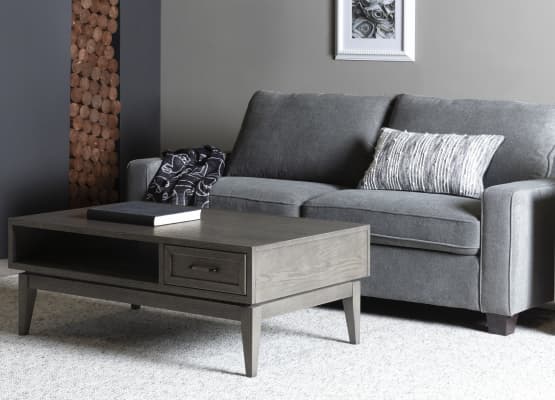
Hard furniture like wooden chairs, metal tables, and leather sofas contribute to noise by reflecting sound waves. Swapping them for upholstered pieces can make a huge difference. Soft furniture, such as fabric sofas, armchairs, and ottomans, act as a sound barrier rather than bouncing it around the room.
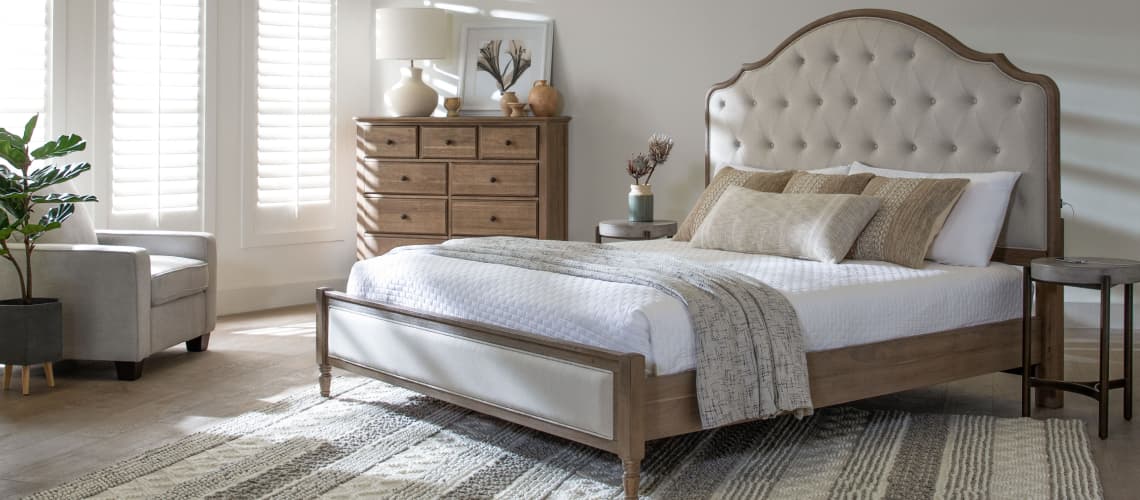
Fabrics with a deep pile or a textured surface—like chenille, suede, corduroy, or microfiber—are particularly good at dampening noise. A large, plush sofa can act as a giant soundproofing solution in your living room, while an upholstered headboard in the bedroom can help quiet a space for better sleep.
3. Lay Down Area Rugs
Hardwood, tile, or laminate floors are beautiful, but they are also highly reflective surfaces for sound. An easy and stylish solution is to add area rugs. A large, thick rug can dramatically reduce the amount of echo in a room and absorb impact noise from footsteps on floorboards.
For the best results, choose a high-pile or shag rug, as the longer fibers are more effective at trapping sound. If you prefer a low-pile rug, consider adding a thick, felt rug pad underneath for extra sound-dampening power. You can even layer rugs—placing a smaller, decorative rug over a larger, neutral one—to create a cozy, bohemian look while maximizing sound absorption.
4. Use Fabric Wall Hangings and Tapestries
Bare walls are like giant soundboards, reflecting noise and making a room feel louder. While artwork in frames can help, soft wall hangings are far more effective for sound reduction. Fabric tapestries, thick blankets, or macrame pieces add texture and visual interest to your walls while absorbing sound travel.
You can hang a large tapestry as a focal point behind your sofa or bed. Not only does this add a decorative touch and a sense of warmth, but it also serves a practical purpose by preventing unwanted sounds.
5. Load Up on Pillows and Throw Blankets
Don't underestimate the power of soft accessories. Throw pillows and blankets are more than just decorative accents; they are small but mighty soundproofing products. The more plush, fluffy items you have in a room, the more sound they will soak up.
Pile cushions on your sofa, armchairs, and bed. Choose pillows in a variety of sizes, shapes, and textures to add depth and comfort. Drape a thick, knitted throw blanket over the back of your couch or at the foot of your bed. These soft layers help break up sound waves and contribute to a cozier, quieter atmosphere.
6. Fill Your Space with Bookshelves and Decor
An empty room will always be more echo-prone than a furnished one. Breaking up flat surfaces with furniture and decor helps to diffuse noise levels, scattering them in different directions rather than letting them bounce back and forth.
Bookshelves with a solid core are particularly effective for this. A well-stocked bookshelf creates an uneven surface that disrupts sound waves. The books themselves, with their soft paper pages, also help absorb sound vibrations. In addition to books, use your shelves to display decorative objects of various shapes and sizes, such as vases, sculptures, and plants. The more you can fill your space with items of varying densities and shapes, the less echo you will have.
— More Great Articles —
Sound-Reducing Rugs
Frequently Asked Questions (FAQs)
What is the difference between soundproofing and sound absorption?
Soundproofing aims to block sound from entering or leaving a room, which usually requires construction like adding mass-loaded vinyl or extra drywall. Sound absorption, on the other hand, focuses on reducing echo and reverberation within a room by using soft materials to soak up sound waves. The tips in this article focus on sound absorption.
What is the cheapest way to reduce noise in a room?
The most budget-friendly ways to reduce noise involve using items you may already own. Rearranging furniture to break up large, open spaces can help. Adding extra blankets, pillows, and soft throws to your bed or sofa is also a very inexpensive solution. If you need to buy something, a thick area rug or heavy curtains often provide the most significant impact for the cost.
Do plants help reduce noise?
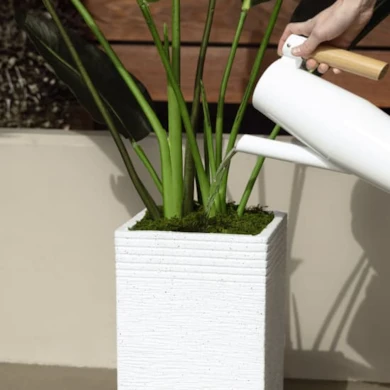
Yes, plants can help reduce noise, although they are less effective than soft furnishings. The leaves, stems, and branches of plants help to scatter and diffuse sound waves. Large plants with dense foliage, like a Fiddle Leaf Fig or a Rubber Plant, will be more effective than smaller ones. Grouping several plants together can create a natural sound buffer.
Will painting a room a different color help with sound?
Standard paint will not have any noticeable effect on sound reduction. However, there are specialized "acoustic paints" available that are much thicker than regular paint and contain sound-absorbing fillers. While they won't soundproof a room entirely, they can help reduce high-frequency noise and are a good option if you want a solution that doesn't alter your room's decor.