
How to Dispose of a Mattress + Where to Recycle
States with Mattress Recycling Laws
As of the time this article was published, three states have laws on mattress recycling: California, Rhode Island and Connecticut. In these states, rules have been created around how a mattress is disposed of in an effort to lessen environmental impacts. In California, Rhode Island and Connecticut, it is required that the store from which you buy a mattress provide you with a mattress removal service for your old one. (Note that legislation around mattresses changes regularly, so keep up to date with your state’s laws when you’re ready to dispose.)
Of course, most of us live somewhere other than California, Rhode Island and Connecticut; the good news is that if you live in any of the other 47 states, there are options available for mattress removal and disposal.
How to Dispose of a Mattress in Every State
If you need to dispose of a mattress, first, consider donating. Donating a mattress is a great option if the mattress is still usable and in good condition, as it will provide a new bed for someone in need. The best places to donate a mattress include Goodwill, Habitat for Humanity and Salvation Army, but there are also bound to be local organizations in your area accepting mattresses. (Another reason why donating is great? It’s a form of recycling; when you donate an old mattress, it is repurposed in the form of a new bed for someone else.)
Another option is to schedule a pickup from the store you’re buying your new mattress. Even though 47 states don’t require mattress manufacturers to pick up an old mattress, many states contain stores who offer those services. (If you're buying a new mattress from Living Spaces, free mattress removal options are available.)
Do-It-Yourself Recycling
Another trick in the books is to actually break down the mattress by yourself, so that it can be recycled. This is necessary when some recycling centers don’t take whole mattresses (which is actually quite common) or when transporting a whole mattress is out of the question. To break down a mattress, make sure you’re using the right tools: the process generally involves cutting into the material with strong wire cutters (while wearing protective eyewear), but, since ripping apart an old mattress can be very dangerous, requires an experienced hand (in other words, don’t attempt to do it if you’re not exactly sure what you’re doing). Do your research before starting out, and if possible, only attempt to cut a memory foam mattress, as maneuvering innersprings can lead to injury.
Give It To a Friend
If you don’t know of any recycling centers or donation centers near you, you can always give your mattress away! If it’s gently used and still in usable condition, there may be someone you know who needs it; donating is harmless to the environment and helpful to your friends.
The more ways you can think of to reuse your mattress as opposed to disposing the better – the better for the environment, the better for finding new purpose, and, of course, the better for your mattress! If you’re on the fence about getting rid of a mattress, consider keeping it. You may need it in the future for a guest bed for long-stay guests; if and when you do eventually need a spare mattress, you won’t have to buy a new one, saving you money in the long run. (By the way, storing a mattress out of the way when you currently don’t need it is simple – easy options include keeping it on a spare bed, under a raised bed or properly covered in a moisture-wicking bag in a garage. For more information on mattress storage, check out this article.)
Why Dispose of a Mattress?
Disposing of a mattress is necessary when you longer need your old mattress, such as during moves or once you’re ready to buy a new mattress. Another common reason for mattress removal is downsizing, as a mattress is a large item that takes up a large space in a home. Unfortunately, disposing of mattresses is commonly done improperly; while it’s easier to ignore the laws around mattress disposal, taking the extra step to follow the rules and brush up on the ways you can remove a mattress in your area will go a long way in reducing your environmental footprint (and not to mention, avoiding illegal dumping fees)!
Did You Know Living Spaces Will Haul Away Your Old Mattress?
When you order a new mattress from Living Spaces and have it delivered, you can dispose of your old one at the same time.
The Mattress Recycling Council (MRC) – a non-profit organization established by the mattress industry – has developed a recycling program for discarded mattresses to help reduce landfill waste and illegal mattress dumping. In order to fund this program, CalRecycle has authorized a mandatory $10.50 recycling fee that will be collected upon the purchase of any new mattress or foundation (box spring). Additionally, this fee is added even if you do not have an old mattress or foundation. You can find more information regarding this fee here.
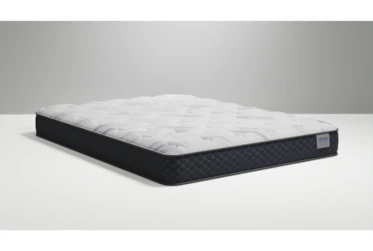
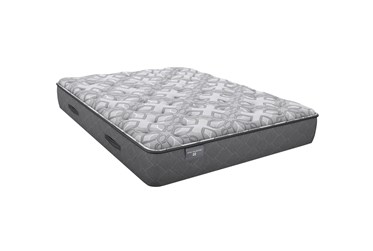
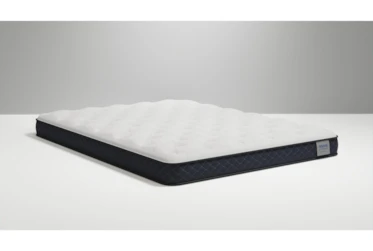
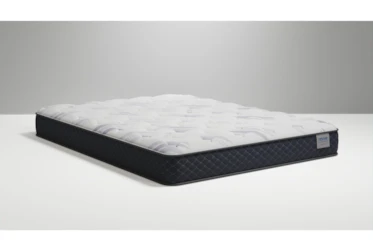
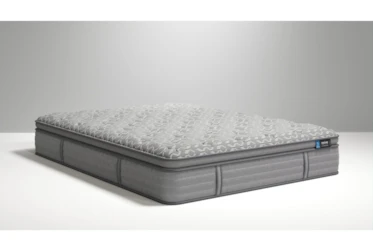
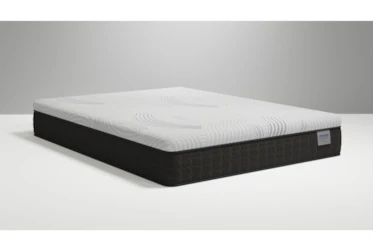
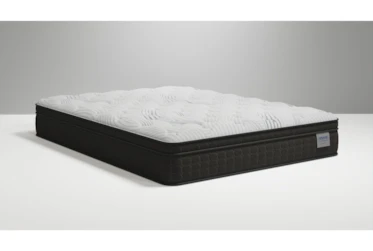
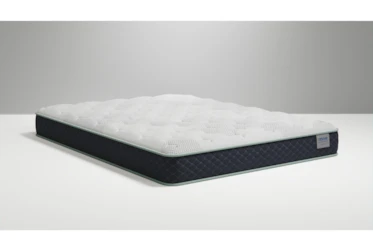
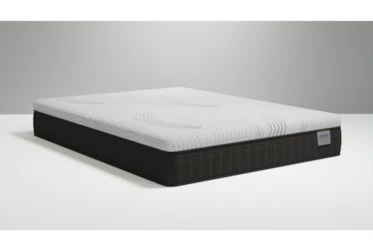
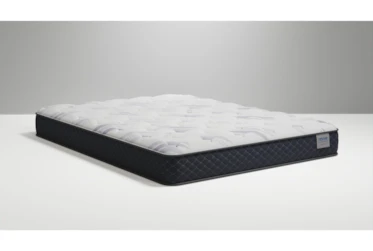
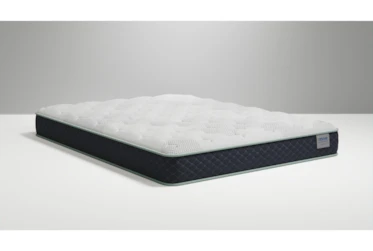
New Mattresses (with Mattress Removal)











— More Great Articles —
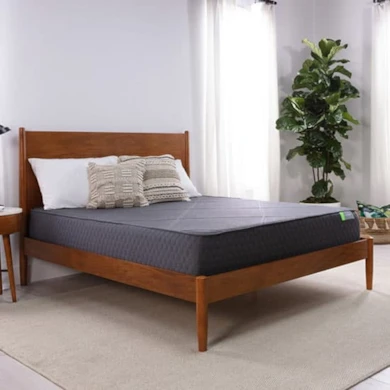
Out with the Old, In with the New!
Read the Latest


Editorial Disclaimer: Articles featuring tips and advice are intended for educational purposes and only as general recommendations. Always practice personal discretion when using and caring for furniture, decor and related items.