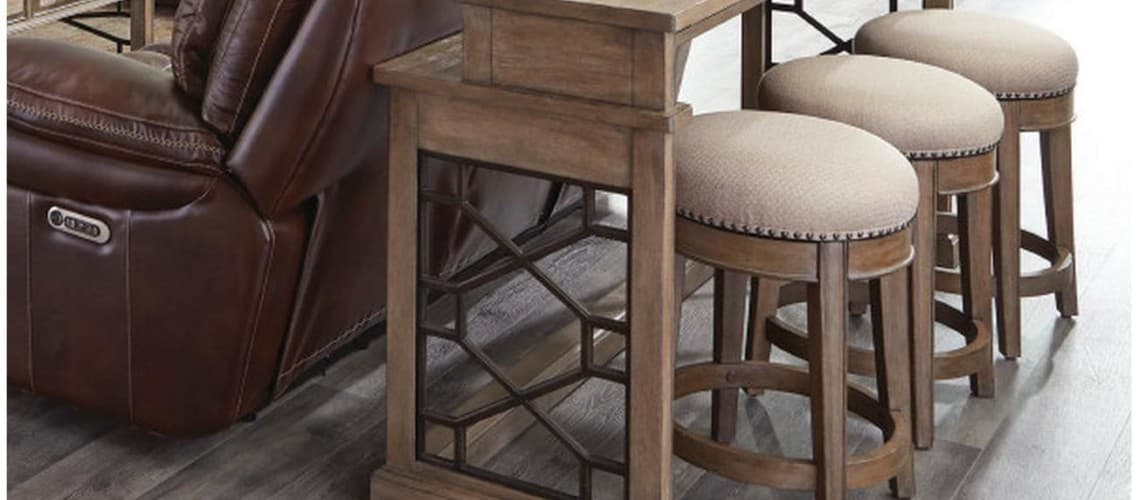
Bar Height vs. Counter Height
Measure First
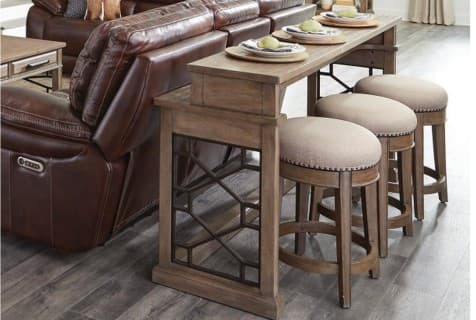
Even before you start browsing for counter stools, bar stools or kitchen bar stools, take note of the height of the counter or bar where you plan to use them. Get this number by measuring from the floor to the top of the counter.
Most bars and counters fall within standard height ranges. Standard kitchen counters are 36 inches high, and standard residential bars are 42 inches. Standard counter stools and standard bar stools are designed for these heights. However, actual counters and bars can range several inches taller or shorter, so always measure.
Once you have the exact height of your bar or counter, look for a bar stool that's approximately 10 inches shorter. Measure the height of a stool from the floor to the top of the seat; this leaves enough room to sit comfortably with legs crossed.
Bar Stool Width and Spacing Guidelines
Another measurement you need is the length of your counter or bar. Combined with the width of your chosen stools, this measurement determines how many stools will fit comfortably in your space so people can get in and out of their seats easily. For 16-18-inch seats, leave 6 inches between chairs. For seats 18 inches or wider, or if the stool has arms or swivels, leave 8-10 inches.
Bar Stool Dimensions
Most bar stools come in one of four popular sizes: the short stool, counter stool, standard bar stool and extra-tall stool. Check below for the common sizes associated with each, and measure your bar to get a feel for which type will work best for your space!
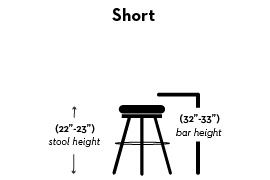
Short Stool Height: 22”- 23”
Counter Stool Height: 24”-28”
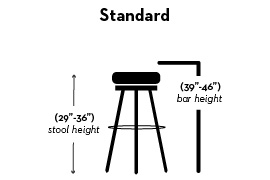
Standard Bar Stool Height: 29”-36”
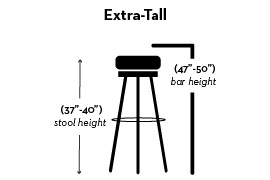
Extra-Tall Bar Stool Height: 37”-40”
How high should your bar stool be?
The answer depends on how high your bar is. Refer to this table for exact measurements:
|
Bar Stool Height |
Bar Height |
|
Short (22”-23”) |
32”-33” |
|
Counter (24”-28”) |
34”-38” |
|
Standard (29”-36”) |
39”-46” |
|
Extra-Tall (37”-40”) |
47”-50” |

Bar Stool Features
Now that you know how many bar stools you need and what their height should be, you can start the fun part -- choosing the style.
Stools backs vary, and the type of back has a large impact on the look and feel of the stool:
No back: You can slide backless stools under the counter, but they are less comfortable for long periods of sitting.
Back with a lip for support: The lip section can be barely there or up to mid-back.
Fullback: These are the most comfortable, especially for sitting a long time.
Stool style is also influenced by the presence or absence of arms, whether the seat or back is padded, and whether the stool is stationary or swivels.
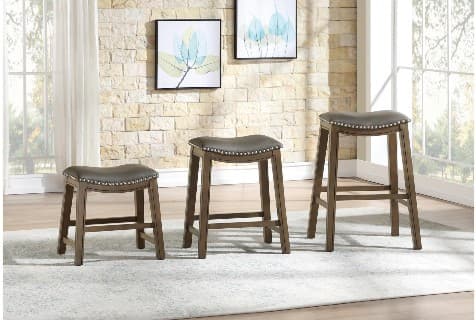
What is the difference between standard, counter-height, and bar-height stools in terms of seat height?
How do you choose the right stool height based on the height of your bar, table, or countertop?
Design Choices
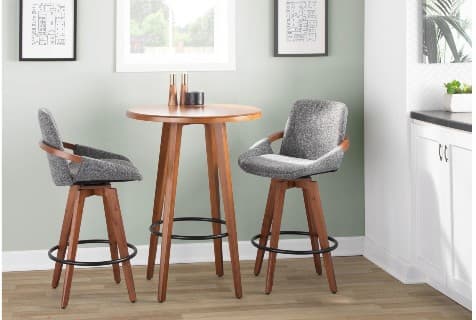
Take a look at your overall design theme where the stools will be, and decide whether you want to match or contrast. Popular decor styles include:
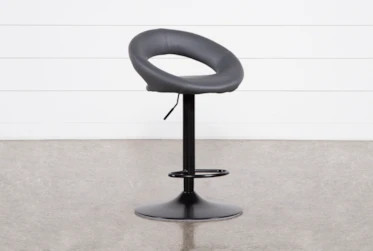
Contemporary/Modern: Look for metal elements, low to mid-height backs and padding for comfort.
Traditional: These stools are generally made of wood. If they're for a bar, backless with padding is classic. For a dining counter, stools with fullbacks and arms, much like traditional dining chairs, are a good choice.
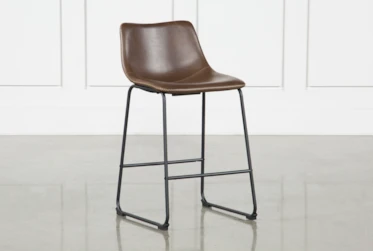
Industrial: This style focuses on industrial materials such as metal and plastic, and industrial bar stools often have swivel seats. Bar tables with footrests pair well with this stye.
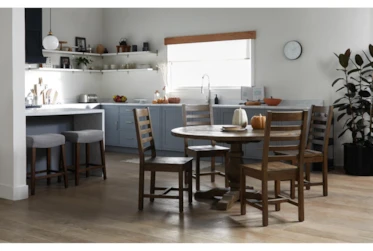
Farmhouse: Farmhouse bar stools are simple and practical. They are usually all wood with backs — the kind of seat that would have been needed for a farmer after a long day on the job.
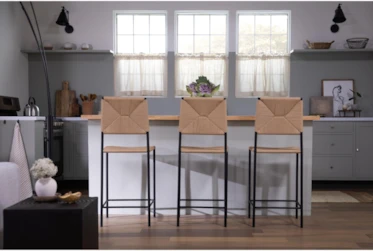
Boho: Boho bar stools usually feature airy materials like linen, wicker or wood. Patterned prints, textured trims and light colors are important here.
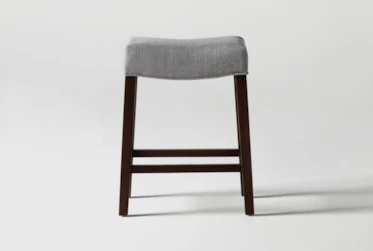
Transitional/Casual: These stools are usually backless or with a lip back. They have a minimalist vibe with little padding and are often made of wood. This is a great choice for small spaces where the kitchen counter also serves as a breakfast bar.
When you're armed with the proper measurements and a sense of the style you want for your space, bar stool shopping becomes simple and easy.
What are the benefits of using different barstool heights in a kitchen setting?
- Adapting to variegated counter heights: By selecting the appropriate stool heights, you can ensure comfortable seating at both kitchen islands and large dining tables.
- Enhancing visual interest: Different stool heights can add depth and dimension to your kitchen, making it look more dynamic.
- Improving accessibility for everyone: Including stools of varying heights can accommodate individuals of different ages and sizes, making your kitchen more inclusive.
What are the common seat heights for counter stools and bar stools?
How can you determine the correct stool height needed to fit comfortably at your counter?
- Measure your counter's height from the floor to its upper edge.
- Subtract 9 to 12 inches from this measurement to find the ideal seat height of your stool. This range ensures optimal leg room and comfort.
- For example, if your counter is 36 inches high, you should look for stools with a seat height of 24 to 27 inches. By carefully selecting stool heights according to these guidelines, you can create a comfortable and stylish seating area that complements your space perfectly.
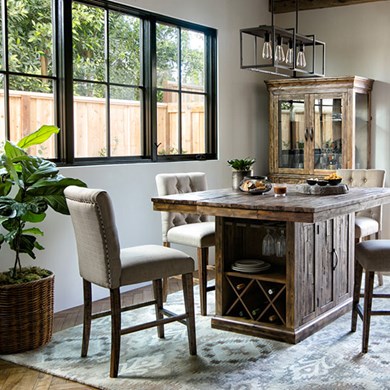
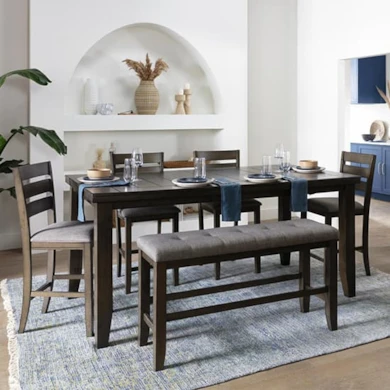
Different Heights for Dining Area Pub Tables + Bar Tables


Read the Latest


Editorial Disclaimer: Articles featuring tips and advice are intended for educational purposes and only as general recommendations. Always practice personal discretion when using and caring for furniture, decor and related items.