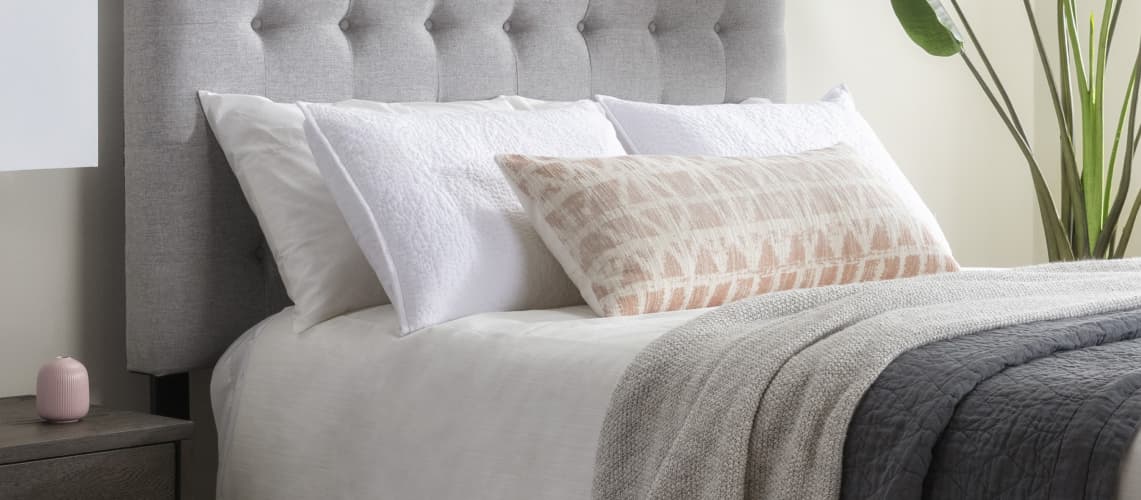
How to Attach a Headboard
Step 1: Select the Right Headboard
- Make sure the headboard is the same size as the bed. If your bed is a Twin, only a Twin headboard will fit.
- If you’re not sure which size the headboard is, check the width. Line up the headboard with the bed base to see if the drill holes match up to the holes along the bottom of the headboard.
- A headboard should be the same width as the bed, give or take a couple inches.

Step 2: Align the Strut
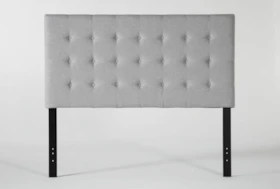
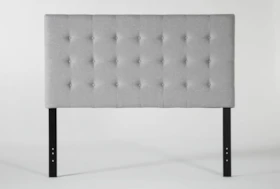
- Align the strut (legs) of the headboard over the holes of the bed frame.
- Raise or lower the headboard until it is at the height you prefer.
- Have a friend hold the headboard in place. Next, place the bolts that will have come with your headboard or bed frame into the headboard bracket and strut hole.
Step 3: Fasten the Headboard
- Fasten the bolts with a nut until they are no longer loose. If the bolts stick out the headboard’s legs, secure washers to the bolts as well.
- Step back to make sure the headboard is centered.
- Tighten the bolts with a set of pliers.
Why Attach a Headboard?
Sure, a basic bed frame gives you a sensible place to sleep. Without a headboard, though, it lacks style, additional back support and wall protection. Whether padded, wood or metal, attaching a headboard to a bed frame makes a drastic difference. Here are a few reasons to consider doing so!
Attaching a Headboard Will Make the Bed More Comfortable. Since most beds are positioned a few inches from the wall, the gap between the bed and wall can make sitting up in bed uncomfortable. When you attach a headboard, you’re providing a better means of back support. Quilted or fabric headboards have the additional luxury of soft-to-touch material – to cozy up your bed’s overall atmosphere.
Attaching a Headboard to a Metal Base Adds Style. Metal bases or adjustable frames are often not designed for style – that’s where the headboard comes in. Attaching a headboard to these types of bases can turn the technical function of your bed base into the story of your personality. Choose a headboard in a color, material or pattern you love!
Attaching a Headboard Protects the Wall. Sometimes, life happens. Over time, scratches, dirt marks, dust and paint chips can make a wall look banged up. Use a headboard as a protective device from these signs of wear and tear – think of it as a barrier of sorts between your sleeping space and the wall behind it.




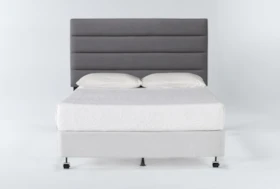



— More Great Articles —
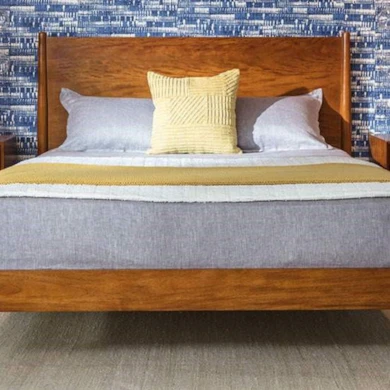


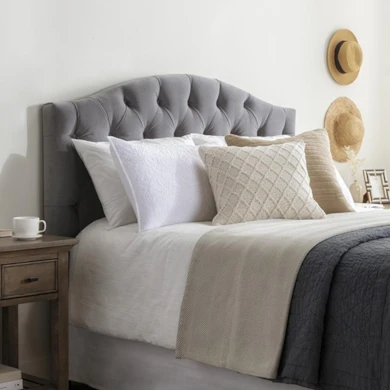
Hearty Headboards
Read the Latest


Editorial Disclaimer: Articles featuring tips and advice are intended for educational purposes and only as general recommendations. Always practice personal discretion when using and caring for furniture, decor and related items.