Your Complete Guide to Types of Mattress Bases & Bed Foundations
A good night’s sleep is critical for good health, so you want to make sure your bed is as comfortable as it can be. But did you know that what goes under your mattress also plays a big role in how well you feel when you wake up each morning?
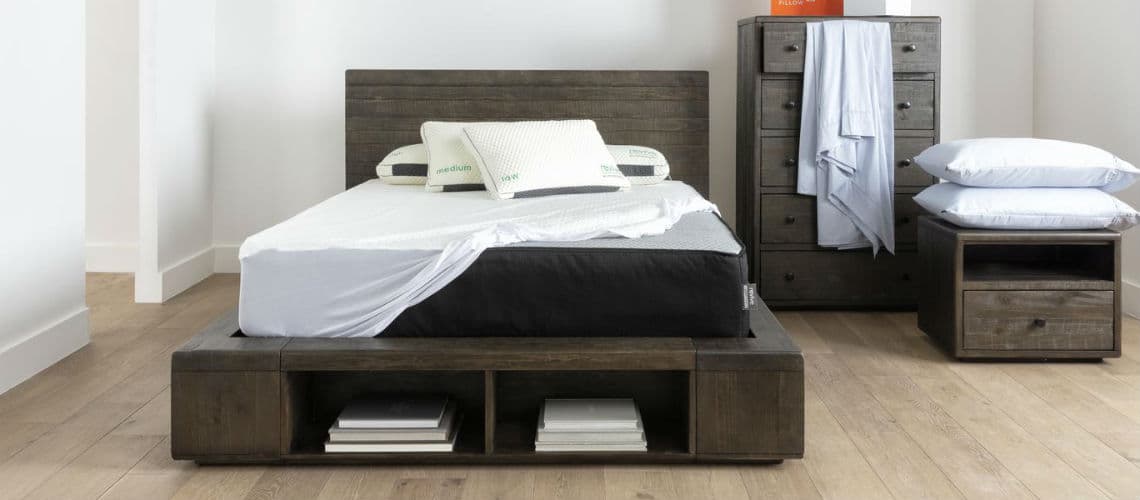
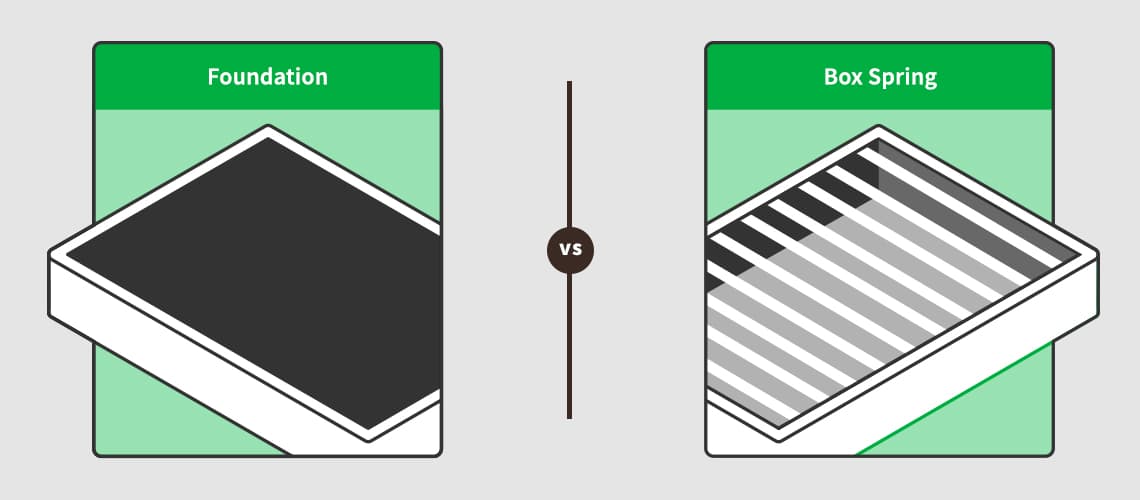
Mattress bases — also known as mattress foundations — are supports that you place directly underneath your mattress. Mattress bases are what hold your mattress up, whether you have a bare-bones metal bed frame or a fancy bedstead with a wooden headboard, footboard and slats.
There are several different types of mattress foundations, and each one has its place. Here’s everything you need to know about mattress bases as you shop for the perfect new bed.
Adjustable Bases
What Are They?
Adjustable bases, also known as power bases, are movable foundations that can be used underneath your mattress. Most models lift up your head and feet to create a sense of weightlessness, which eliminates pressure points on your back and neck. A number of Revive power bases even offer Bluetooth technology, so you can control everything from your phone.
Adjustable Base Benefits
Adjustable bases don’t just feel comfortable – they can also improve your health. While a flat surface can lead to poor blood flow and place painful pressure on the joints, an adjustable base offers elevated support for proper pressure-relief and healthy circulation. As a result, adjustable bases are associated with decreased risks and symptoms of a host of medical conditions, including:
- Back and joint pain
- Snoring and sleep apnea
- Acid reflux and heartburn
- Digestion problems
- Headaches and minor pains
- Arthritis, sciatica and other inflammatory conditions
- Edema and other fluid retention conditions
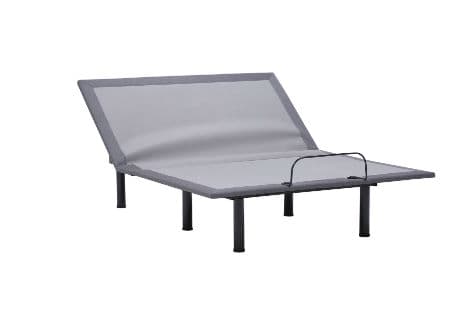
In addition to moving your head and feet, there are adjustable bases that include additional lumbar support and massage features, plus they tilt to comfortable positions for watching TV and reading.
Works Best With:
- Memory Foam, Hybrid, and Individually Wrapped Coil Mattresses
- The only mattresses not designed to go on power bases are ones with a steal border wire around it usually found in very low-end units.
- Since your mattress sits directly on the base, you no longer in need a foundation.
- The power base can be attached to a head Board or you can place it inside many bed sets as long as the slats can be removed and nothing is impeding the base from sliding into the bed set.
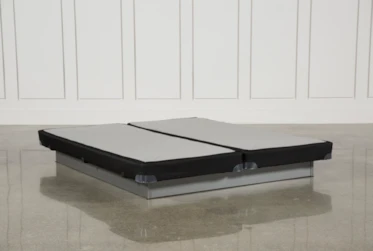
Bunky Boards
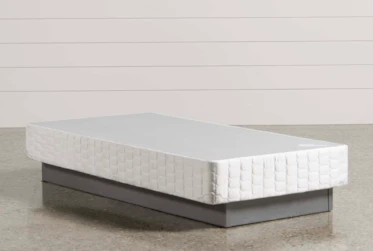
*Grey display base not included
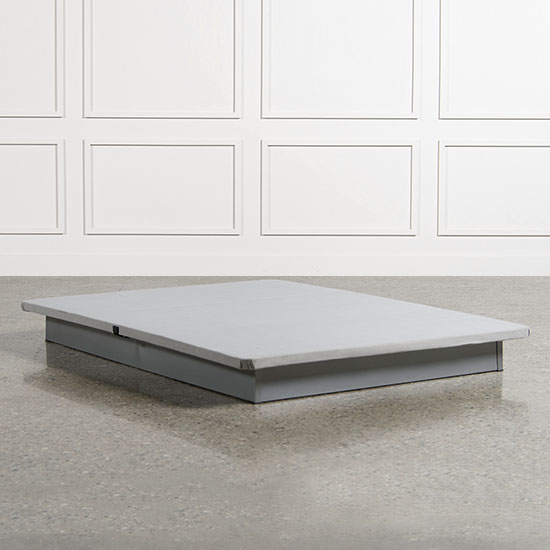
Bunky boards are a particularly good choice for memory foam mattresses, which need even support under their entire surface area to prevent foam from pressing between slats and breaking down over time.What Are They?
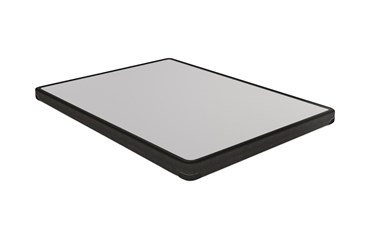
Bunky boards are the most low-profile choice for a mattress foundation and won’t add much height to your overall sleeping surface. A bunky board is a solid piece of wood, plywood or MDF that is cut to the same size as your mattress. The wood is wrapped in fabric to protect your mattress from pulls and reduce any tendency for sliding. A bunky board is the thinnest foundation available, and it’s often one of the most affordable options.
Bunky Board Benefits
Bunky boards provide support and stability for mattresses of all types, without adding height to the bed overall. This makes it a great choice for children’s beds and for anyone who prefers an ultra-modern, streamlined look in their bedroom.
Works Best With:
- Bed frames with seven or more slats across the bottom
- Memory foam mattresses
- Thicker, pillow top mattresses that already offer ample height
Box Springs
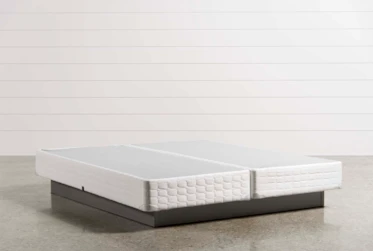
What Are They?
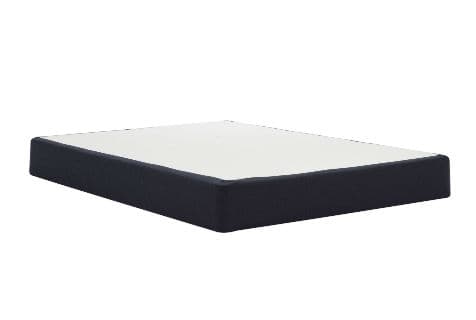
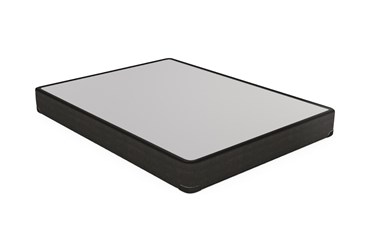
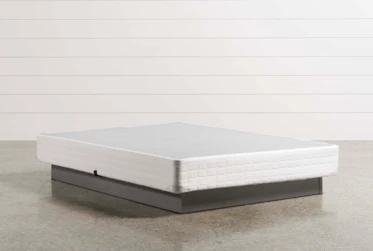
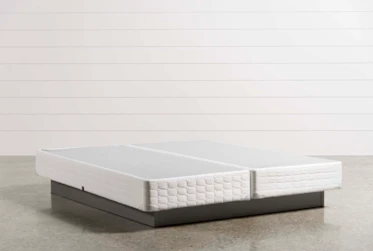
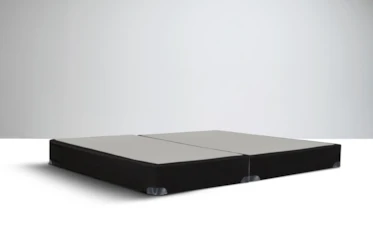
A box spring is a wooden frame that’s as big around as your mattress and eight inches high. Inside the frame — or the box — are metal coils that give a little when you sit or lie on your mattress, which dissipates excess energy and protects your mattress from wear and tear. A box spring is typically covered in a fabric to match your mattress. Box springs are the original mattress foundation, so many people use the term as a catchall phrase to refer to all types of bases.
Box Spring Benefits
Box springs add a good deal of height to your bed surface, in some cases doubling the height of a solitary mattress. This is perfect for traditional bed designs and for anyone who has trouble standing up from a lower position.
Works Best With:
- Bed frames with six or fewer slats across the bottom
- All styles of mattress
Metal vs Wood Box Spring
Material type in a mattress foundation won’t affect your comfort as much as height. While slight, there is one difference that comes with metal as opposed to wood: while wood is lighter, metal is heavier, so if you need to move the foundation around a lot, you may want to opt for wood. Either material type is designed for full support of a mattress.Low-Profile Foundations
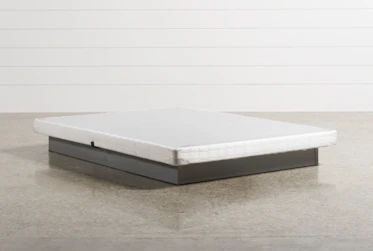
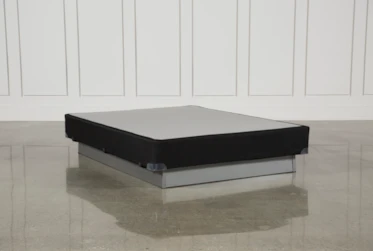
*Grey display base not included
What Are They?
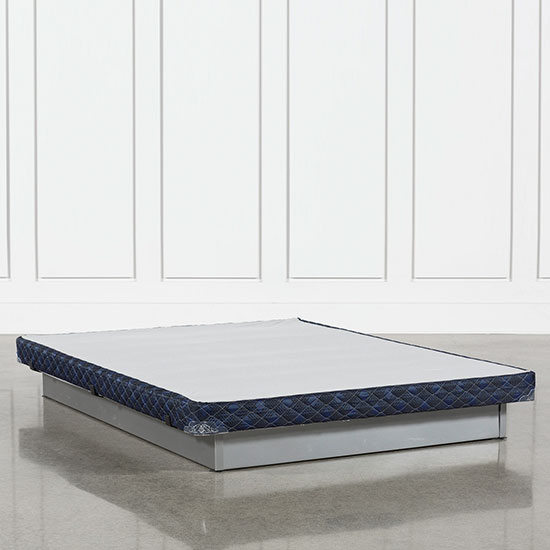
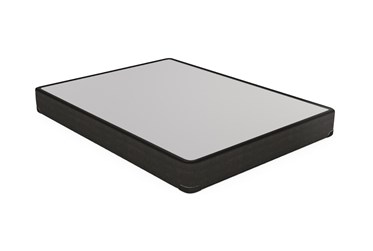
A low-profile foundation is an updated version of a traditional box spring that is designed to provide a sleeker look in contemporary and modern bedrooms. It’s only half the height of a traditional box spring: The four-inch wooden frame is wrapped in fabric and offers a happy medium when it comes to overall bed height.
Low-Profile Foundation Benefits
Low-profile foundations provide shock-absorbing support without additional height, which most people find makes it easier to get in and out of bed. These foundations offer a minimalist look for a transitional or modern decorating style.
Works Best With:
- Bed frames with six or fewer slats across the bottom
- All styles of mattress
Featured Products



— Related Articles —
Related Categories
Read the Latest


Editorial Disclaimer: Articles featuring tips and advice are intended for educational purposes and only as general recommendations. Always practice personal discretion when using and caring for furniture, decor and related items.