What Is Acacia Wood + Why Is It Great?
The Roots of Acacia Wood
Acacia wood comes from the Acacia tree, a genus with over 1,000 species belonging to the pea family, Fabaceae. These trees are native to Australia and Africa and are renowned for their adaptation to harsh environments. Acacia trees can grow in varied climatic conditions and are well-known for their hard and dense wood.
One of the most remarkable qualities of species of Acacia trees is their resilience. They’ve been observed in recent years to grow in arid, nutrient-depleted soils where other trees find it impossible to survive. It’s this resilience that translates into the hardness of acacia, making it an excellent material for heavy-duty workability. This is why one of the most popular applications of solid acacia wood is cutting boards, which literally take a beating everyday!

- Distinct Grains and Patterns: The wood's grain patterns are highly distinctive, often featuring a mix of straight and wavy lines, which adds to its aesthetic appeal.
- Stability: Acacia wood has low moisture content, which lends it stability and prevents warping, making it an ideal choice for outdoor furniture as well.
Sustainable Sourcing of Acacia Wood

Its use in charcoal production, for instance, is an alternative to more destructive methods, as acacia wood can help to support efforts to reduce deforestation in sensitive areas.

The sustainable cultivation of acacia wood can also contribute to carbon sequestration. Well-managed plantations can act as a carbon sink, which, in turn, supports climate change mitigation efforts.
Learn More About Acacia Wood


Is acacia wood good quality?
What is so special about acacia wood?
Asia-Native Acacia Wood Inspiration
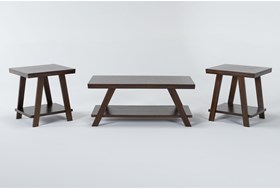


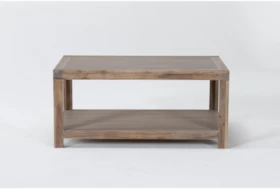


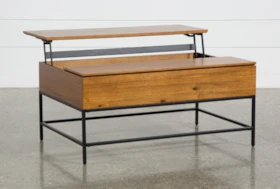


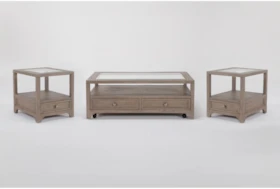
What is the downside of acacia wood?
Is acacia better than oak?
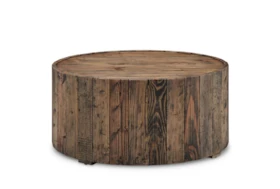
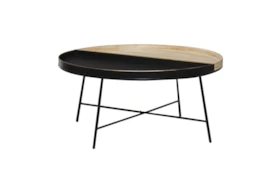
Different Types of Wood Tables




Can acacia wood get wet?
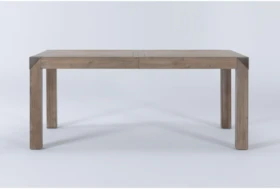
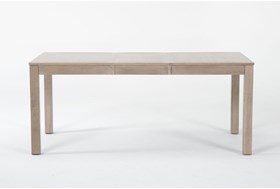
Popular Choice Dining Tables







Read the Latest


Editorial Disclaimer: Articles featuring tips and advice are intended for educational purposes and only as general recommendations. Always practice personal discretion when using and caring for furniture, decor and related items.