Decor Tips
9 Small Garden Ideas for All Skill Levels
Even if you have limited room for your garden, you can turn your space into a lovely area where you’ll sit and enjoy your time. Size really doesn’t matter when it comes to small garden ideas, it’s all about how you plan and execute them. Here are some simple tips to get you started!
1. Create a Seating Area
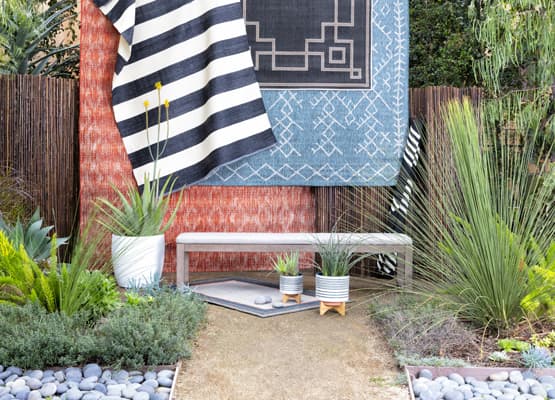
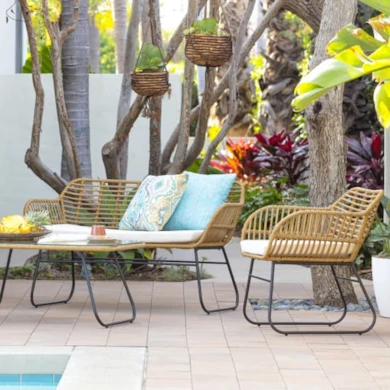
By making a bench, swing, or a pair of chairs your focal point, you reduce the number of plants you need. This allows you to plant just a few select pieces of greenery to surround your seating area. That’s really all you need to make it feel lush when you’re sitting in your little garden area!
2. Mix and Match Sizes
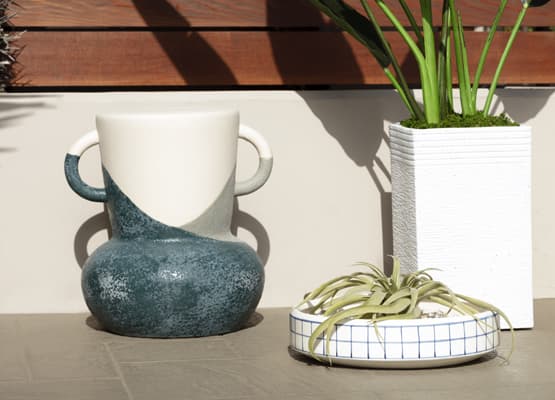
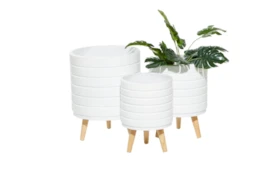
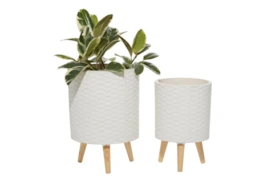
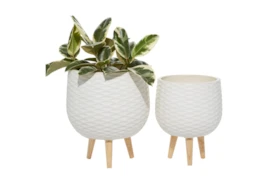
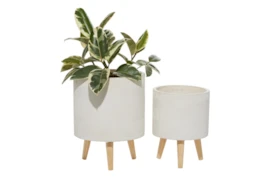
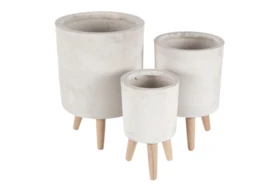
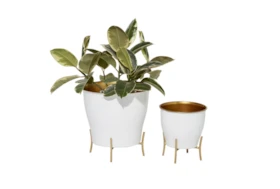
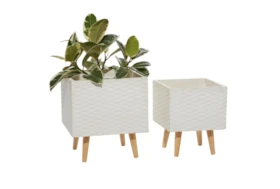
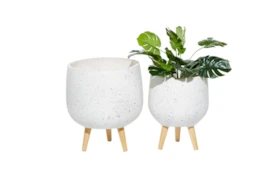
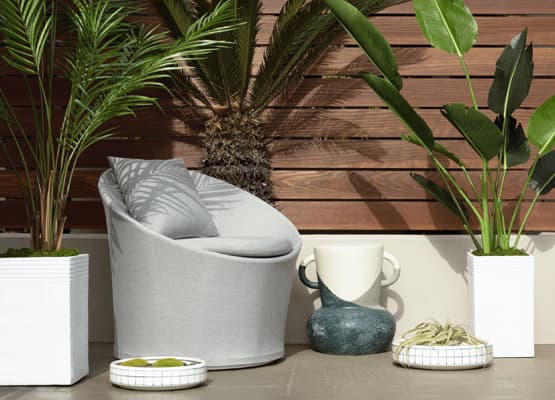
Uniform-sized plants look boring and are very noticeable in a small garden. To avoid the bland look, consider choosing some tall plants and a few smaller ones; this will give you more variety and spice up the area. If you need a bit more of a boost, you can use plant pots of varying heights to create a difference in size.


3. Provide Some Shade
A palm tree or large ficus can be a useful way to give your seating area some shade without resorting to tarps or canopies. While it does have its place aesthetically, an arching tree or large plant will cast just the right amount of protection and give you a sense of privacy.
4. Create an Outdoor Living Space
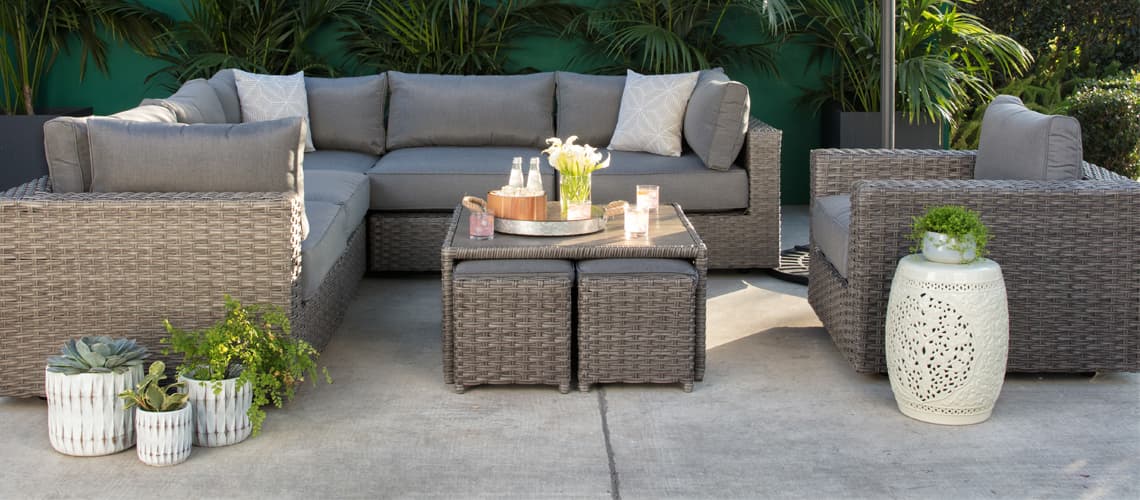
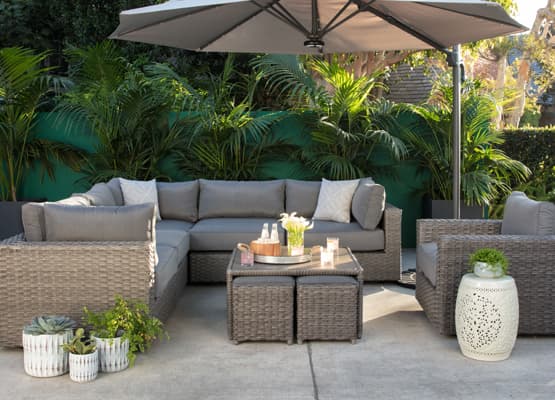
When it comes to small garden ideas, you want the space to serve you. Creating an outdoor living space means tailoring the garden to your needs, even if that means fewer actual plants. Armchairs or outdoor furniture can help make a space you’ll want to spend plenty of time in, while some strategically placed plant pots will give you plenty of greenery.
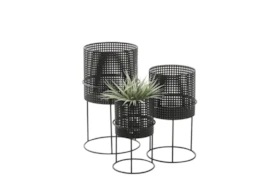
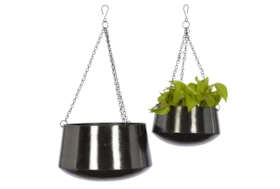
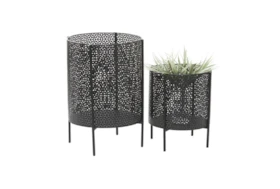
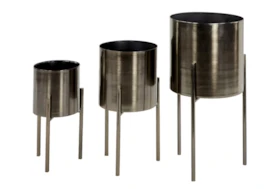
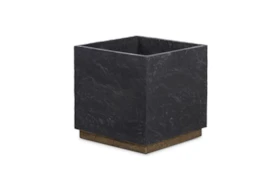
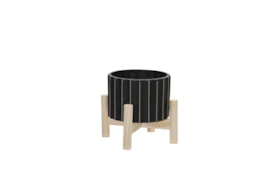
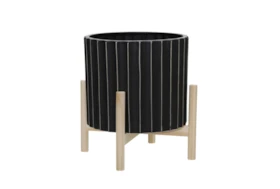
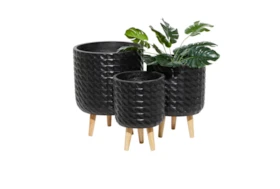

5. Use Interesting Plant Pots
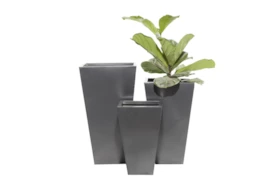
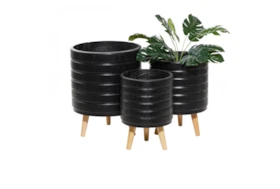
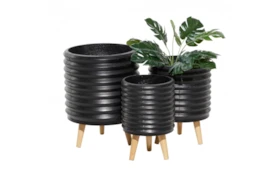
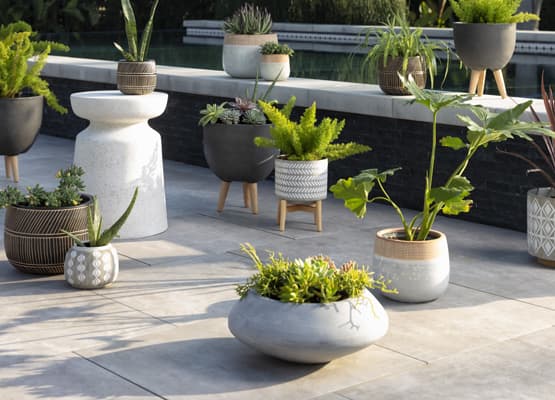
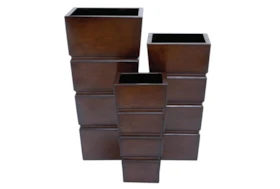
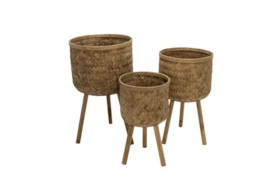
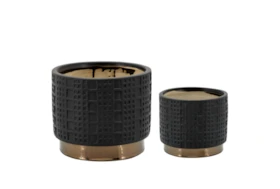
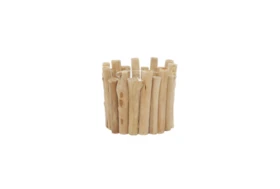
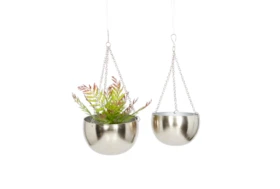
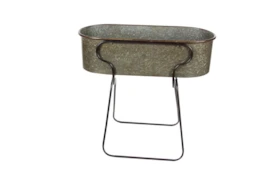
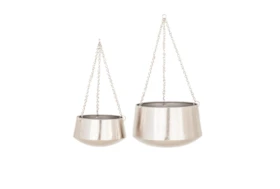
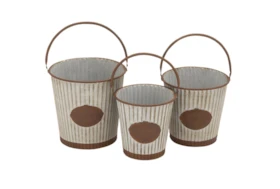
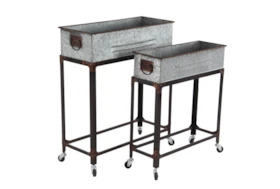
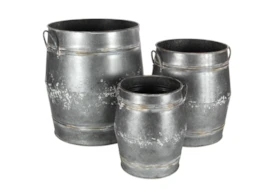
There’s no rule saying your plants need to be in the ground, so get creative. Plant them in a pretty vase you’ve found, or look for some unique plant pots. These may be used on their own or with regularly planted plants, but container plants are perfect for areas that have no real dirt.

6. Spread Out Some Rugs
Area rugs can make a lovely outdoor space come alive. Choose rugs that are sturdy and can handle the outdoor weather and light (though for some designs, you may choose to bring them in overnight and when it rains). These may be spread on the ground, or you can hang them from the fence to create a cozier space for yourself. When there are no flowers blooming, the colors on the rugs may motivate people to spend more time outdoors.





7. Get Comfy With Cushions
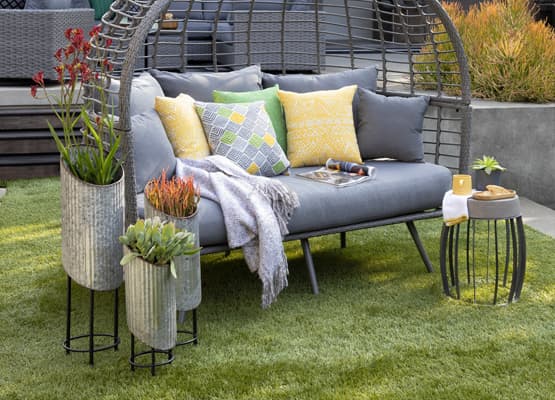
Outdoor furniture can be rather unappealing with all its hard lines and dull colors. Take the time to choose some brightly colored cushions to make the seating areas you’ve chosen really pop. Pick a few different textures and patterns for added interest.
8. Create Defined Spaces
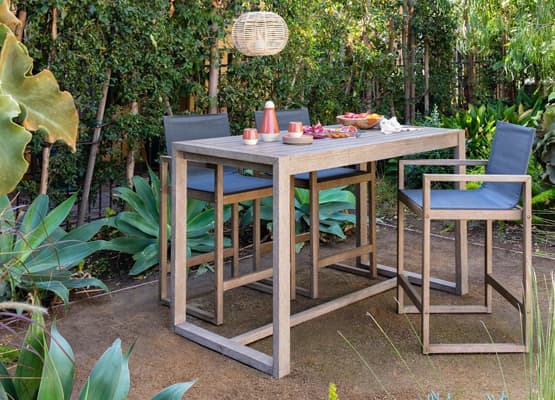
By defining the purpose of each area of the garden, you ensure every part of it will be used; consider delineating where your plants will go by putting a border around the bed. You may also use paths or concrete to determine where sitting areas are or where you wish to add play equipment.


9. Allow Organic Lines
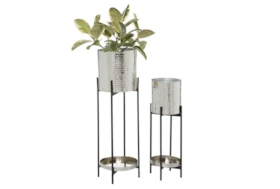
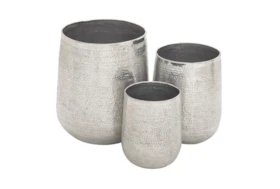
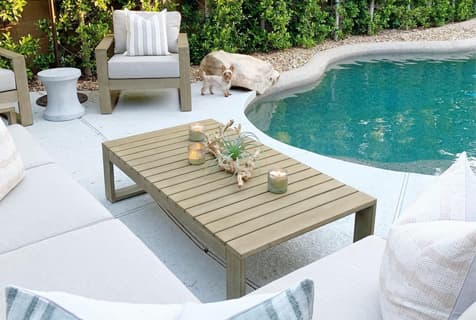
Flowing, curved lines throughout the garden will make it feel more organic. Your flower beds and ponds can follow this plan, but you can reinforce it with curved end tables or plant pots. Remember: a small garden is only small if you let it be; with an easy flow of layout, you should be able to create the space you love anywhere!
— More Great Articles —
More Small Garden Ideas
Read the Latest


Editorial Disclaimer: Articles featuring tips and advice are intended for educational purposes and only as general recommendations. Always practice personal discretion when using and caring for furniture, decor and related items.