The Best Container Gardens + Plant Combination Ideas
Container gardening is popular among people living in urban areas who may not have a garden or lawn for plants or live in a dorm or apartment with limited space. It's also ideal for people who live in cold areas, where harsh winters often cause plants to die.
The best use for placing plants in containers is as a way to help control pests, as the containers can be moved or treated separately. You can even grow fresh food in areas where you'd otherwise be unable to, either because of space restrictions or soil issues. Containers can help people in arid climates enjoy a bevy of tropical flowers planted in richer soil inside an urn or pot.
Best Container Plants
- Clusters of herbs
One of our favorite groupings for indoor gardening is planting clusters of herbs together. These plants are useful for cooking, as you'll always have fresh herbs on hand. Plus, many popular herbs also help keep your home pest-free. For example, basil, rosemary, and thyme help keep mosquitos and ants away. (This is also a delicious combination of seasonings for roast chicken!) You can plant these three herbs together in one large container or in small pots hanging from your ceiling or attached to your wall.
- Lavender and mint
You may not want your bedroom to smell like an Italian restaurant, so opt for small pots of lavender and mint, instead, to keep mosquitoes away in there. Lavender is known to help reduce anxiety and give you more peaceful sleep, making this potted herb both beautiful and useful.
- Sansevieria plant
If you're just starting your indoor container garden, a Sansevieria plant, characterized by tall, sword-shaped leaves, is an excellent choice. The plant is known for its air-purifying properties and is adaptable to all kinds of light. Another good potted plant for beginners is the ZZ plant. Like its name indicates, the ZZ plant is easy to deal with and thrives in lower lighting, making it ideal for an office, hallway, or bathroom. Try planting it with the Sansevieria plant to add interest with the height contrast between the two.
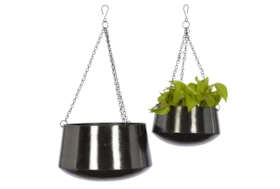
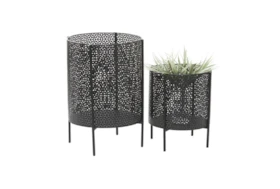
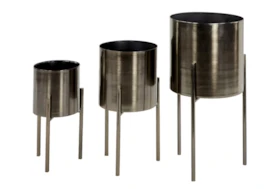
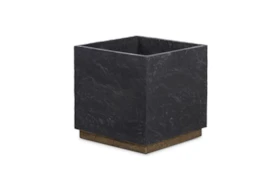

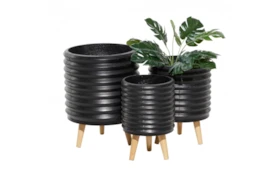
The Best Container Gardens
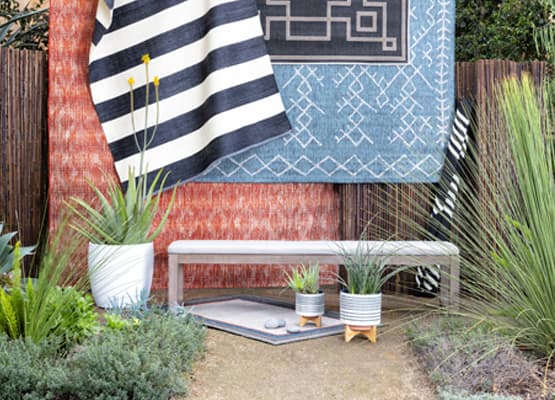
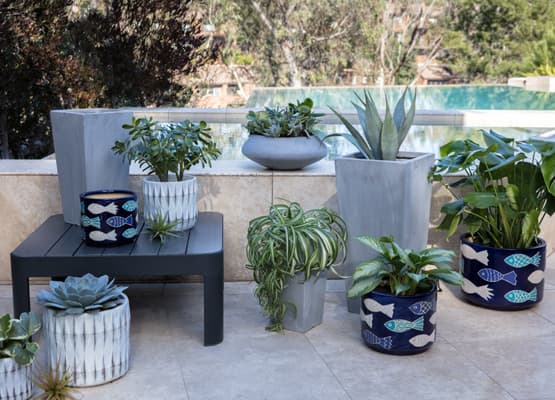
When grouping plants into one container, it's vital that you select varieties that can get along with each other and ones that aren't considered "invasive." For example, succulents, such as the Aloe and yucca pictured above, will flourish when grouped, and both thrive in the same kind of soil, with the same watering and sunlight needs, another thing to keep in mind when grouping plants together. Creating a mix of several different small succulents like these, along with drought-hardy sedum and echeveria grass, enhances the outdoor area for people living in hot, dry climates.
A combination of delphinium, geranium, and lobelia creates a delicate spray of flowers and small leafy vines, and when planted in a deeper shabby-chic style container, adds a touch of romance and whimsy to a sun porch or covered front porch.
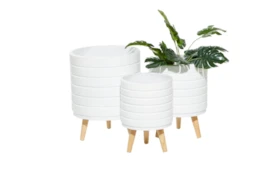

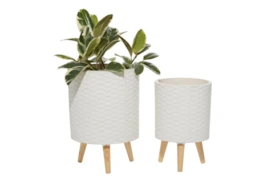
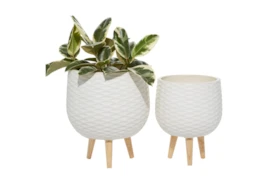
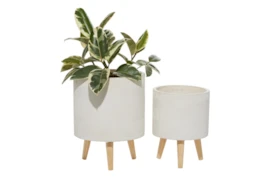
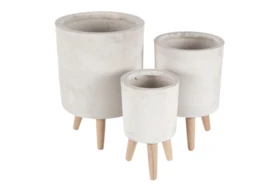
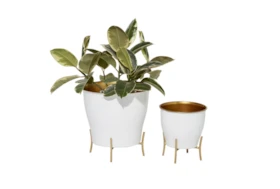
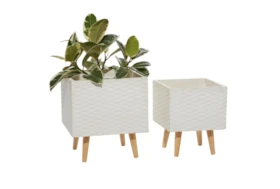
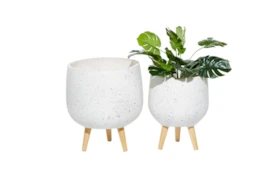
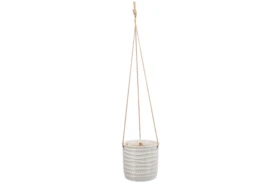


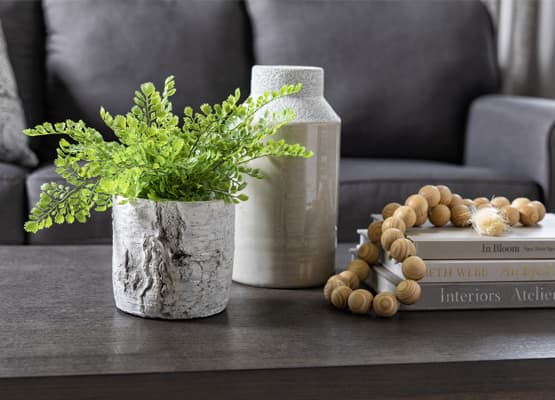
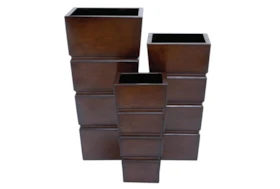

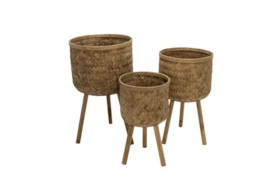

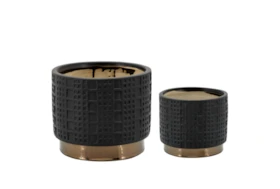
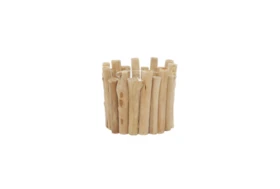



Let's Get Growing!
Whether you have limited lawn space but want to bring a little outside in, or you want a unique, bold statement on your deck or patio, container gardening is a beautiful, versatile way to surround yourself with nature. If you live in colder areas, your potted plants can survive harsh winters by coming inside, while people with scorching summers can quickly move their leafy friends into the shade. Container gardening has nearly unlimited options, both inside and out.



— More Great Articles —
For Your Herb Container Garden
Read the Latest


Editorial Disclaimer: Articles featuring tips and advice are intended for educational purposes and only as general recommendations. Always practice personal discretion when using and caring for furniture, decor and related items.