Ideas + Advice

Shopping Basics

The Ultimate Guide: What Color Rug Should I Get to Anchor and Elevate My Space?

Whether it's for your living room, kitchen, office, or patio, getting the right rug can instantly pull the space together into a cohesive style. Some interior designs experts even start with nothing but an area rug in the middle of an empty room to build off of. Your starting point could be an oriental dining room rug or small patterned rug beneath where your coffee table will be, as long as it fits the area and color scheme you have in mind.

A simple way to choose the right rug color that won't clash with existing furniture or walls

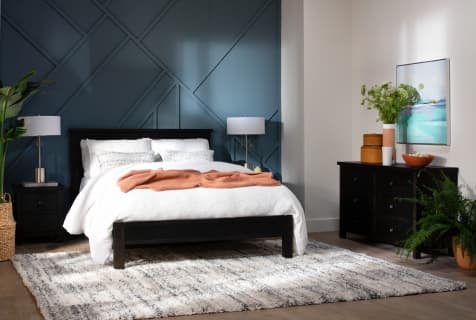
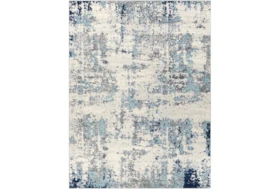
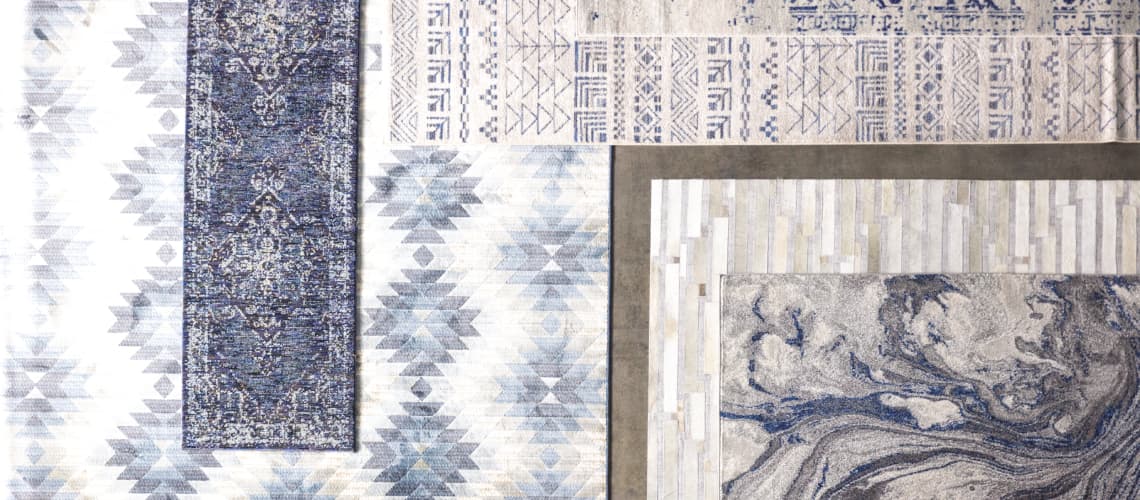
Picking the right rug color is the one that acts as the anchor and artistic bridge of your room, not the perfect match for any single piece of furniture! Instead of asking your rug to mirror your sofa or walls, ask it to coordinate with the accent colors in your art and pillows. This strategy allows the rug to pull the room's entire palette down to the floor, instantly grounding your space, creating depth, and delivering a sophisticated, confident look that feels entirely achieved.

Rugs Define Zones in Open Concept Spaces

In open layouts, rugs help visually separate seating, dining, and transitional areas. Using rugs with a consistent color palette—but varied textures—creates cohesion while still clearly defining zones.

Pattern Scale Keeps Furniture From Feeling Overwhelmed

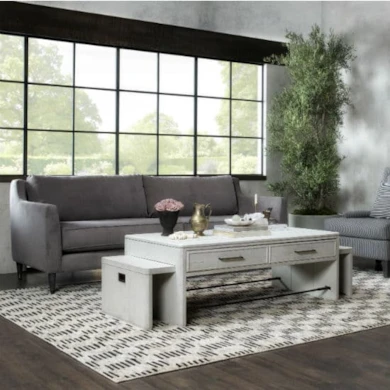
When mixing rugs with furniture, balance is key. Larger furniture pairs well with simpler rug patterns, while more subtle furnishings can handle bolder designs. Pulling one or two colors from existing upholstery into the rug helps everything feel intentional.

1. Rug Styles That Pair Well with Living Room Furniture

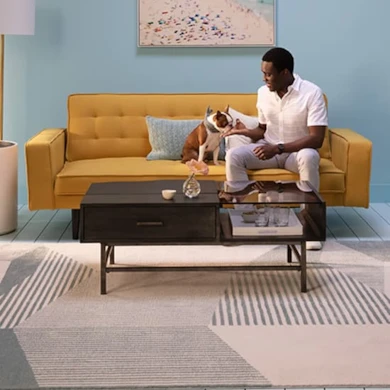
Living room rugs do a lot of heavy lifting: they define your seating area, add comfort, and pull colors together. A great approach is choosing a rug that complements your sofa and ties in accent colors from pillows or art—so your room feels coordinated, not overly matched.

  • The Sofa Contrast Test: Use the rug color to contrast your main seating.
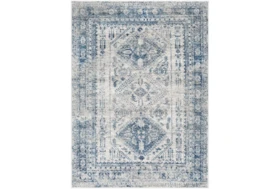
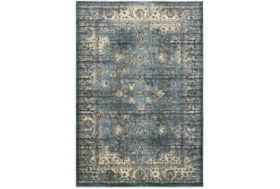
  • If your sofa is light (cream, beige, pale gray): Choose a dark, saturated, or patterned rug (deep navy, emerald, or a vintage Oriental print). The darker rug grounds the entire space, preventing the light furniture from visually floating.

2. When to Choose a Patterned vs. Solid Rug

The pattern on the rug is just as important as the color in achieving visual harmony and preventing visual monotony.

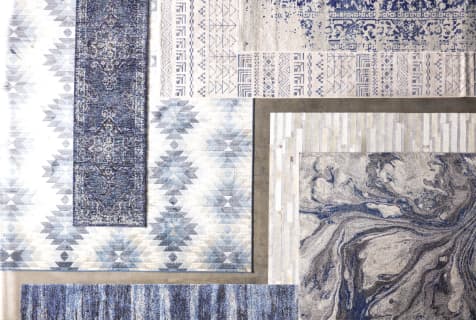
  • Patterned Rugs (Great for Solid Furniture): If your sofa is a solid neutral color and your walls are plain, a patterned rug adds necessary energy and depth. Vintage or distressed Persian-style rugs are phenomenal for this, as their complex patterns naturally hide wear and tear in high-traffic areas, offering both beauty and practicality.
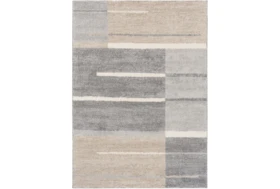
  • Solid/Tonal Rugs (Great for Busy Decor): If you have patterned pillows, brightly colored art, or boldly textured furniture, choose a solid-colored or subtly tonal rug. Look for texture (like a chunky weave, shag, or high-low pile) within a single neutral color (like ivory or soft gray). This keeps the floor clean and quiet, allowing your art and accessories to truly shine.
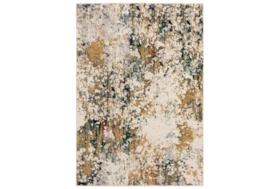
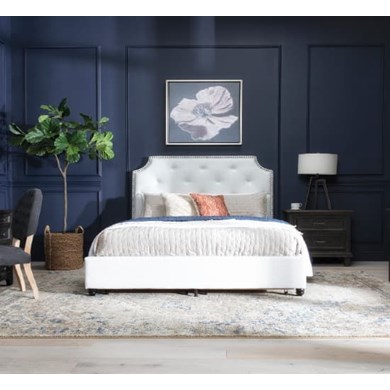
  • The Color Bridge: Look at your accent pieces—the secondary colors in your throw pillows, wall art, or decorative accessories. Your rug should include at least two of these smaller, existing colors. For example, if your art has rust orange and dusty blue, find a patterned rug that features both those colors to create a seamless color flow throughout the room.
  • Apply the 60-30-10 Rule: In this classic decorating formula, the rug usually occupies the 30% slot (the secondary color). This means it should complement the walls (60% dominant color) and set the stage for your small accents (10% pop color).

3. Don't Forget Texture: The New Color

In modern design, texture often provides the visual interest that used to come from loud color. Embracing natural fibers and varying piles can make a neutral rug feel incredibly rich and warm.

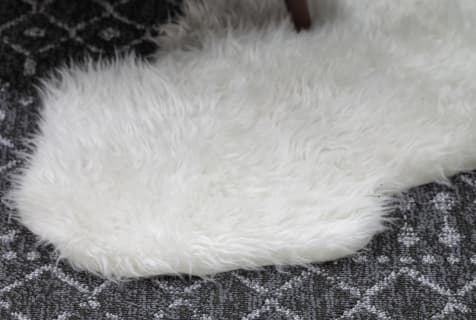
  • Layering for Depth: Place a durable, flat-weave natural rug (like jute or sisal) underneath a smaller, softer rug (like a faux sheepskin or high-pile shag). This layered approach adds incredible softness underfoot, creates texture-on-texture contrast, and makes the whole area feel immediately welcoming.
  • Practicality Matters: For dining rooms or high-traffic entryways, choose a low-pile or flat-weave material like wool or a washable synthetic blend. Darker colors or complex patterns are also masters at disguising dirt and spills, giving you confidence in your choice!
  • Try Before You Buy: Color looks completely different depending on the natural and artificial light in your specific room. Always bring home samples or request swatches of the rug color you're considering, and view them in your space during the day and at night before making the final commitment.