How Much Is a Mattress?
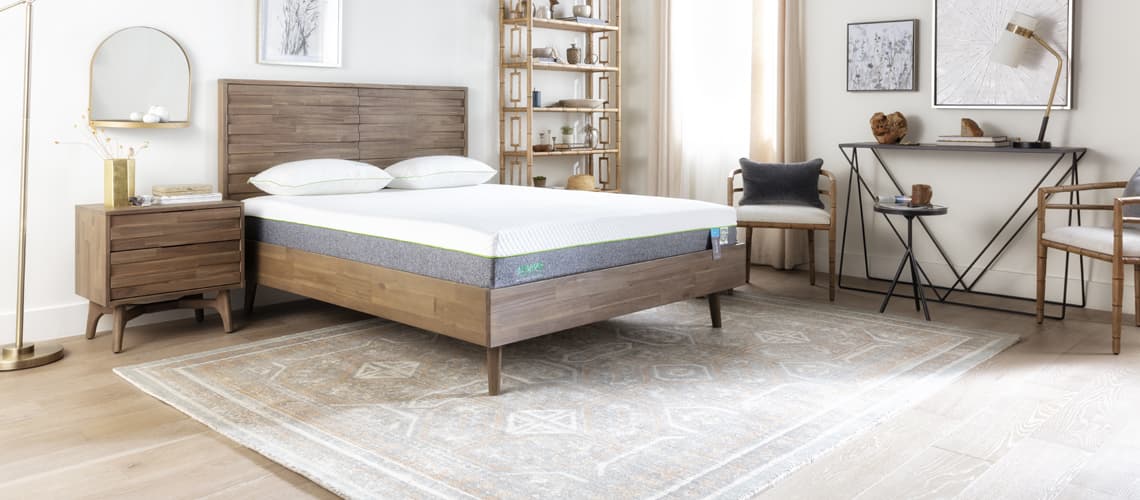
Whether you’re buying a mattress for the first time in your life or browsing mattress prices for the first time in years, you may be wondering: how much is a quality mattress and how much can I reasonably expect to pay for one? Here, we’re answering these questions and more about mattress pricing.
How much does a mattress cost?
An average price for a mattress is between $250 and $1500. There are, however, variables that can affect this price range – including mattress type, size and brand.
The most affordable mattresses will be the smallest, so if you don’t want to spend more than a couple hundred dollars on a quality mattress, your options will really only be limited to Twin and Twin XL sizes. Mid-size mattresses will have mid-range prices, as the average mattress pricing for Full is usually around $400 (give or take, depending on quality, brand, mattress material, etc.). While Queen mattresses aren’t the biggest size, the industry standard tends to kick up the prices (an unfortunate side effect of the high demand of Queen size mattresses; since Queen tends to be the most popular of all, you can expect prices to range anywhere from $300 to $1300). King and Cal King sizes will come with the highest price tag, with the average usually a couple hundred dollars more than a Queen.
All of these prices are estimates, and individual mattress pricing will vary greatly depending on the type of mattress (memory foam costs more than innerspring) and quality (quality memory foam costs more than cheap memory foam).
What goes into a quality mattress?
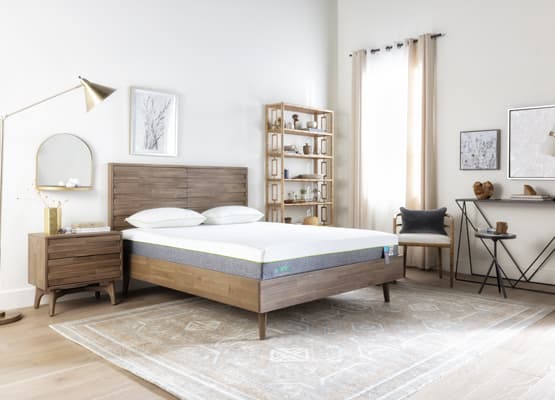
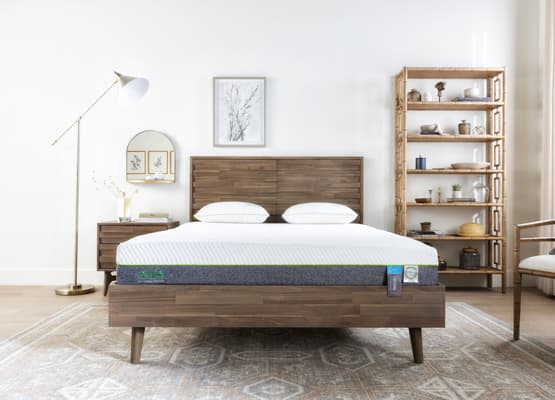
If a mattress’s price looks too good to be true, it either is too good to be true, or it’s just a really great value. Either way, you’ll need to research the contents of the mattress, the craftsmanship and the brand. (Looking into reviews of a mattress before buying can also help you gauge quality.) Since buying blind is never a good idea, keep reading to learn about the good types of mattresses – and the cheap ones to avoid.
- Quality mattresses will have more than one layer. They’ll also be thicker (and taller). An average height for quality memory foam mattresses is 11 inches, and an average height for quality innerspring mattresses is 13 inches. The more layers of memory foam, the more evenly it helps to distribute your weight; in an innerspring mattress, the bigger the innersprings, the more supportive the mattress.
- Cheap mattresses will look and feel thin. A memory foam mattress that is less than five or six inches usually means that the mattress doesn’t contain enough memory foam layers to evenly distribute your weight. An innerspring mattress that is less than seven or eight inches usually means that the springs aren’t large enough for support.
Quality mattresses vs. cheap mattresses
If you’re unsure about a cheaply-priced mattress, the best way to know for yourself whether it’s a score or a bad investment is to feel the mattress for yourself. When you visit it in a showroom, take your time. Make sure you spend enough time lying on it to get a sense of how the mattress feels under your body weight and to mimic the feel of sleeping on it. (Lie on it in the same position as you sleep – on your side, stomach or back.) Signs of a quality mattress can include little to no sinking; when you lie on the mattress and sink so far that it’s hard to get back out, you’re dealing with poor quality. On an innerspring mattress, listen for squeaking, which isn’t necessarily a sign of a poor mattress but is a sign that the mattress doesn’t use pocketed or encased coils (a modern tactic devised to silence innersprings).
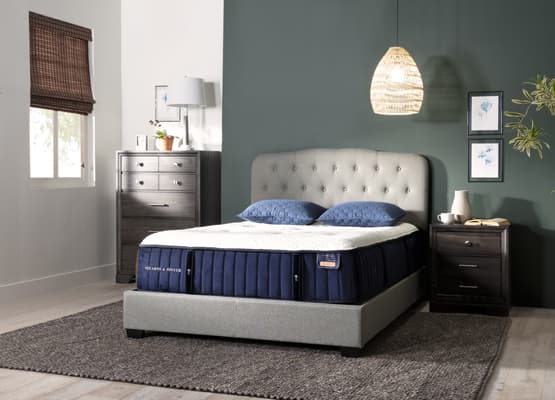
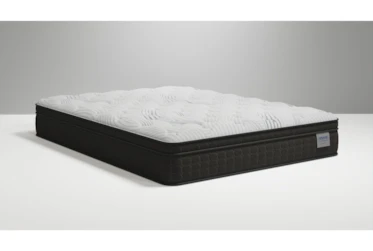
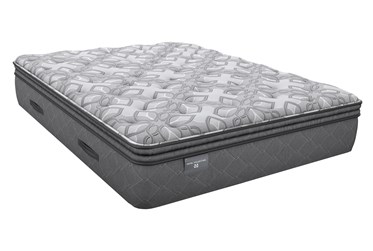
Features that can raise the price of a mattress include pillow top layers (a cushioned layer at the top of the mattress, often filled with cotton or fiber fill) for a plusher feel, motion separation (which reduces the spread of motion across a mattress if you share a bed with a partner) and cooling tech (temperature-regulation for hot sleepers).
How much should I spend on a mattress?
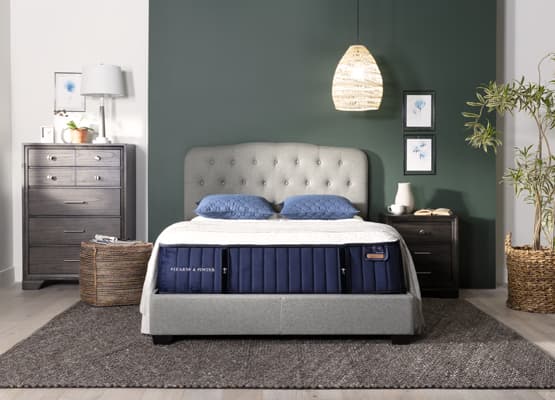
For most of us, a magic number solves a lot of problems – most notably spending time researching and comparing price points. Unfortunately, there is no magic number. A lot of factors determine the price of a mattress. In fact, the best way to make sure you’re getting the best mattress is to ignore price points altogether and focus on the quality of the materials and design used.
If you’re pining for a number, consider averages by size. The average price for a Twin and Twin XL mattress starts at around $300; Full and Queen, $400; and King and Cal King, $600.
When budgeting for a mattress, one thing to keep in mind: there’s no such thing as just a mattress! Without a quality foundation, sturdy bed frame and mattress protector, there’s no guaranteeing that your mattress will provide you with the best possible sleep. (Out of these, a mattress protector is the most important investment, if you have to choose just one). If you don’t already own each of these things, make sure to budget for them when picking out a new mattress.
Mattress as investment
Finally, a mattress shouldn’t be something for which you try to pinch pennies. Nothing is worth more than quality sleep; quality sleep affects every area of your life, from your work to your relationships to, most importantly, your health. If you have the means, by all means it is better to spend more on a higher quality mattress, and reap the benefits long-term. So, save the penny-pinching for your weekly grocery runs – a bag of chips on sale is always a good time and won’t, unlike a mattress, affect every other area of your life (at least, we hope not)!
A quality mattress investment will usually last you for a decade or longer. Take the extra care to look into the warranty it comes with, and always use a mattress protector to keep moisture and dust away – and help keep dust mites from sleeping right along with you. It’s been said before but we’ll say it again: if you wake up tired and toss and turn throughout the night, investing in a comfortable mattress will be one of the best decisions you’ll ever make.
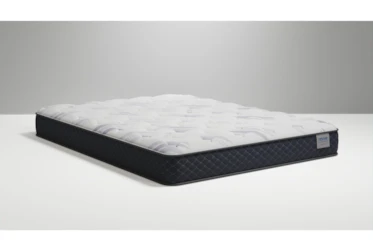
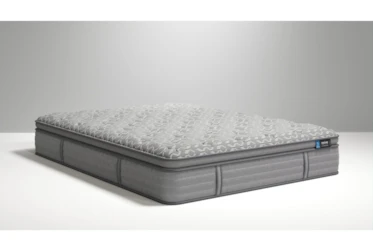
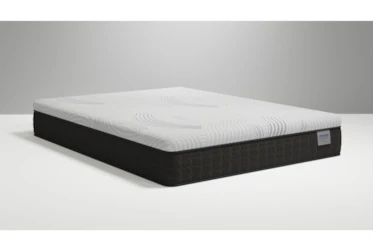
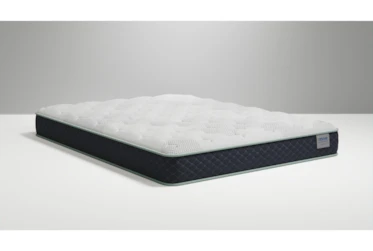
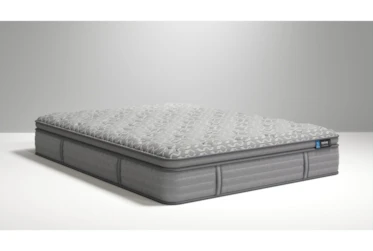
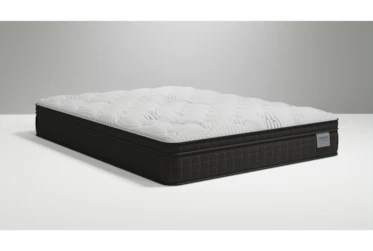
Browse Mattress Prices















— More Great Articles —

Compare Mattress Prices
Read the Latest


Editorial Disclaimer: Articles featuring tips and advice are intended for educational purposes and only as general recommendations. Always practice personal discretion when using and caring for furniture, decor and related items.