How to Fix a Sagging Mattress (& Make It Feel New Again)
How to Fix a Sagging Mattress . . .
Follow these steps to help fix a sagging mattress. (Your back and well-being will thank you!)
1. Swap out your foundation.
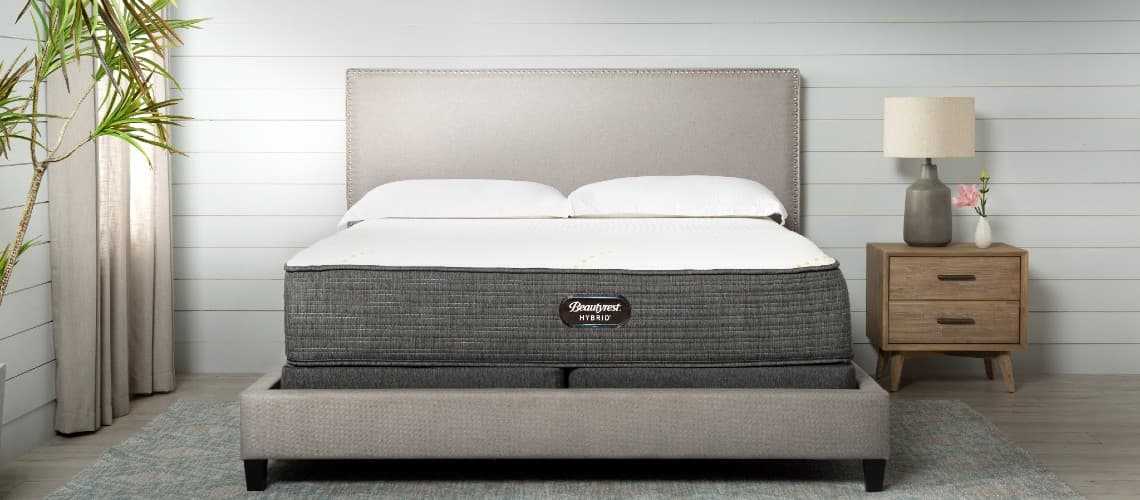
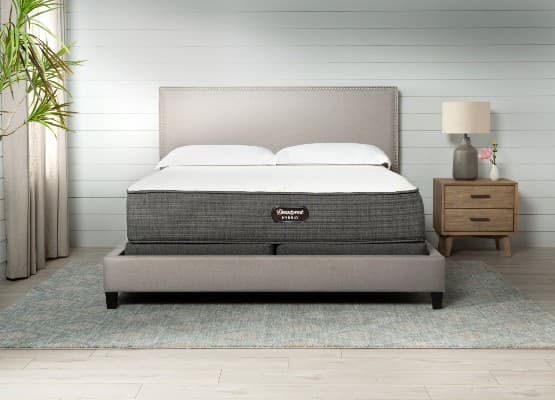
Before you get to the tangibly comfy stuff (i.e., step #2), a thorough examination of your complete bed is a priority. A lot of the times, a mattress topper is the first thing people will buy for sagging, but if the bed foundation is the wrong size, wobbly or itself starting to sag, the mattress topper will be of no use. If you notice your foundation is smaller than the mattress (even by a few inches), replace it with a correct-sized foundation immediately – you’ll surely notice the results in no time at all.
2. Get a mattress topper.
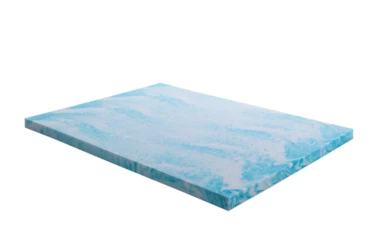
After a solid foundation, a good mattress topper is a great way to spruce up the life of your mattress. The great thing about mattress toppers is that they are available on the cheap, so if your mattress is starting to show signs of premature aging before you’re ready to buy a new mattress, restoring its support and comfort doesn’t have to be out of the question. The other great thing about toppers? They come in a variety of firmness levels, so you can choose one to match the original mattress’s support – for a fraction of the price.
3. Rotate your mattress.
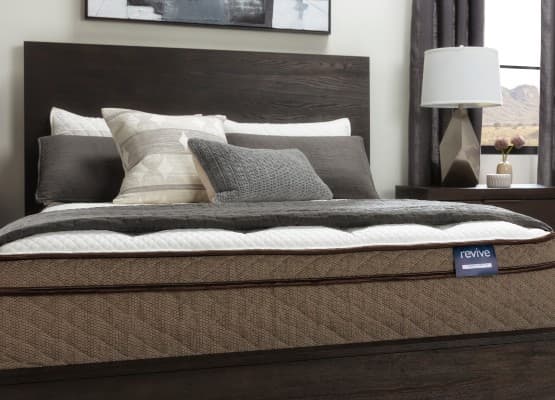
Rotate your mattress so that where your head normally goes now, your feet will go, and vice versa. Most of the time, mattress sagging comes from the area where weight is the most concentrated. If you sleep on your side, the biggest pressure points are the hips and shoulders – so much so, that they can dig into the mattress, leaving, over time, indentations (a.k.a. sagging). Rotate your mattress 180 degrees to give your pressure points a firmer sleeping surface (and to give the previously sagging area a chance to breathe). This is critical especially if you sleep on your side, as side sleepers’ pressure points often have the biggest impact on mattress firmness.
4. Flip your mattress (if you can).
Most mattresses sold today can’t be flipped (because they are not designed to be flipped). If you have an old innerspring mattress that can be flipped, you should do so to help distribute the fill and contents more evenly. (Just make sure, when flipping, to enlist the help of a friend; the last thing you’ll want is to strain your back, which is more than probable when attempting to move an object as large and heavy as a mattress on your own!)
5. Make sure your bed frame is sturdy.
Just as you would check the foundation, check the bed frame. The bed frame is often a place most of us keep ‘out of sight, out of mind,’ but can also be the biggest culprit in how a mattress feels. When checking the frame, examine the legs and slats (if it has any) and base for any weak or broken spots. If worst comes to worst, it’s better to sleep without a broken or weak bed frame, sleeping on a foundation alone, than to suffer compromised support with one.
. . . + Tips for Preventing a Mattress From Sagging
Prevention is the best cure – follow these tips to help keep a new mattress from sagging.
6. Don’t allow children to jump on the bed.
If you just bought a new mattress, the best way to keep it in top shape is to treat it gently. Don’t allow kids to jump on the bed (no matter how antsy they are) and refrain from using your bed as a daytime sofa. The less time you spend on your mattress, the more it gets a chance to breathe and regenerate its shape, the less pressure it will have to bear, and the longer it will maintain a flat and supportive surface.
7. Make sure your foundation is the right size.
From the get-go, it’s essential that you get the proper foundation. Don’t let anyone convince you that you can get away with a foundation that’s smaller than your mattress – that is not a thing and in most cases voids the warranty. If you already have a foundation and are bringing home a new mattress, don’t assume the foundation will work; inspect it carefully for loose slats or a sagging middle before pairing it with a new mattress. (Also examine your bed frame for loose bolts; an old metal bed frame can look ‘good enough’ but provide horrible support. If you’re in doubt, it’s better to spend a little extra than to suffer a sagging mattress in your future.)
8. Make sure you’re getting a mattress with a warranty that covers sagging.
Many mattresses come with warranties that cover extreme sagging. Check the warranty before you buy, and use it for later – when you need the rescue. (Remember that most warranties are voided if you don’t use the right kind of foundation!)
9. Regularly rotate your mattress.
Regular mattress rotation, even when your mattress isn’t yet sagging, goes a long way. Once a year is a good timeline; if you share a bed with a partner, every six months. Even if your mattress isn’t visibly sagging on the surface, it could be on the inside, and regular rotation gives the impacted areas relief and restoration.Banish Sagging with Supportive Designs

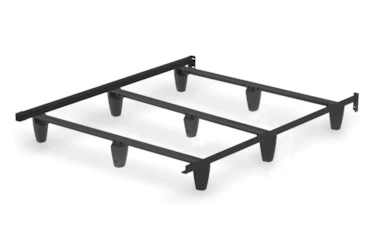



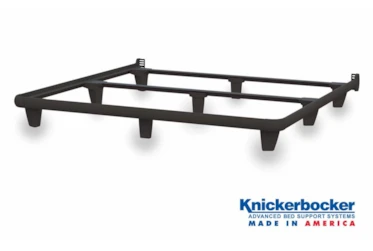
Revive Steel Frame With Rollers Qn/Ck/Ek 6-Leg/Center/Glide
$95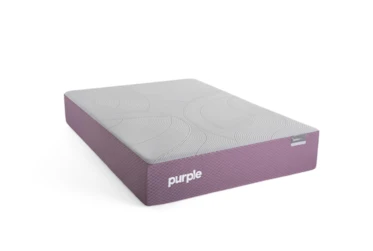




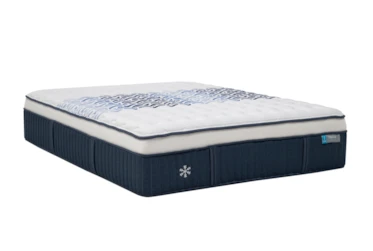

Revive Cooltek Copper Springs Firm Euro Top 15.5" King Mattress with Memory Foam and Cooling
$1,995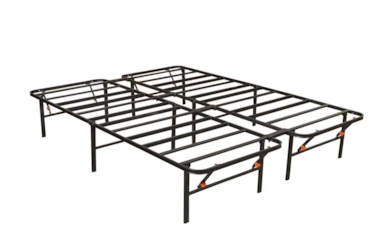
Revive Bedder Full Shippable Base
$175
Revive Headboard & Footboard Frames Q/Ek
$115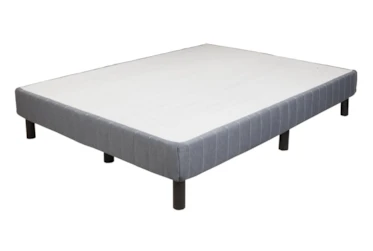
Revive Enforce California King 14" Foundation
$515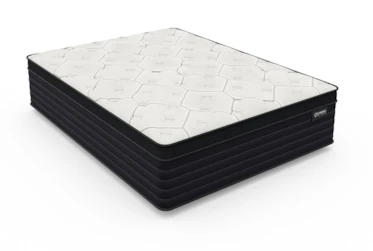

Read the Latest


Editorial Disclaimer: Articles featuring tips and advice are intended for educational purposes and only as general recommendations. Always practice personal discretion when using and caring for furniture, decor and related items.