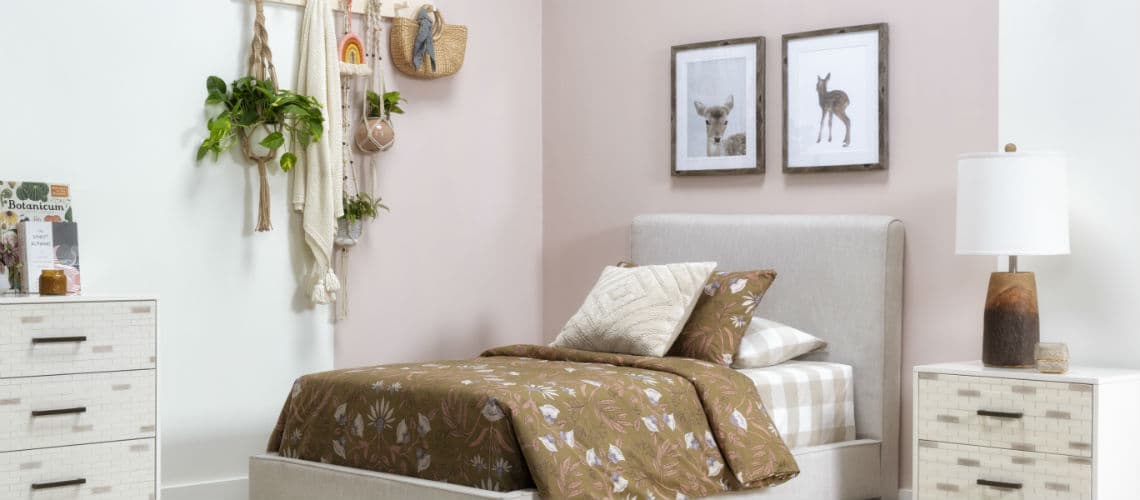
How to Hang Plants From a Ceiling

Choose small plants.
The bigger the plant, the bigger the planter you will need – and the heavier the load the ceiling will have to bear. Even if you invest in a solid anchor for your ceiling hook, a lighter planter/plant will ensure the safest arrangement. Once you've found small-sized plant(s) (if you can’t hold it with one hand, it’s probably too big), you’ll need a case for it. The good news is that planters designed for hanging are hot right now, so you’re bound to find a design you love. Make sure the planter you choose doesn’t have drainage holes – or else you may find “rain” dripping from your ceiling!Get Ready for Installation
You’ll need supplies before you get started. If your ceiling is a drywall or isn’t “solid” (a.k.a not made out of a solid wood plank), you’ll need to purchase an anchor or a stud for safety – and to ensure the drilling won’t bring down the house! (Another alternative is a swag hook for a drywall ceiling; these are available at most hardware stores and are designed to “anchor” a hanging planter.) Other tools you will need include a drill, drill bit, ladder and safety goggles.
Use a Stud Finder
If you’re working with drywall and plan on using a swag hook, you’ll need to make sure that the place you drill into isn’t solid. To do this, you’ll need a stud finder – a convenient tool that “alerts” you whenever it detects a mass(or a solid plank) behind a wall (or in this case, ceiling).
Install the Hooks
Once you’ve mapped out where you are going to drill the hook (if you have more than one hook to install, it’s recommended that you mark the exact spots on the ceiling where you plan to hang them), it’s time for installation. First, drill the pilot hole. As always when drilling something for installation, it’s best to make sure the screw is a tad bigger than the pilot hole to ensure a secure fit.
If you’re using a swag hook, push the winged-clip end first into the hole. This should enact the wings to anchor; pull it back down towards you to make sure it’s secure.
Hang Up Your Planters
Now it’s time to hang up your planter. If the planter doesn’t come with a chain or strap (but is designed for hanging), then you’ll need to secure one (rope is another durable option and a popular one for hanging plants). If it does come with a hanging mechanism, check for adjustability; you may be able to lengthen or shorten the height from which it hangs.
Sit Back and Enjoy!
Congratulations, you’ve just hung a plant from a ceiling! As with most home improvement projects, this one gets easier and easier with practice – the perfect excuse to grow your hanging planter collection!
How to Hang Plants on a Wall
Looking for a project that’s a little less daunting? Consider hanging a planter from a wall. It’s the same process as outlined above – but much easier, and still brings the same “eclectic-boho” charm as hanging a plant from a ceiling. You’ll still need a drill, drill bit, stud finder and a hook, but you won't have to worry about working from the top of a ladder!
How to Water Hanging Plants
If you’re wondering how the heck is one supposed to water a hanging plant? – there’s a simple solution: drainage trays. These trays often come with hanging plants or can be purchased at a hardware store. They can connect to the bottom of the planter to catch water and disconnect when full. Of course, you can also hang succulents in non-drainage planters, as long as you choose a plant that’s able to survive on minimal water – and keep the watering to a minimum.— Chic Ways to Hang Plants —
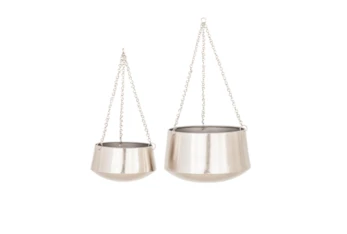
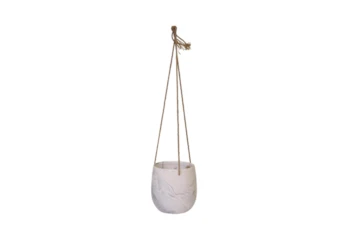
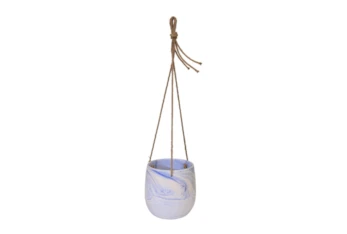

— For the Plant Parents —


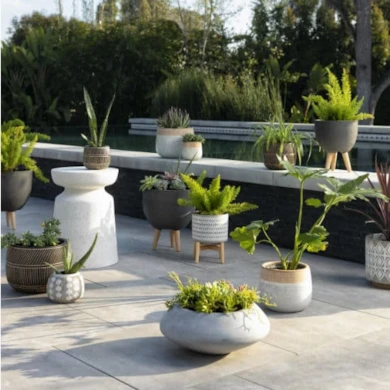
Little Homes for Your Plants
Read the Latest



Editorial Disclaimer: Articles featuring tips and advice are intended for educational purposes and only as general recommendations. Always practice personal discretion when using and caring for furniture, decor and related items.