What Is Faux Leather? (What Is Faux Leather Made Of?)
What Is Faux Leather?
When searching for the perfect leather upholstery, you'll run into three main types: genuine, bonded and faux leathers.
Genuine leather is made from animal hides and is difficult to work with, driving up the cost. Bonded leather material mixes scraps of leftover genuine leather and "binds" it with plastics or paper.
The word "faux" means artificial or "made in the likeness of." Faux leather is imitation leather made from a plastic composite base and then covered with wax, polyurethane, or dyes to create a genuine leather appearance.
Manufacturers use faux leather in upholstery, footwear, and clothing. It's more cost-effective than genuine leather and easier to manipulate. Because it's manmade, faux leather has a more uniform appearance than genuine leather made from natural animal hides.
Benefits of Faux Leather
Faux leather is more cost-effective than genuine leather. Since it's manmade, faux leather is considered an upholstery option made without the use of animal products.




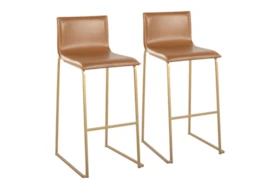


Keep In Mind
Ultimately, your choice in upholstery will come down to personal preference, but here are a few more things to keep in mind regarding faux leather options. As far as durability and cost, faux leather lands somewhere between genuine and bonded leathers.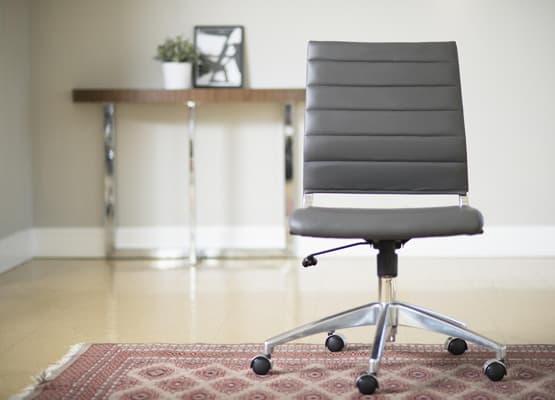
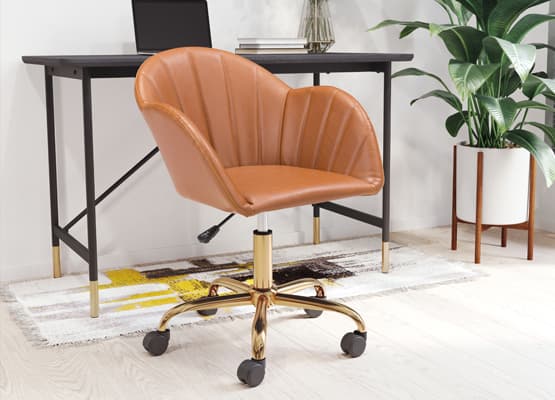





Endless Design Options
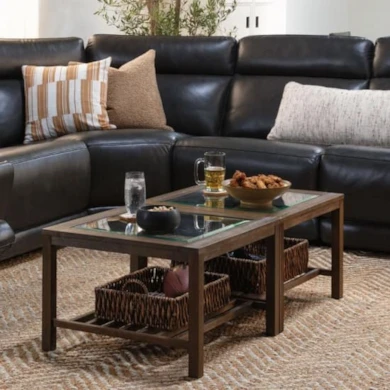
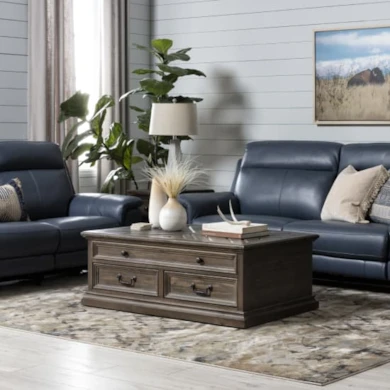
- Trunks and Tables: Designers cover functional pieces like storage trunks and ottomans with faux leather. Color choices and shades are endless with statement pieces, and these pieces can make a true visual impact. Some end tables and other hard furnishings mix faux leather design elements with wood or steel to create a mixed-material masterpiece.
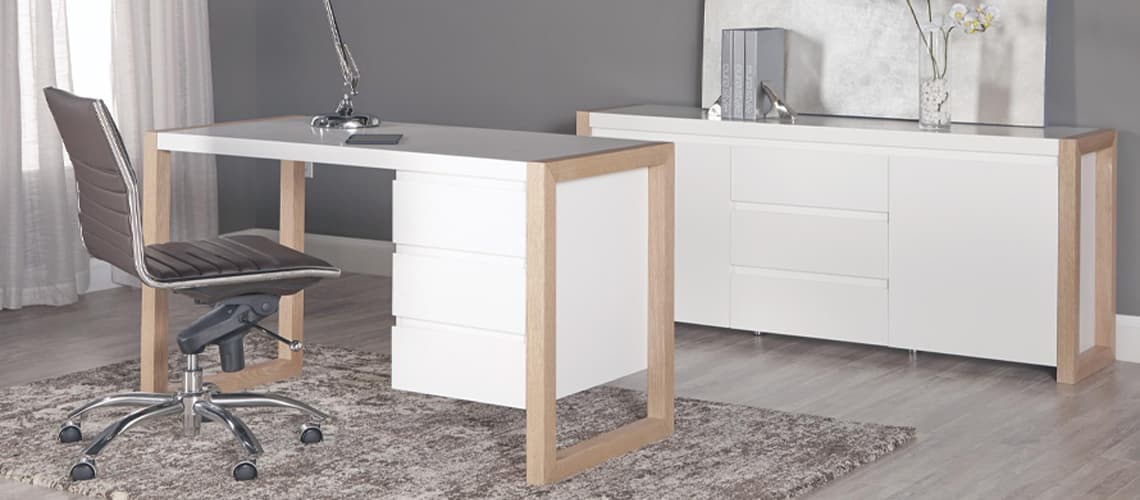
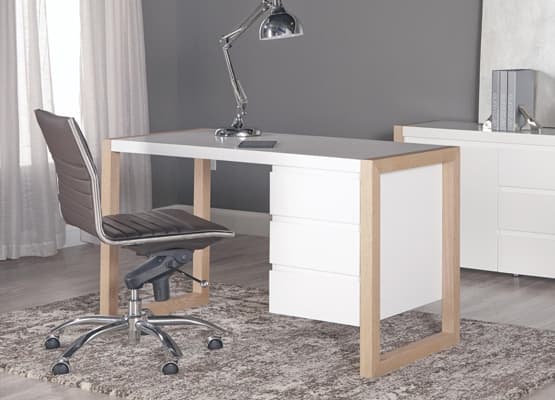
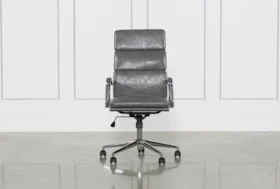
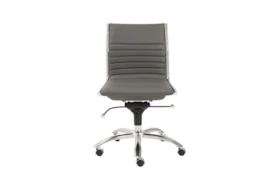
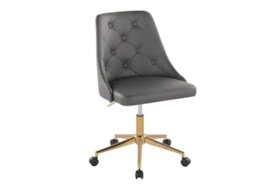
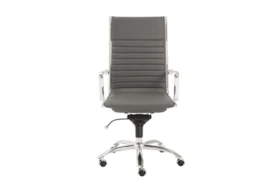
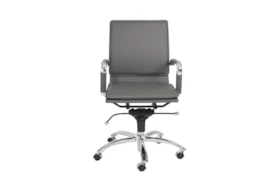
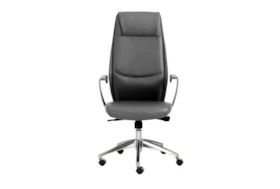
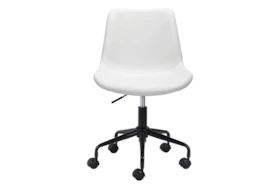
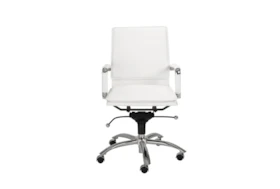
- Seating: Bar stools, dining room chairs, and office chair options are abundant in the faux leather department. The material is easy to wipe clean and holds up to hours of use.
- Sofas, Sectionals, and Chairs: Most often found in neutral browns, beiges, and grays, faux leather seating options bring an air of sophistication to your living space, no matter if you're furnishing a cozy cabin or after a more modern design vibe.





— More Great Articles —


Faux Your Consideration!
Read the Latest


Editorial Disclaimer: Articles featuring tips and advice are intended for educational purposes and only as general recommendations. Always practice personal discretion when using and caring for furniture, decor and related items.