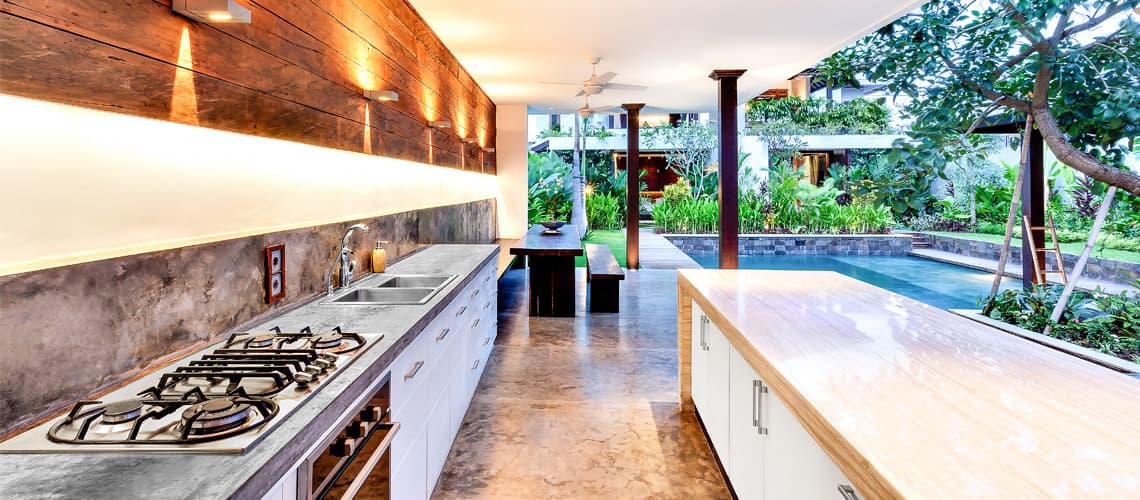
What Is Biophilic Design? (+ 4 Key Principles)
Key Principles of Biophilic Design
Considering the many potential benefits of integrating nature or natural scenes into home design, it's worth taking a look at the different principles of biophilic design.
1. Repeated and Sustained Engagement With Nature
This principle suggests that biophilic design should focus on creating repeated and/or sustained engagement with nature. This could be achieved by increasing the size and number of windows in your home. It could also be beneficial to place plants and trees outside the window to enhance the overall presence of nature. Placing plants and trees around the house could also be a great way to create this effect.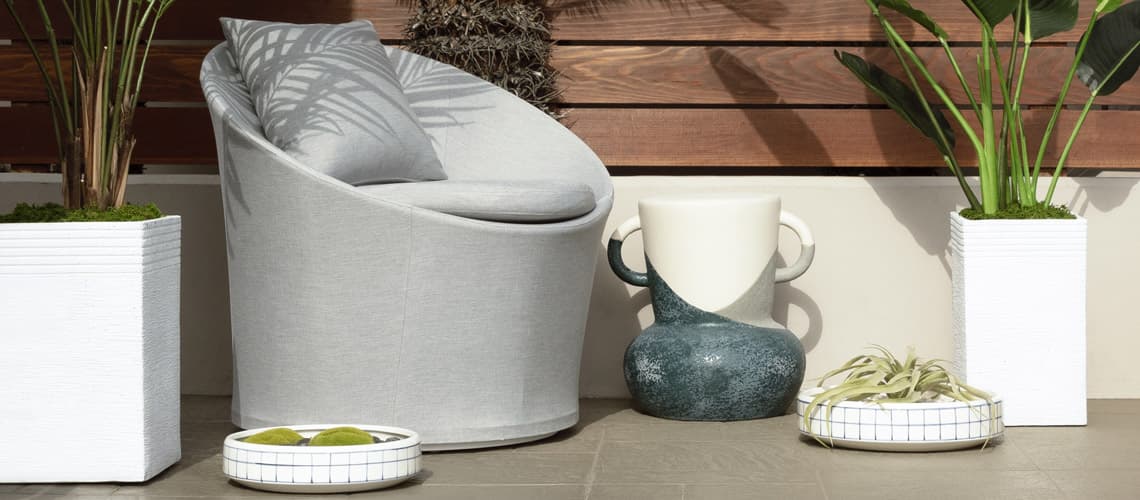
2. Encourages Emotional Attachment to Particular Settings and Places
After increasing exposure to natural cues, part of the biophilic concept involves developing an emotional attachment or relationship to the space in question. This involves invoking a sense of appreciation for the natural sentiment that you've created and making happy memories there.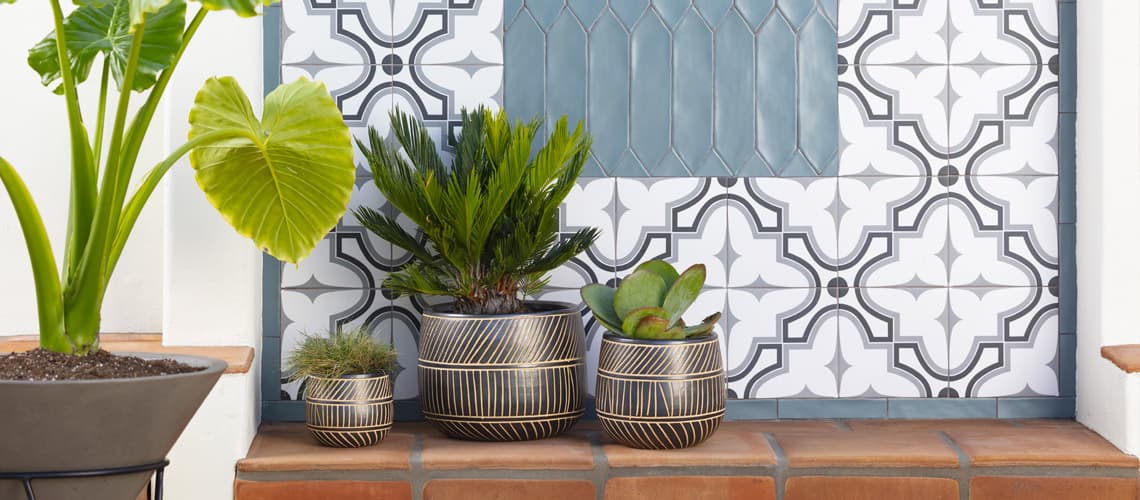
3. Promotes Positive Interactions Between People and Nature
While emotional attachments may be positive or negative, it's important to focus on promoting positive interactions between people and nature. Within home design, this could be achieved by regularly attending to your plants and ensuring that they also stay healthy. This way, you can benefit from them while also supporting their health within your home.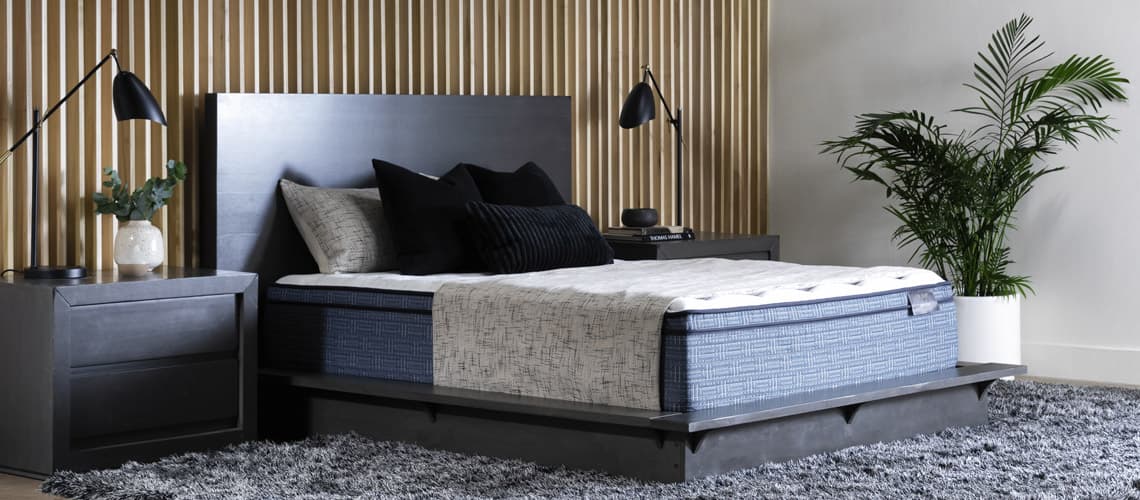
4. Encourages Mutual Reinforcing and Integrated Design Solutions
The more integrated and interconnected your home design is with nature and natural cues, the better. This can result in multiple health benefits, including lower blood pressure, physical fitness, and fewer instances of illness.
- Direct Experience of Nature. This involves promoting and enhancing your experience with natural elements. This could include increases to air flow, natural light, plants, and water.
- Indirect Experience of Nature. This can be achieved by mimicking natural colors and patterns inside your home. You might decide to choose a very natural-looking wallpaper or add a lot of greens to your interior design.
- Experience of Space and Place. This is the idea of focusing on how you experience your home as a place of refuge but also connecting with the historical and cultural aspects of your region. This can enhance your appreciation for the natural aspects of where you live.
Increasing exposure to water in the home can be trickier than simply increasing air flow, shades of green or plant life. However, luckily there are many creative ways to tackle this and having that in-home exposure to water can be extremely relaxing and even therapeutic. Investing in a nice water fountain is a great way to feature water as part of your biophilic home design.
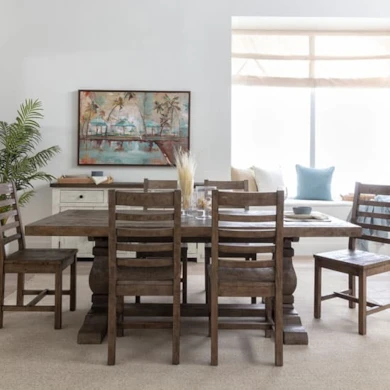
The idea that humans have an intrinsic biological connection with nature might seem obvious. However, modern life has seen a gaping disconnect between humans and the natural environment. Increasing the biophilic design of your home will coincide with a wide range of scientifically proven health benefits. Shop now for quality home furniture to increase the natural-feel of your home or office space.

— More Great Articles —



Decor for the Biophilic-Minded
Read the Latest


Editorial Disclaimer: Articles featuring tips and advice are intended for educational purposes and only as general recommendations. Always practice personal discretion when using and caring for furniture, decor and related items.