Guides
What Is Bamboo? Nature's Sturdy Material, Explained
Bamboo is one of the sturdiest building materials by weight and is actually considered a grass rather than a tree. While its strength is similar to that of lumber, bamboo is light enough to be used throughout the house whether that be as dinnerware or new furniture.
Overview
Boasting a high resilience to environmental changes, bamboo can be found in various regions of the planet but prefers tropical climates with plenty of warmth and moisture. Durability is one of bamboo's most sought after traits, proving to be a capable outdoor material. Suspension bridges made from twisted bamboo have been found in China and India and date back as far as 960 AD. The Philippines is home to nipa huts, a basic housing solution created from bamboo slats and woven bamboo fibers.
Being made of the same material means repairs and new construction are more streamlined with established practices and structural limits. Bamboo is still used today as scaffolding and construction material in parts of the world, but primarily finds a place as hand-made furniture and accessories. Even Japan, which has an abundance of natural bamboo, has seen the material turn into more of an accent for a home rather than a base material. Bamboo gardens, chairs, tables and even water features are mainstays in these regions.
Thanks to the extremely rapid pace at which bamboo grows, cultivation of the grass for construction purposes takes as little as five years. Bamboo sprints towards full maturity and strength with some species growing by up to three feet every single day, about an inch and a half per hour. The gentle creaking of the plant's growth can be even be heard on audio recordings to showcase just how quickly each bamboo shoot turns into full-sized stalks.
The Popularity of Bamboo
Such a high level of sustainability paired with bamboo's uncanny ability to grow in otherwise unusable land has made it an eco friendly option around the world. Fisherman are returning to bamboo poles for extra strength and flexibility, textile companies are using the fibers to make items such as scarves and manufacturing plants are finding more ways to incorporate bamboo into their current production.
Bamboo furniture that has been passed down for generations is now sitting beside brand new bamboo pieces thanks to this surge in popularity at both the consumer and commercial levels.
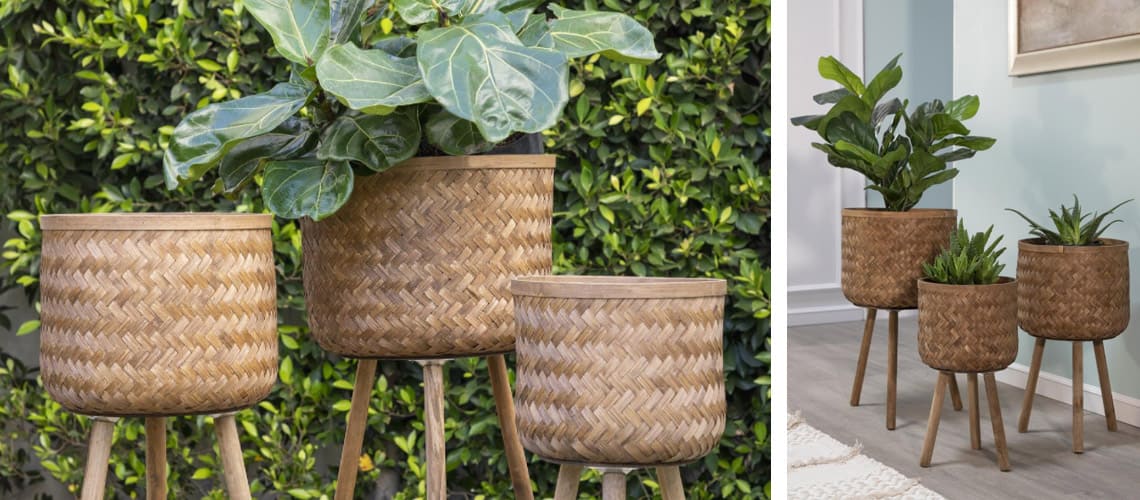
The sheer number of uses the bamboo plant has can put other materials on the hot seat when it comes to reducing production waste. Even from the beginning, bamboo shoots can be prepared and eaten on their own if necessary, but most chefs acquire the bamboo taste by cooking in bamboo kitchenware. The tall stalks were once broken down into small strips to be written on before paper was widely available but these strips now serve as plates and trays within the home.
Backyard patios can benefit from integrating bamboo.
Bamboo flooring is another common use for the plant still in practice today. Rolled mats can be purchased and spread out as area rugs or to cover the entire surface area of the floor below. Outdoor enthusiasts have likely seen bamboo mats used on camping trips or at the beach as a lightweight solution to damp grass or hot sand respectively. Backyard patios, decks and porches can all benefit from integrating bamboo into the scene for both aesthetic and practical reasons.
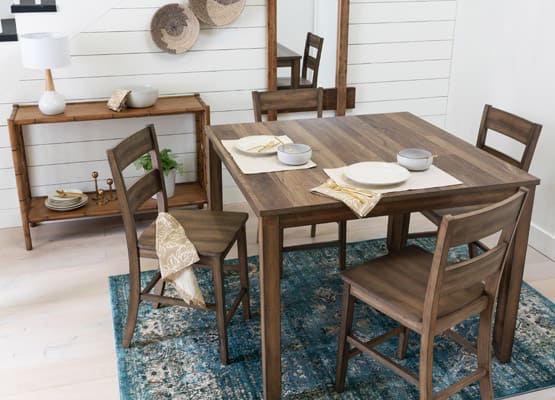
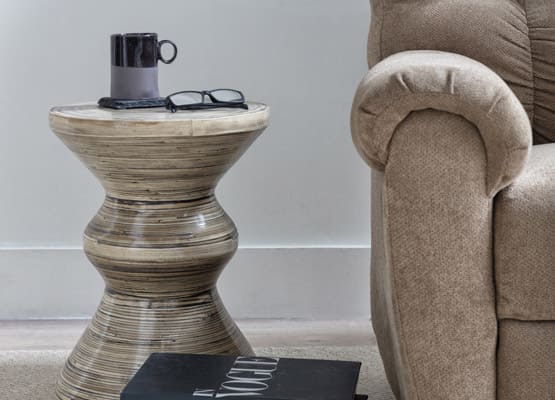
Bamboo fills the gap between outdoor furniture that withstands heavy abuse and outdoor furniture that has a stylish look about it.






— More Great Articles —

Bamboo & Similar Materials
Read the Latest


Editorial Disclaimer: Articles featuring tips and advice are intended for educational purposes and only as general recommendations. Always practice personal discretion when using and caring for furniture, decor and related items.