What Is a Wall Sconce?
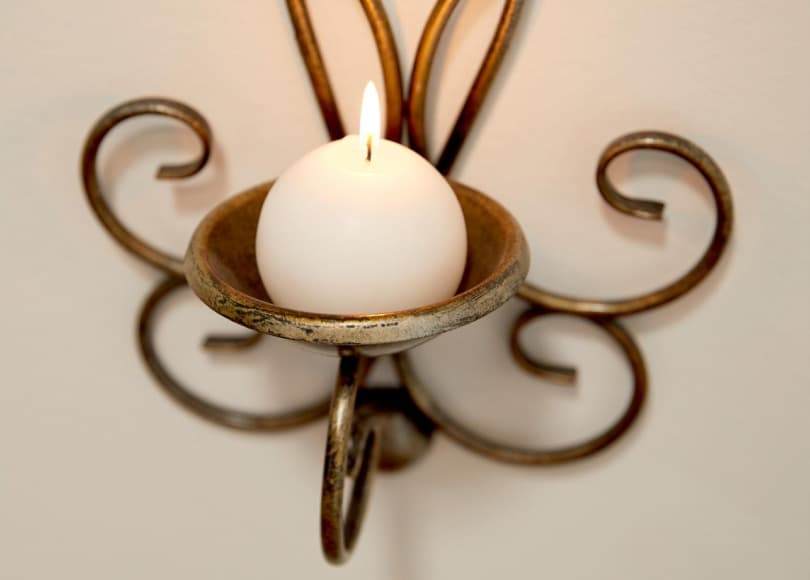
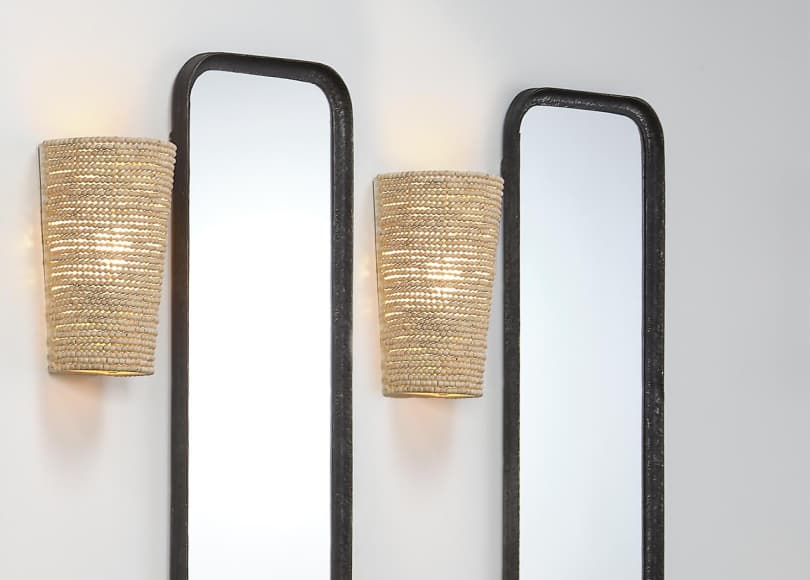
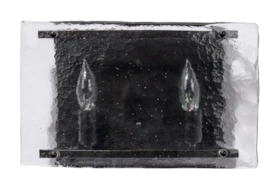
A wall sconce is a type of lighting fixture affixed to a wall, usually in such a way that it uses the wall for support and does not hang from the ceiling. Wall sconces can provide general, task, or accent lighting. Unlike floor lamps or table lamps, they save space and can be positioned at any height to create unique lightscapes in the room.

Incorporating Wall Sconces into Your Home
Here are some tips on how to use wall sconces effectively in your decor:
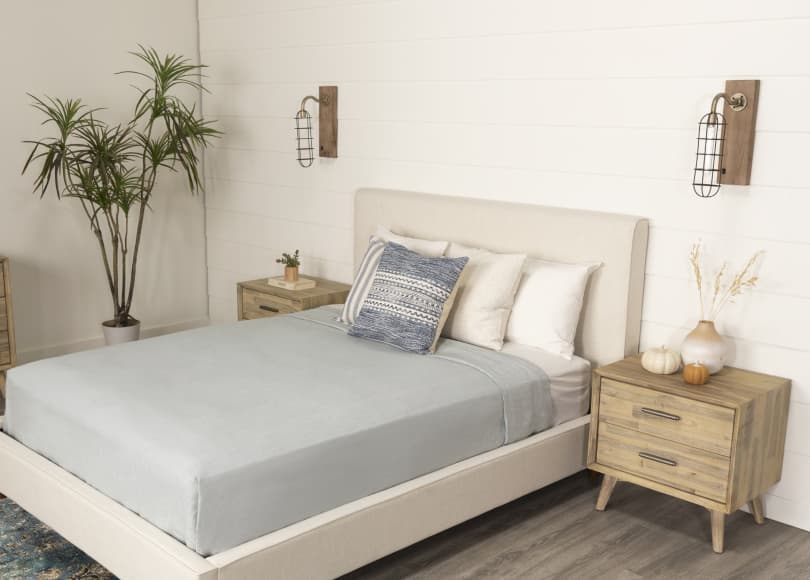
The Best Types of Wall Sconces
Contemporary, coastal or rustic? See which vibe meshes right for you.
What is the difference between a sconce and a wall light?
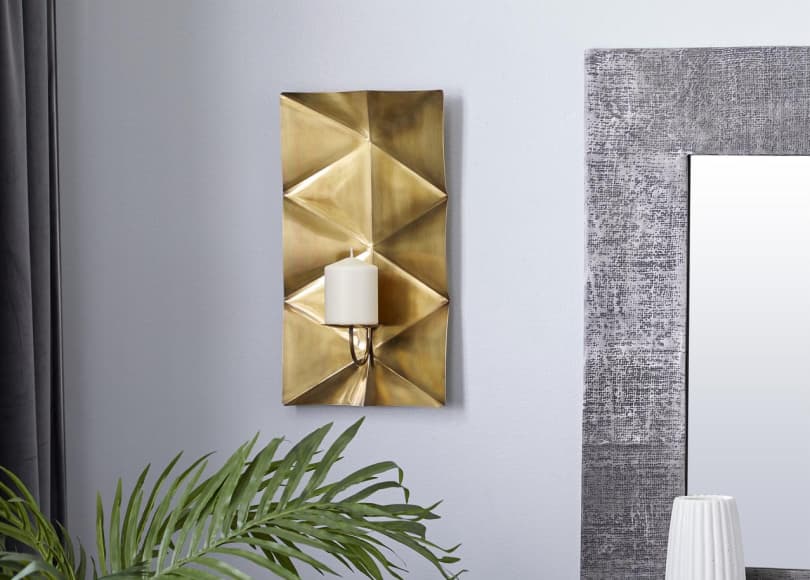
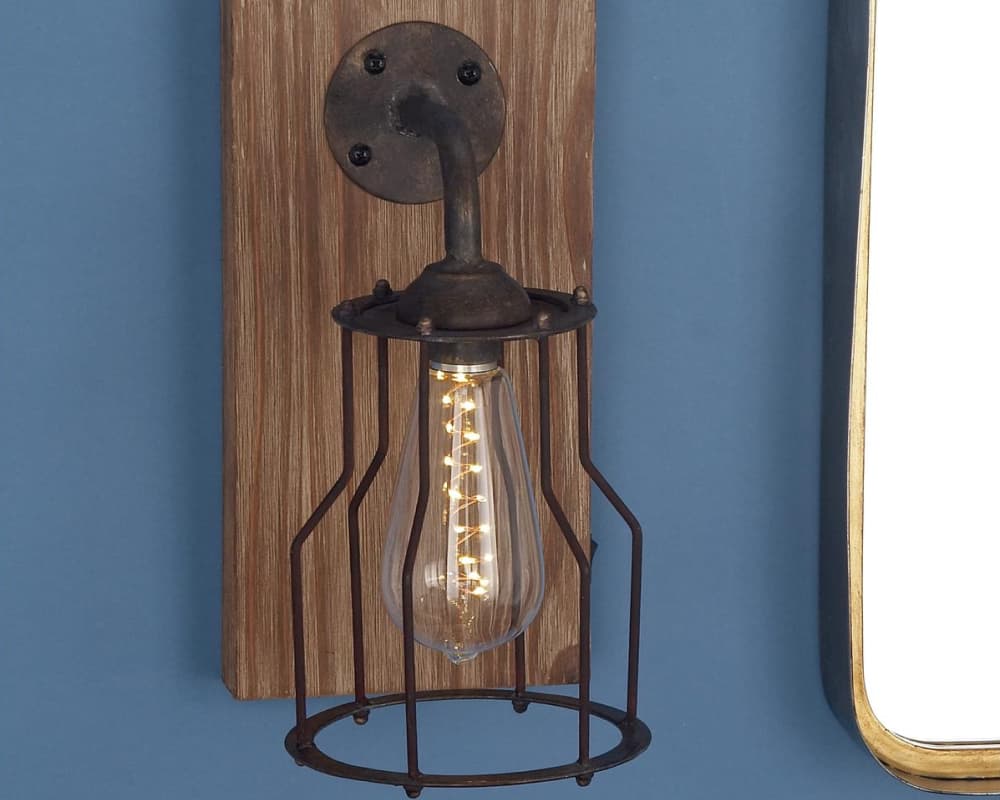
The difference between a sconce and a wall light is a sconce is more decorative. A sconce protrudes more from the wall with more encasing to show off style, while a wall light tends to be more flush. Choose a sconce if you want a tad more visual interest.
Why is it called a sconce?
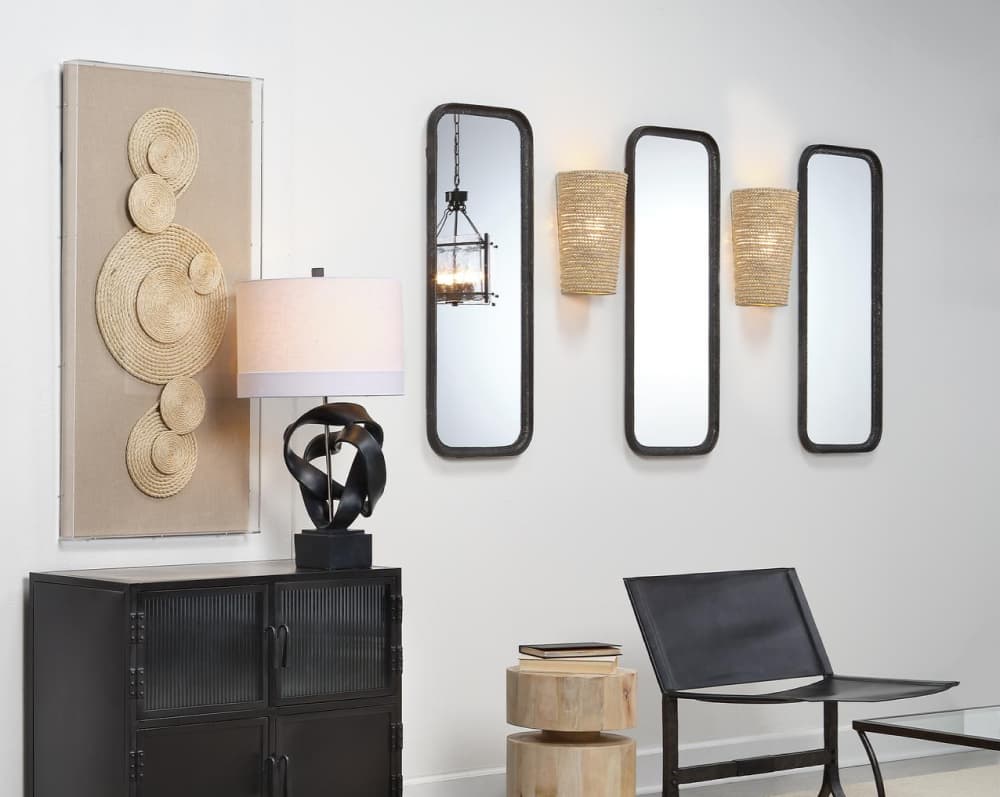
Sconce has a meaning that refers to a Middle English origin: screened lantern or candle. Today, sconce refers to any type of light fixture that can be mounted on a wall. This means that sconces can be decorative, simple, screened or unscreened.
Where do you put wall sconces?
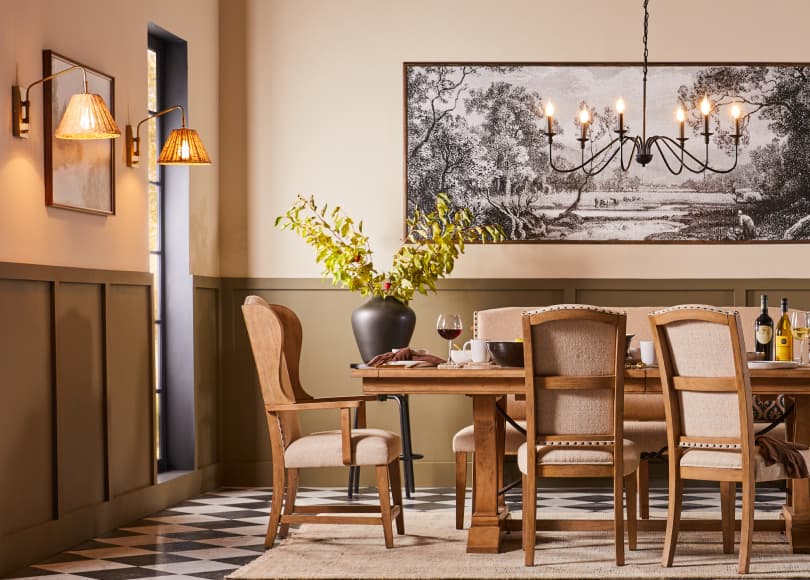
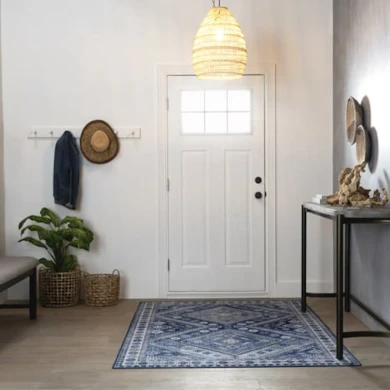
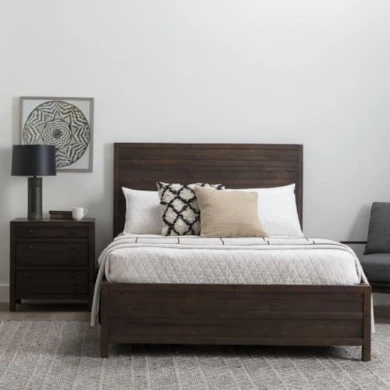
You can put wall sconces on any wall. As long as you have the right mounting equipment, a sconce can go wherever you need light. Most often, you can get the most benefit out of these lights by placing them over doorways, over an art piece, next to a door frame or over a bed frame. Choose a place based on your sight and mood needs.
Is a sconce always a light?
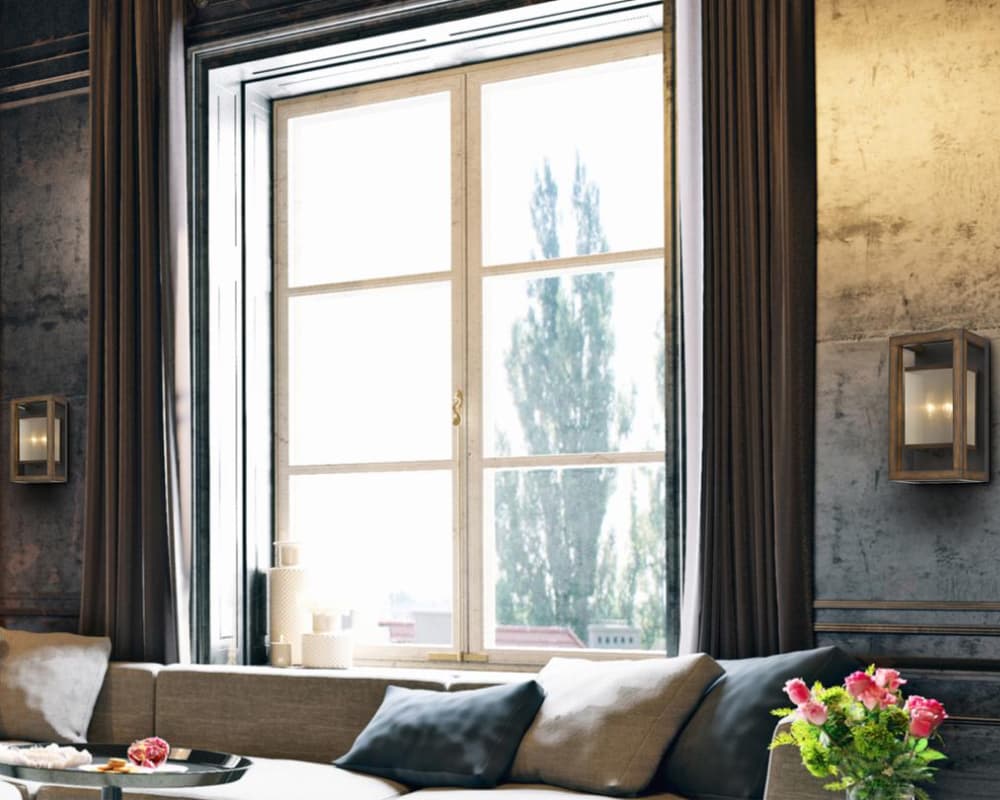
Yes, a sconce is always a light source. How that light source is functioned can vary: candle, battery or electricity can power sconces. Most often, sconces are operated via electricity and come with LED bulbs.
Similar to Wallchieres

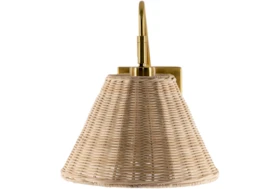


Farmhouse Lighting Design

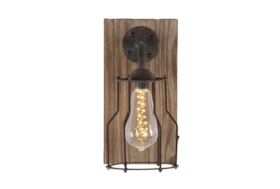


Traditional Wall Mounted Lighting Fixtures


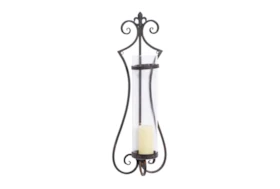


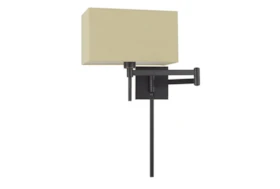

Different Types of Wall Sconces + Light Sources

Read the Latest


Editorial Disclaimer: Articles featuring tips and advice are intended for educational purposes and only as general recommendations. Always practice personal discretion when using and caring for furniture, decor and related items.