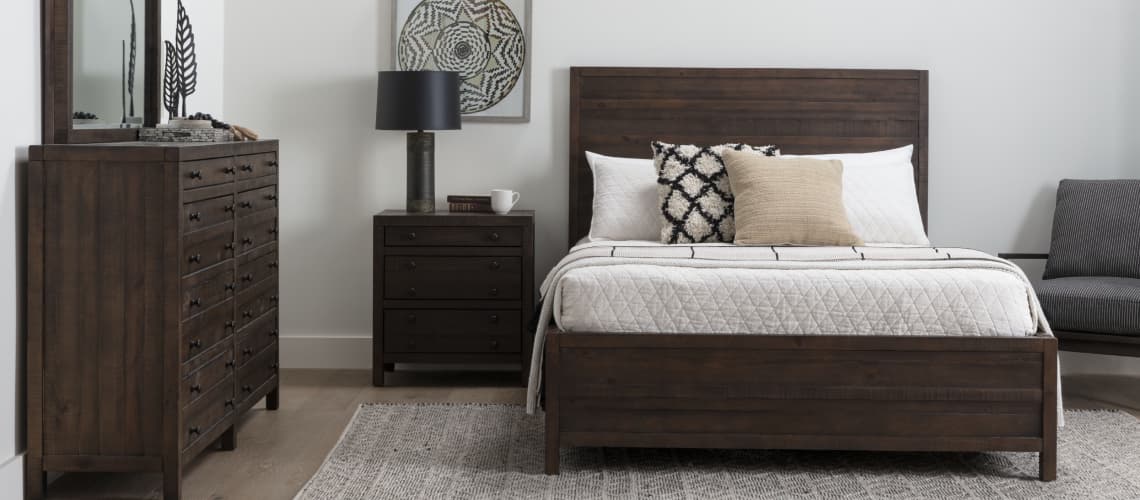
What’s the Difference Between a Throw and Blanket?
The history of throw blankets is a bit murky and it's not clear where they originated from. Regardless, throw blankets have become widely available and today they're a common household item all over the world.
There are endless ways to use throw blankets. In addition to being used as a cozy complement to your living room decor, they can also be used as a tablecloth, picnic blanket, or to ornament regular bed blankets. Whatever way you choose to use them, there's no doubt that throw blankets are a must-have item for any home.
Difference Between a Throw and a Regular Blanket
A throw blanket is typically smaller than a regular blanket, making it more suitable for decorative purposes or to snuggle up with on the couch. Throw blankets are generally made from lighter materials, such as cotton, wool, or faux fur.

Types of Throw Blankets
The diverse range of throw blankets means that there's something for everyone. Whether you're into the luxury of faux fur or just looking for a simple fleece throw to drape over a duvet to keep you extra warm, you'll be able to find the perfect throw blanket for you. Let's take a look at the different types of throw blankets:
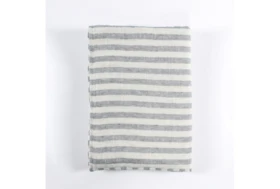
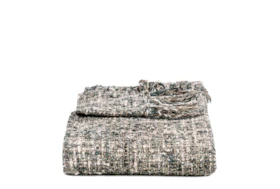


Cashmere
This fabric is made from Cashmere goats that are bred in several parts of the eastern world, including Tibet, Northern India, and Pakistan. Cashmere has a fine texture that is both light and exceptionally soft. It's also robust and offers good insulation.
High-quality, pure cashmere throws are more luxurious than other sheep's wool throws. This is because it's warmer and more delicate, giving the cloth an extraordinarily pleasant feel. A cashmere throw blanket is a welcomed addition during cooler evenings, its excellent insulation can provide warmth with a sense of grandeur.
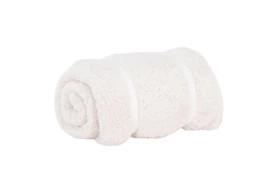
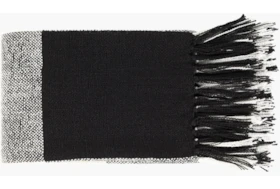
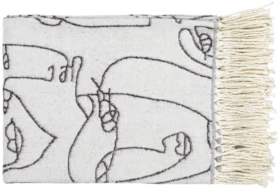
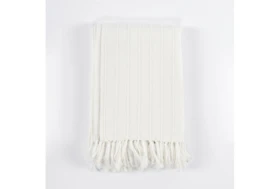
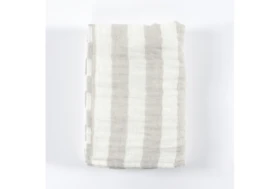

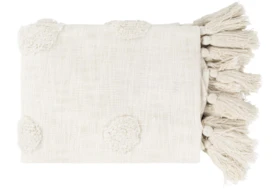
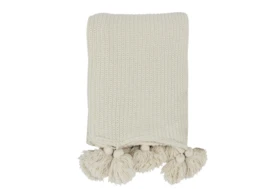
Cotton
Cotton plant fibers provide soft, breathable, and long-lasting fabric, even after several washes. This fabric doesn't retain air, so you'll remain at a comfortable temperature throughout the night. Cotton throw blankets are popular because of their durability.
Fleece
Fleece blankets are constructed of acrylic fibers and are incredibly soft, lightweight, and warm. This warm and comfy fabric can be enjoyed all year. Many people like fleece blankets because they're one of the softest textiles available at a reasonable price.
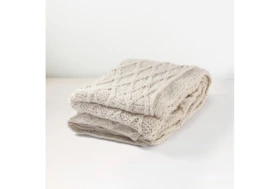
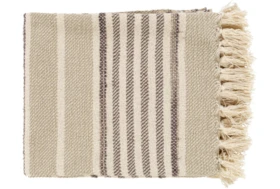
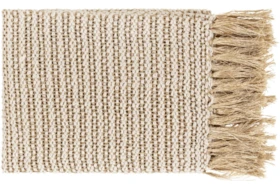
Faux Fur
Having a faux fur throw blanket adds a tasteful touch of luxury to your home decor. It's the perfect decorative element to drape over your living room couch to liven up the living space. This super soft throw blanket can provide warmth in winter months and serve as a barrier for leather couches in sticky summer months.
How to Use a Throw Blanket
Throw blankets are one of the most versatile home decor items. There's no end to what you can do with them. Here are some of our favorite throw blanket uses:
In Your Dining Space
A throw blanket draped over the back of a seat or chair in your kitchen, dining room, or outside on your patio furniture can dramatically enhance the look and feel of your dining space. Add a throw blanket to turn the room into a combination of kitchen and living space that's suitable for hosting guests or relaxing alone.

Over Your Couch
Drape a throw blanket over the middle of an old chair or sofa to breathe new life into it. Consider experimenting with contrasting fabrics and textures to make the throw blanket truly stand out. The smoothness and gloss of a leather couch can be enhanced when contrasted with a fuzzy cashmere or mohair throw blanket over the back of it.
As a Bedspread
Drape your throw blanket over your bed as a bedspread to contribute extra warmth to your bedroom. Whether it's a cotton throw, fleece throw, or faux fur, it will lend a unique decorative element to your room while offering practicality, especially during winter.
Wrap up With a Throw Blanket
A throw blanket is an essential piece for any home. Not only are they comfortable and cozy, but they also have practical uses during all four seasons. In the winter, they can help keep you warm by trapping heat close to your body. In the summer, they can provide a cool surface to rest on or use as a cover when you're trying to get to sleep.


Read the Latest


Editorial Disclaimer: Articles featuring tips and advice are intended for educational purposes and only as general recommendations. Always practice personal discretion when using and caring for furniture, decor and related items.