
Large Wall Art Style Tips for Any Home
How Big Are the Large Wall Art Pieces?
Wall Art Sizes Chart
| Wall Art Type | Common Wall Art Sizes | Recommended Spaces | Style Tips |
|---|---|---|---|
| Large Wall Art |
|
|
Hang a sprawling piece over a mantle; on the mantle, place two small candleholders on either side of the wall art. This will both draw attention to the wall art and balance out its massive size. |
| Medium Wall Art | 26x22, 32x24, 36x24 44x24,45x24, 45x30, 47x24, 47x31, 47x47 | Office, Kitchen, Entry, Living Room, Dining Room, Bedroom |
|
| Small Wall Art |
|
Hallway, Bathroom, Kids Bedroom, Guest Bedroom, Reading Nook | Three pieces of small wall art, lined up in a row, can refresh an otherwise hard-to-style space. |
How Do I Measure My Space for a Large Wall Art Gallery?
- If you are just itching to dress up any unused wall space in your home with chic wall art – but are unsure exactly which size will work best – then measure it. With a measuring tape, carefully take down the dimensions of the height of your wall, from floor to ceiling.
- Next, if there is a sofa, chair or other piece of furniture arranged against the wall, measure the distance from the floor to the top of the furniture, and subtract the measurement from the wall’s height. This will give you a general idea of how tall the collage can be.
-
To get a sense of how wide the collage can be, measure the entire width of the wall, from corner to corner.
Remember, too, that a general rule of thumb is to arrange art no closer than ten inches from the ceiling, corners or tops of furniture. This will help to keep a breezy feel and prevent an overcrowded appearance.
Which Large Wall Art Subject Type Is Best for My Space?

How to Style the Best Large Wall Art Collage for Your Home
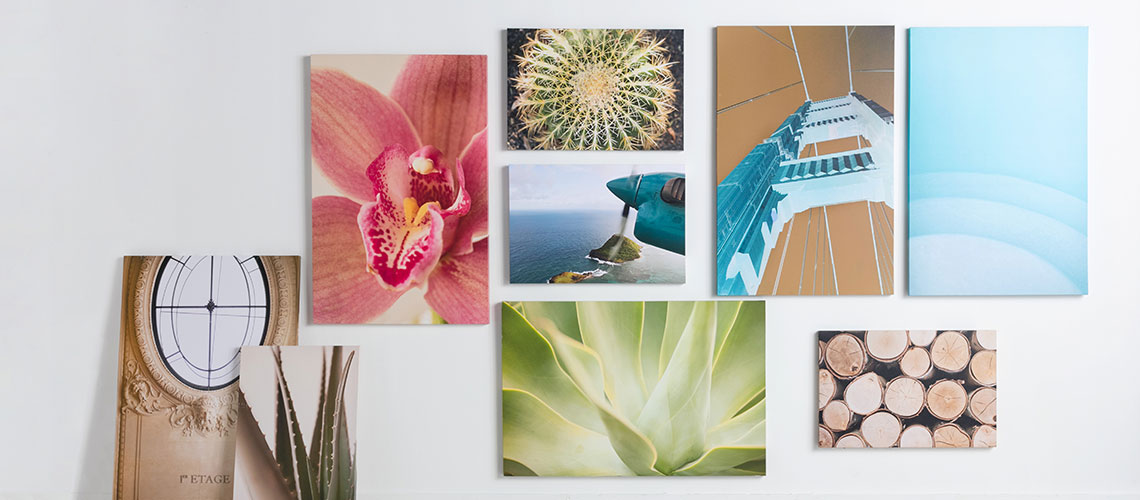
In general, a large wall art collage should either be completely uniform in one style or an equal balance of two styles. To determine which aesthetic is best for you, consider whether you want a crisp, contemporary feel or more of an eclectic vibe.
For example, keeping each piece a 7x7 square, in black-and-white photography, will create a smooth, symmetrical definition – a tad less playful, but perfect for adding depth and a touch of elegance to a clean modern look.
Contrarily, three or four vivid color paintings mixed with three or four black and white photographs, each of varying sizes, shapes and material types, will add an unexpected – yet totally graceful – charm.
To Frame, or Not to Frame? That is the Question…
- Do the main colors in the wall art blend in with the wall? If your wall is an off-white, and the color in your wall art is a similar (or identical) shade, it can be easy to look past your wall art (or not even see it at all!). In this case, frames will define your piece or gallery for a slick, sealed-in look.
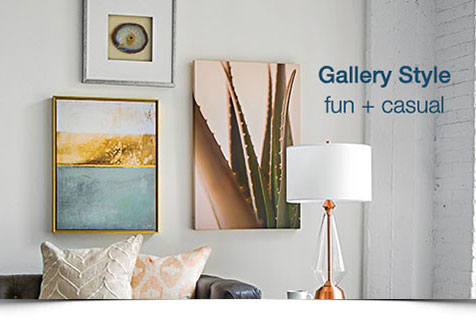
- If there are any other pictures in the room, are they framed? Generally, balance is all about symmetry, and in the case of home art galleries, symmetry is all about uniformity. If the majority of the photos in your room are already framed, then frame the rest for a clean, traditional aesthetic; leaving one or two unframed, on the other hand, can create a look that is a bit more eclectic or casual.
-
Is your overall style more traditional/classic or more contemporary/edgy? Traditional favors refinement and polish, so if it’s the former, go frame-crazy for a look that’s high in contrast and definition; contemporary, conversely, favors a bit of an ‘unfinished,’ breezier flair, so if it’s the latter, hold the frames for more of a rustic look.
The verdict? Go with frames if you want classic ‘pulled-together.’ For a more relaxed air, go frameless.
Expert Tip!
Remember, too, that a collage doesn’t have to be restricted to only art prints. For a unique twist on the standard home art gallery collage, try adding in metallic and/or wood wall décor, like an embellished mirror, welded flower – or even an engraved clock!
Large Wall Art Ideas
1. Desert Scenes
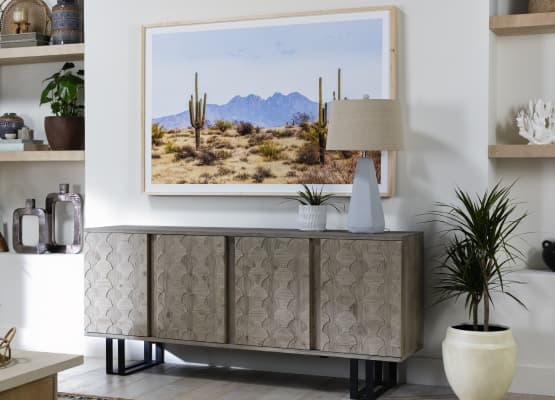
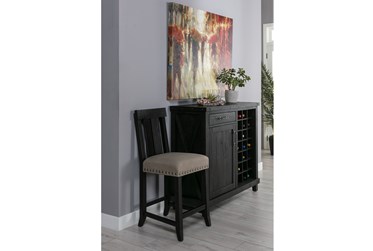
Go for a quiet charm by incorporating cactus photography. Here, above a buffet server, a large print works to expand the space and add color.
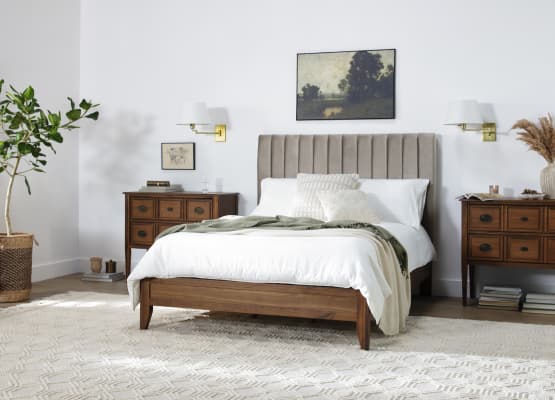
2. Bedroom Abstracts
Since the bedroom is your space, you can have more fun with the art. Choose bold abstracts and unique colors that speak to you and your personality.
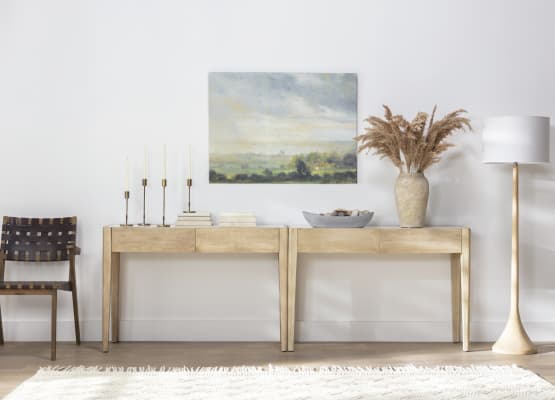
3. Hallway Scenes
Right when guests walk in, a large gallery of wall art is welcoming and fun. Hang up scenes of outdoors to create a pretend window overlooking a natural landscape!

4. Black and White Photography
A black and white gallery is classic, but it doesn’t have to mean boring! Go for fun photographs that will delight guests of all ages.
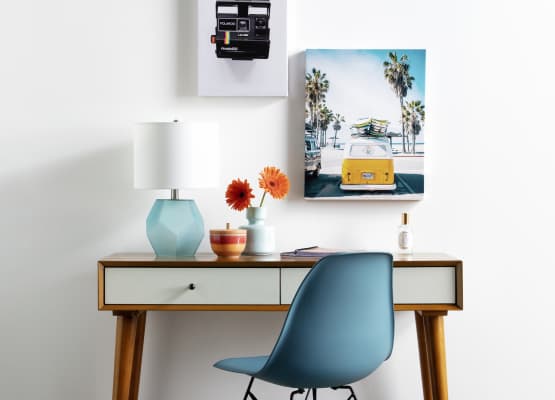
5. Portals
Let a wall art gallery be a portal to another place. hang up fun scenes of childhood memories or icons of your city or neighborhood.
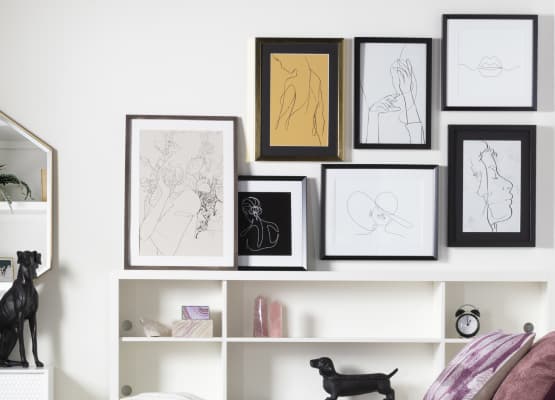
6. Scattered
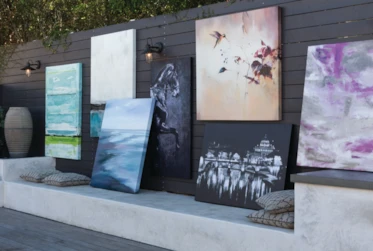
Staggered and scattered, wall art frames that are a tad smaller work together to form a larger whole. Note the mix of horizontal and vertical frames, which add dimension.
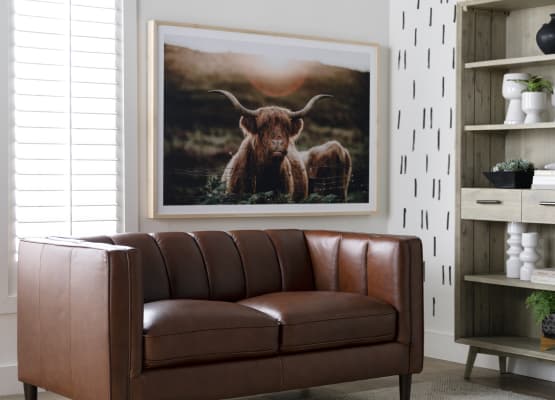
7. Up-Close
Scenic art is one thing. A close-up shot of an animal or person is another, and add a more intimate feel.
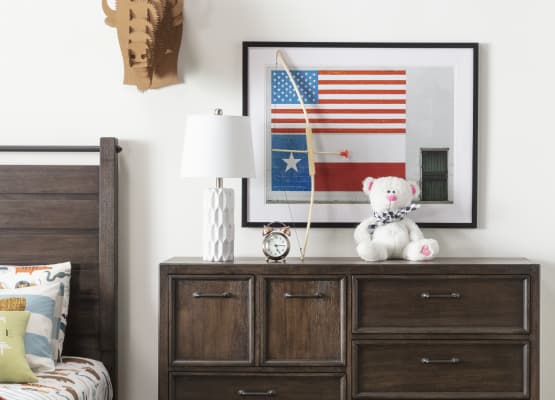
8. Collage
Mounting several images onto one matte creates allows you to personalize your walls. Top off with a black frame to make the subjects pop.
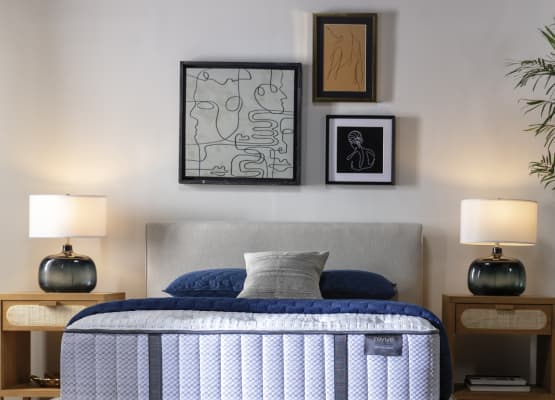
9. Overhead
Place wall art overhead – literally. Sleeping with wall art directly above will keep your dreams sweet, especially if the style is on point.
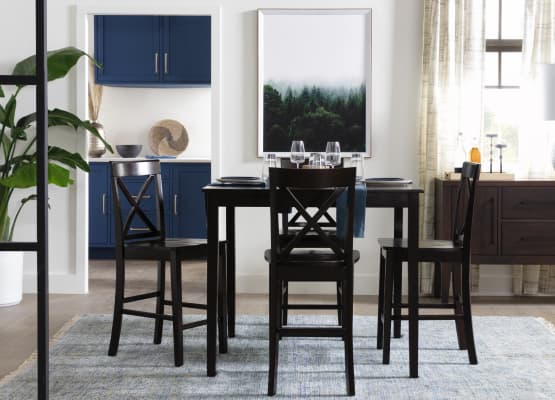
10. High-Intensity
Forget a splash of color – why not try a flash of color? The higher the intensity, the higher your imagination can soar.
11. Mountainous
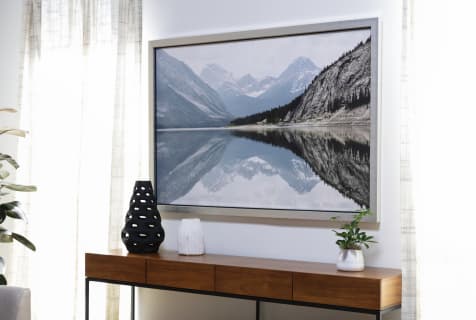
Even if you don’t live anywhere near them, mountains in art can have a calming effect in a home. Here, placed above a console table, a large painting feels fresh because of color: note the contrast between the warm wood, the soft pastels and the shock of black decor – all offset by a crisp white background. Here, a frame is used, but thanks to the surrounding color of table, decor and walls, this painting can just as easily get away without one.
Featured Products
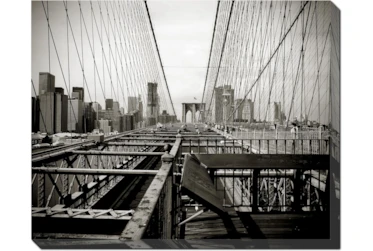
Picture-Brooklyn Bridge 50X40
$195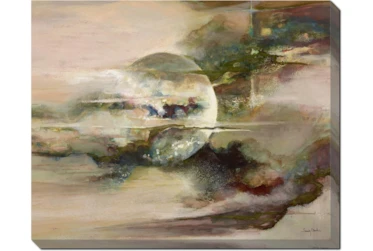
50X40 Mesmorized
$195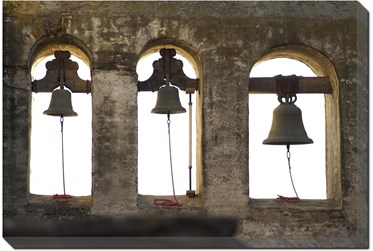
60X40 Mission Bells
$250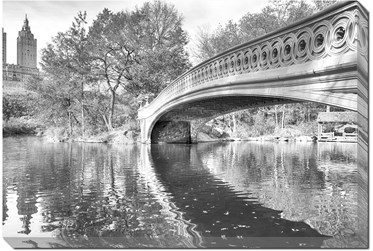
60X40 Central Park Bridge
$250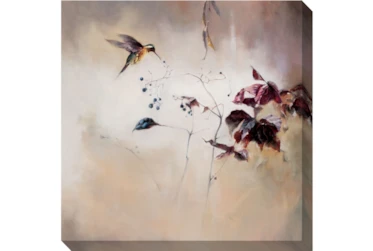
48X48 Hummingbird In Flight
$195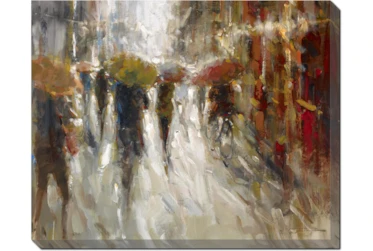
50X40 Rain Rain Come Again
$195

Picture-36X54 Arizona Route 66
$195
Picture-48X48 Elephant Gallery Wrap
$230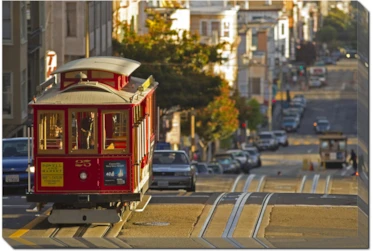
Picture-54X36 Cable Car
$195
Picture-Horse Race
$275
Picture-Yellow Door
$150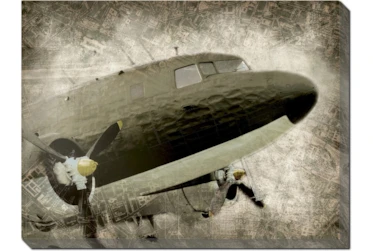
Picture-Take Flight
$175
— More Great Articles —

Read the Latest


Editorial Disclaimer: Articles featuring tips and advice are intended for educational purposes and only as general recommendations. Always practice personal discretion when using and caring for furniture, decor and related items.