How to Mix Wood Tones Like a Designer

Designer Tip:
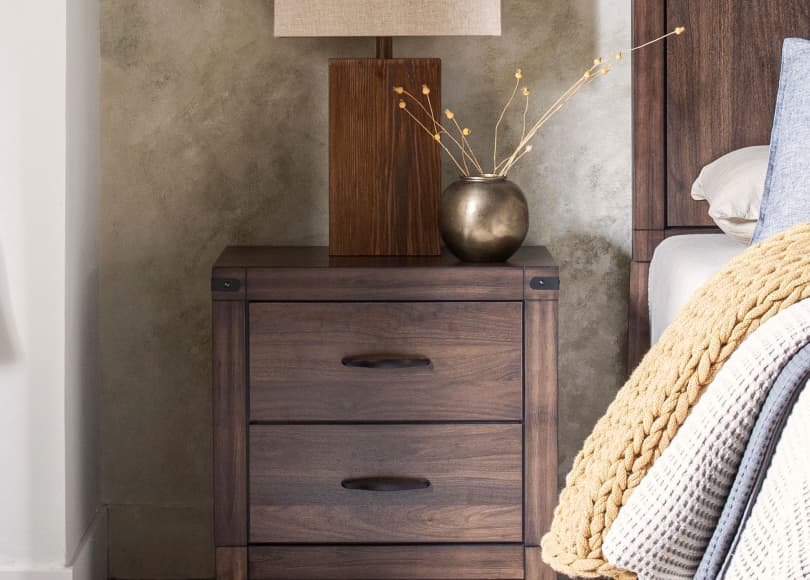
"The dominant wood tone draws the eye. Whatever piece takes up the most space is usually this. Whether it’s a coffee table, buffet server or headboard, use it as a point of reference for all other wood tones in the room.”
Meis Elnoiemey, Interior Designer
Designer Tip:
“If a piece is unfinished, it’s probably a warm tone. If you’re not sure, hold up cool metallic items next to it. If a silver tray brings out a bluish aspect, then it’s a cool undertone.”
Christopher Frean, Interior Designer
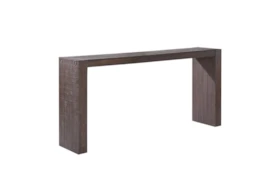
Contrasting Wood Entryway Furniture


Designer Tip:
“Contrast is great, but there needs to be some element that ties it together. My favorite way to accomplish this is through finish. The same distress, coating or stain. As long as you have that, mixing different wood colors and grains is fine.”
Meis Elnoiemey, Interior Designer
Ash Lighter Wood




Designer Tip:
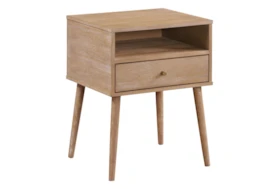
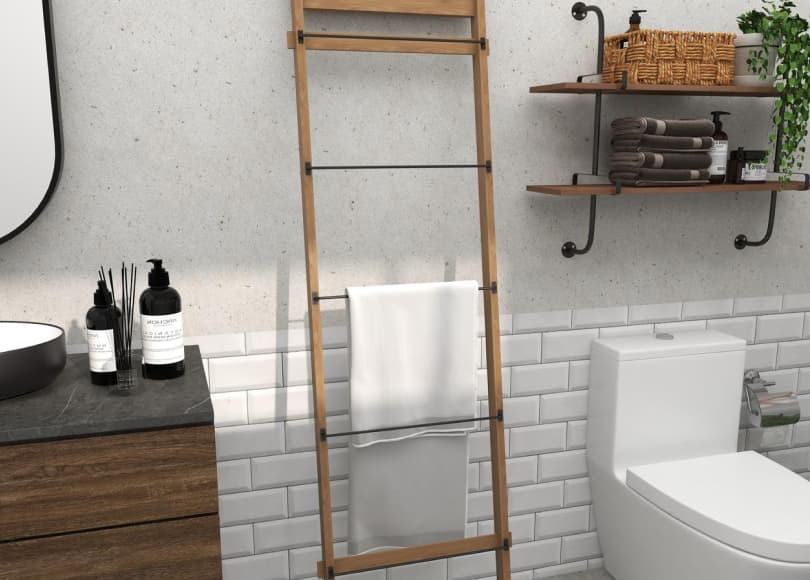
“Mix it up, but not too much. My rule of thumb is to mix at the most two different kinds of wood in a small room. Ash wood dresser and headboard, and mahogany mirror and flooring: it’s an aesthetic of both contrast and simplicity.”
Christopher Frean, Interior Designer
Wood Grain Dining Chairs
 Libby Modern Natural Brown Rattan And Walnut Brown Mahogany Wood Dining Chair Set Of 2
 Acton Brown Faux Leather Upholstered And Walnut Brown Finished Wood Dining Chair Set Of 2

 Acton Beige Faux Leather Upholstered And Walnut Brown Finished Wood Dining Chair Set Of 2

 Joseph Black Faux Leather Upholstered And Walnut Brown Finished Wood Dining Chair Set Of 2


Designer Tip:
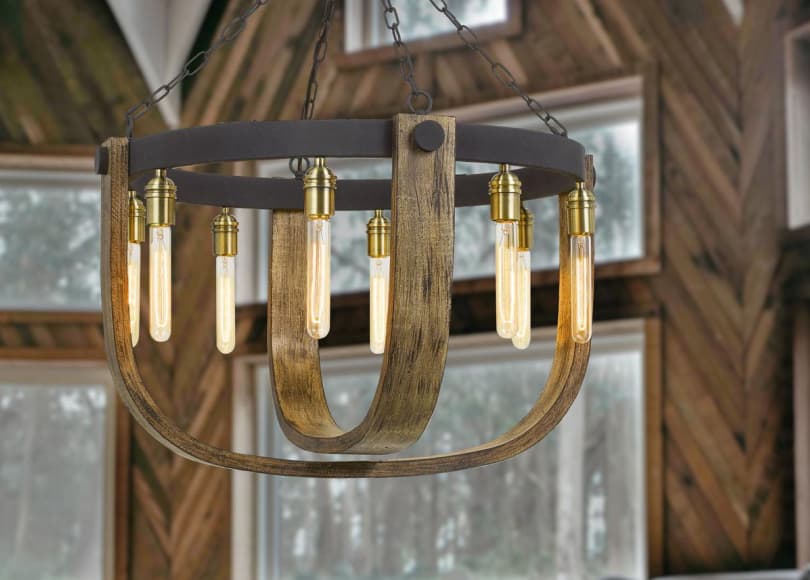
“Remember the silver tray trick from earlier? Finish your decorating with the exact object you used to identify the undertones. Place the cool silver tray atop a cool undertone coffee table for perfect complementation.”
Christopher Frean, Interior Designer
Which Wood Tones Go Together?
Cool with cool, warm with warm. Some examples of wood tones that go together include Maple and White Oak, and Ash and Pine. If one wood tone seems brownish or more orangey and the other seems more white-ish, they are better off separate.
Can You Mix Warm and Cool Wood Tones?
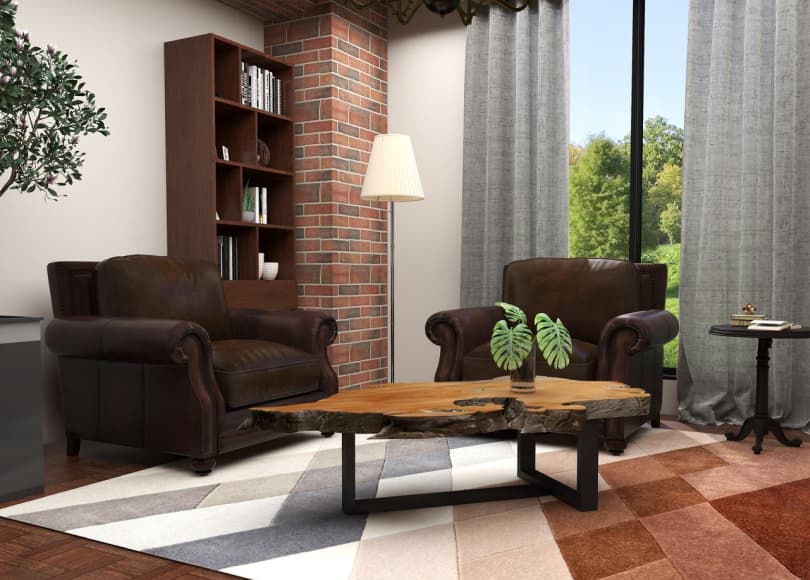
If you want a challenge, mix up the warm and cool wood tones. The best piece of advice here is to choose one to dominate the space: a large, wall bookcase or the entire wall itself, all of the flooring, would be the dominant. The smaller, accent wood tone? Think things like furniture legs, an end table, accent paneling or a decorative bowl.
How Do You Mix Wood Shades?
Mix wood shades by their undertones: warm with warm and cool with cool. While this might seem obvious at first, wood undertones come in a variety of shades, and some that look cool can actually be warm. The best way to determine undertone is to hold up two pieces of wood next to each other, as you would paint swatches!
Is It Okay to Mix Dark and Light Wood Furniture?
It is for sure okay to mix dark and light wood furniture, because darkness and lightness usually have no direct relation to undertone. So, get to the undertone before you start mixing it up. Look for a dark piece of rosewood or teak, which give warmer tones, or, for example a dark piece of walnut, which tends to be cooler.
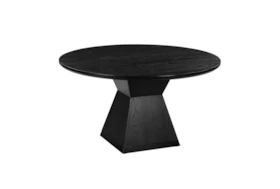
Warm Wood Dining Room Tables




Choose Your Wood Mix

Read the Latest


Editorial Disclaimer: Articles featuring tips and advice are intended for educational purposes and only as general recommendations. Always practice personal discretion when using and caring for furniture, decor and related items.