Guides
How Far Should Furniture Be From a Fireplace?
In terms of fire safety, just a little furniture moving can make all the difference. Here’s everything you need to know.
How Far Should You Place Furniture From a Fireplace?
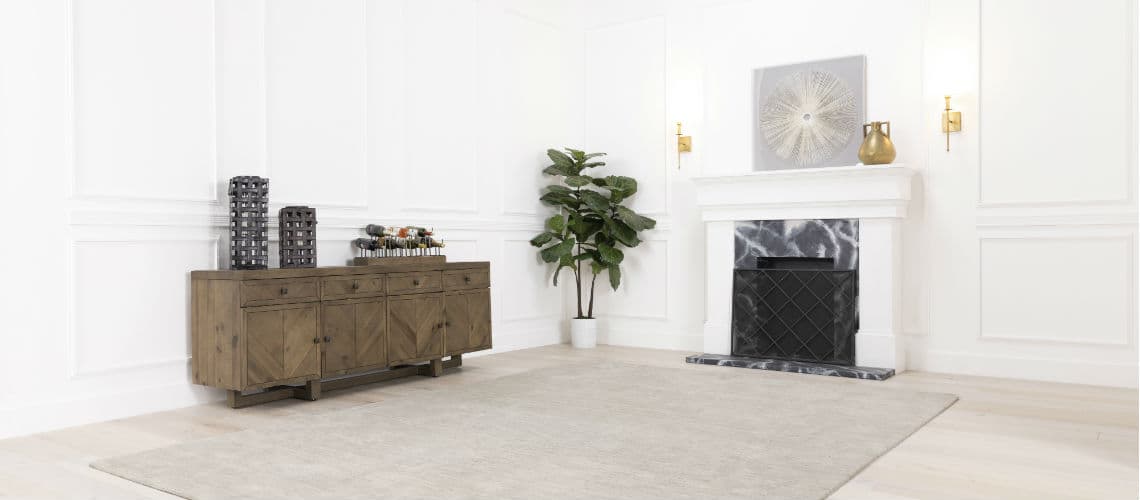
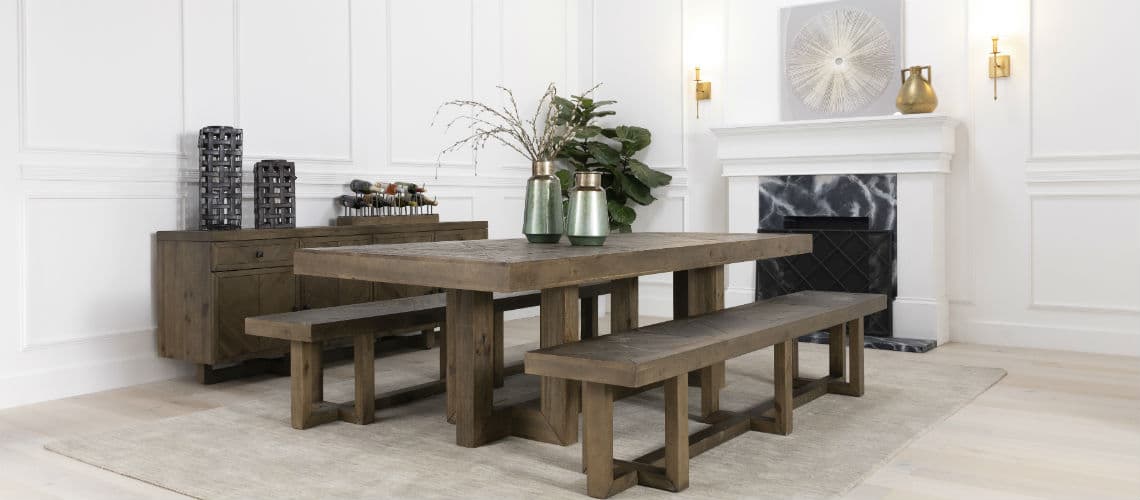
Almost every insurance company and government-sponsored organization recommends placing furniture at least three feet from a fireplace. Any closer than three feet, and the risk of an ember landing on a flammable material increases dramatically – even for fireplaces with screens.
Fire Safety Tips
- Know where your space heaters are. They pose just as much of a fire risk as lit fireplaces, so be mindful of how much space you leave between them and your furniture. Like fireplaces, three feet (minimum) is recommended.
- Keep cords, wires and chargers secured together. If your home is full of hi-tech gadgets, make sure the cables that come with them aren’t out in the open for people to easily trip over. Investing in a cable management system and/or cable protectors can also help to prevent dangerous wear-and-tear and exposure of the wires within them.
- Monitor burning candles. Never leave a room with a candle burning. When you are monitoring your burning candles, be sure they are placed away from drapes and curtains and other loose fabrics.
- Create an easy exit path. In other words, don’t block doorways with chairs or sofas, even for temporary arrangements. Disaster can happen in a second – and being ready when it does starts with easily identifiable walkways for fast evacuation.
- Follow the product safety guidelines for your furniture. Follow the safety guidelines that come with your piece. If for example, your dresser comes with an anti-tipping kit and instructions for installing it, make sure to install it exactly as the instructions dictate.
- Choose lamps with weighted bases. Lightweight lamps have a higher risk of toppling over; the heavier your lamp base, the less of a fire hazard it poses.
— More Great Articles —



Fireside Designs
Read the Latest


Editorial Disclaimer: Articles featuring tips and advice are intended for educational purposes and only as general recommendations. Always practice personal discretion when using and caring for furniture, decor and related items.