Guides
Earthquake Preparedness: Furniture Do’s & Don’t’s
Earthquake preparedness starts in the home – and furniture safety is a big part of it. See how you can get prepared today.
1. Hanging Pictures
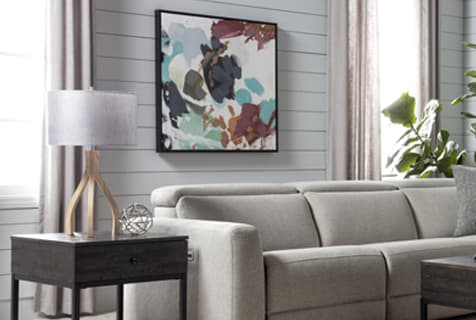
Do: Use earthquake-resistant brackets.
If you live in an area that’s prone to frequent quakes, it may be worth swapping out frame hooks for earthquake-ready brackets, available in most hardware stores.
Don’t: Hang loose frames above beds.
If the picture you are hanging is especially heavy, and you’re using the hook-and-nail technique, consider hanging the picture a little more out of the way – such as above a dresser.
If you live in an area that’s prone to frequent quakes, it may be worth swapping out frame hooks for earthquake-ready brackets, available in most hardware stores.
Don’t: Hang loose frames above beds.
If the picture you are hanging is especially heavy, and you’re using the hook-and-nail technique, consider hanging the picture a little more out of the way – such as above a dresser.
2. Bookcases
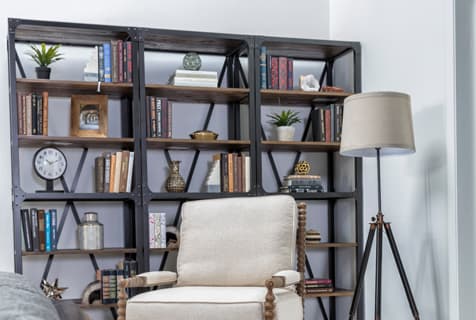
Do: Install an anti-tipping kit.
Heavy-duty furniture with drawers and shelves comes with anti-tipping kits, so use them! Install them as soon as you take the furniture item out of its box to save you headache in the long run.
Don’t: Place heavy items on top shelves.
Unless the item can be secured with a safety latch, play it safe and avoid the top shelves altogether.
Heavy-duty furniture with drawers and shelves comes with anti-tipping kits, so use them! Install them as soon as you take the furniture item out of its box to save you headache in the long run.
Don’t: Place heavy items on top shelves.
Unless the item can be secured with a safety latch, play it safe and avoid the top shelves altogether.
3. Cabinets & Drawers
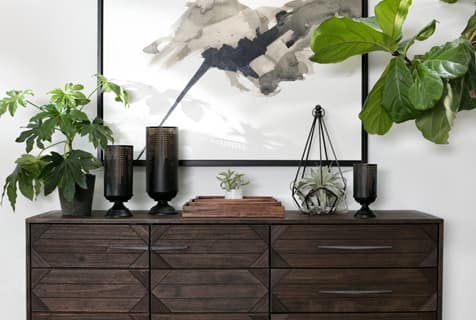
Do: Invest in locking cabinets.
Many cabinets, TV consoles and buffet servers come with locking doors. This can prevent dishes from flying out when the shaking starts – proving the benefit of you and your family.
Don’t: Keep glass bottles and dishes at the top.
If storage is minimal and you need to use the top cabinets, keep the heavier wine bottles and bowls towards the back (and lighter items towards the front).
Many cabinets, TV consoles and buffet servers come with locking doors. This can prevent dishes from flying out when the shaking starts – proving the benefit of you and your family.
Don’t: Keep glass bottles and dishes at the top.
If storage is minimal and you need to use the top cabinets, keep the heavier wine bottles and bowls towards the back (and lighter items towards the front).
Earthquake Safety Tips
- Pack an earthquake kit. All it will take is just a few minutes of your time, but packing the essentials for you and your family in case of disaster can make all the difference. Make sure to include enough water, non-perishable food and first aid/medications for at least a few days.
- Keep your kit in an easy-to-access area. i.e., don’t shove it in the back of the upstairs closet.
- Inspect your gas heater. Make sure that it won’t topple over from
- Keep flashlights on hand. Make sure they’re working, and have a designated place for them in case of power outage.
- Invest in a generator... If you can spare the cost, it’ll be worth it for emergency backup.
- …Or a portable cell phone charger. When disaster strikes, access to communication is crucial.
- During an earthquake, get under a covering. Cover your head and neck with your arms and hands.
- During an earthquake, if you’re driving, safely find a place to pull over. Stop in an open area away from traffic, and stay in your car with your arms and hands covering your head, until the shaking is over.
- Inspect your home for heavy hazards. Avoid placing heavy decor or bottles on top shelves where they can easily fall.
- Bolt framed pictures and art to the wall. Avoid using only a hook and nail, especially in areas like right above the bed or sofa.
- If you are indoors, don’t run outside. Staying indoors during an earthquake is far safer than being near trees and buildings.
- Keep calm. Get your family members, earthquake kit and yourself under cover, and remain calm. It’ll help prevent panic and keep you thinking clearly.
— More Great Articles —
Read the Latest


Editorial Disclaimer: Articles featuring tips and advice are intended for educational purposes and only as general recommendations. Always practice personal discretion when using and caring for furniture, decor and related items.