How to Wash a Down Comforter in Three Steps
Before washing your down comforter:
What to Check Before Washing
Test for Colorfastness: If your comforter has colored fabric, test for colorfastness by dabbing a bit of water with detergent on a small hidden area to ensure the color doesn’t bleed.
What You'll Need to Wash a Down Comforter
- Large-Capacity Front-Loading Washing Machine (or a top-loader without an agitator, to prevent damage).
- Down-Safe Detergent that’s gentle and fragrance-free.
- Wool Dryer Balls or Tennis Balls to fluff the down during drying.
- A Large, Flat Drying Space to lay your comforter for air drying, especially if you won’t be using a dryer.

Washing a Down Comforter
Step 1: Find a front load washer.
- A top load washer will also work – as long as it does not contain an agitator. Whether you use a front load washer or top load washer, it’s important that the comforter has enough space to spread out evenly inside. Large washers work best for down comforters, so if your washer is so small that the comforter feels crammed inside, it may be worth finding a commercial washer to get the job done.
- If your comforter is anything but bright white, don’t use any bleaching products. Always check the labels of your detergents and treatments to make sure bleach is not an ingredient. (It’s worth reading the labels even if you’re 90% sure there’s no bleach – on the 10% chance of destroying your comforter.)
- Wash the comforter alone. (This doesn’t mean to wash the comforter by yourself – by all means, invite friends and family to your comforter-washing party!) What we mean here is that you should not place other articles of clothing or linens in the same load as the comforter. Mixing in clothes and other blankets can tangle up the comforter, resulting in clumping of the feathers and a deflated look. Washing a comforter with terrycloth towels is especially warned against, as terrycloth tends to shed easily and can stick (as lint) to a comforter’s fibers
Tip: (Mixing things in with a comforter is bad for yet another reason: it takes up more space in the washer and dryer, and prevents true “fluff” in the end.)

Step 2: Use the Gentle Cycle.
- Set the machine to the gentlest setting available. Use only a small amount of detergent (if it’s concentrated detergent, use even less).
- Set the water temperature to warm (not hot) for better cleaning, or cooler if it’s not that dirty.
- Once it’s rinsed, examine it for detergent residue; give it another rinse (or set the washer to extra-rinse) if residue is left. (Failing to rinse out all residue can eventually lead to the chemical residue sinking into the fabric and altering the composition, color and feel.)
- Don’t over-wash your comforter. Over-washing a comforter is actually really easy to do, since washing a comforter every couple of weeks on the same day as you wash your sheets tends to be convenient. However, a comforter does not require the same regularity of washing as sheets! In fact, washing your comforter too much and too often is an easy way to say goodbye to its color, feel and fluffiness.
- Make sure to wash your comforter only every year or six months by sleeping with a duvet cover; the cover will keep your comforter clean and fresh without washing.
Tip: An all-white comforter might seem like a scary thing to own (oh, the stains and spills, galore!), but it’s actually really easy to own. This is thanks in large part to bleach: add a couple drops of it into the load with your comforter, and the white will never feel brighter (and the stains will never feel less present). (Even treating stains on a white comforter is easier, since you can use a powerful bleach treatment and won’t have to worry about disrupting the color of the comforter.)

Step 3: Machine or Air Dry.
- One of the reasons to air dry rather than machine dry is that air drying will ensure a more even distribution of the down, while machine drying will sometimes cause clumping. Air drying also allows you the possibility of washing your comforter if the comforter’s care tag prohibits machine drying. Finally, air drying, especially on a line in a backyard, will catch the natural breeze, meaning the comforter won’t stiffen due to a harsh or too-hot machine cycle.
- Machine drying cycles have their benefits, too. One of the reasons to choose machine drying over air drying is that machine drying naturally re-fluffs your comforter by gently beating it around all sides. (To enhance a machine’s “fluff” effect, throw in a couple of dryer balls.)
- Some dryers will also come with an air fluff setting; if your dryer has one, use it to enhance your comforter’s fluffiness straight out of the dryer. When drying in a machine, just be wary of temperature: choose the low heat setting (and the gentlest cycle) to prevent shrinking or overheating the fibers.
- A comforter fresh out the dryer is one of life’s little pleasures. To make it even more pleasurable, douse a dryer ball or two with a couple drops of pure essential oils. A quality brand of organic (read: clean) essential oil can deliver 10 times the firepower of a scented dryer sheet or scented detergent – without any of the common toxins often associated with dryer sheets.
- Treating stains on a comforter is easy if you get to them right away. Pretreat the stain with a color-safe detergent before washing, and wash in cold water to get the stain out.
Tip: Don’t skip washing. On the rare occasions when it is time for the wash cycle, don’t forget to do it, to keep your bed fresh and you a happier sleeper.
How Do You Spot Clean a Comforter?
To spot clean a comforter, first identify the stained area and lightly blot it with a clean, white cloth or paper towel to absorb as much of the stain as possible. Next, mix a small amount of mild detergent with warm water to create a gentle cleaning solution. Dip a clean cloth or sponge into the solution and dab the stain, working from the outside edges toward the center to prevent it from spreading. Once the stain has lifted, use a damp cloth with plain water to rinse the area, removing any soap residue. Finally, press a dry towel onto the spot to absorb excess moisture and allow the comforter to air dry completely before using it again.
Comforting Comforters


Full/Queen Comforter-Navy Cotton Waffle Weave 3 Piece Set With 1 Comforter + 2 Shams | 2 Piece | Machine Washable
$110

King Duvet Cover-Cocoa Washed Linen | California King | Machine Washable
- Machine Washable


King Comforter-Cream Cotton Waffle 3 Piece Set With 1 Comforter + 2 Shams | California King | Quilted | Machine Washable
$125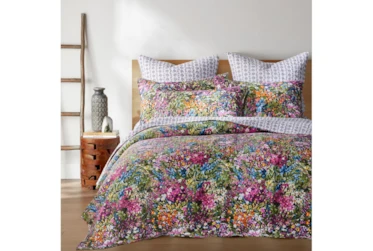

King Quilt-3 Piece Set Reversible Multicolor Cotton Bright Floral Design To B&W Geometric | Sets | Machine Washable | Rectangle
- Machine Washable


King Quilt-Cocoa Brown Cotton Waffle Weave 3 Piece Set With 1 Quilt + 2 Shams | Machine Washable | California King
- Machine Washable


King / California King Comforter- Natural Marta Cotton and Flax Linen Blend 3 Piece Set With 1 Comforter & 2 Standard Shams | Machine Washable
- Machine Washable


Full/Queen Comforter- Bright White Cotton Waffle Weave 3 Piece Set With 1 Comforter + 2 Shams | Quilted
$110

King Comforter-Navy Cotton Waffle 3 Piece Set With 1 Comforter + 2 Shams | California King | Quilted | Machine Washable
$125

King / California King Comforter- Ivory & Taupe Violette Tufted Cotton Chenille 3 Piece Set With 1 Comforter & 2 Standard Shams
- Machine Washable
- Ecofriendly


Full/Queen Comforter-Navy Mila Cotton with Chenille Tufting 3 Piece Set With 1 Comforter & 2 Standard Shams | Machine Washable
- Machine Washable
- Ecofriendly


King Comforter-Grey Beacon Textured Cotton Blend 7 Piece Set With 1 Comforter 2 King Shams 1 Bed Skirt & 3 Accent Pillows
- Machine Washable
- Ecofriendly


King Bedspread-Cocoa Brown Cotton Cross Stitch 3 Piece Set With 1 Bedspread + 2 Shams | Geometric | Machine Washable | California King
- Machine Washable


King Bedspread-Taupe Cotton Waffle Weave 3 Piece Set With 1 Bedspread + 2 Shams | Machine Washable | California King
- Machine Washable


King/California King Bedspread-Grey Cotton Waffle Weave 3 Piece Set With 1 Bedspread + 2 Shams | Machine Washable |
- Machine Washable


Common Questions About Comforter Care
How often should I really be cleaning my comforter?
The frequency of comforter washing depends on its use and filling. For most, a deep clean every 3-6 months is sufficient, but if you sleep directly on it without a duvet cover, consider washing it monthly to remove body oils and allergens. For those with allergies or pets, more frequent washing might be beneficial.
What's the best way to tackle stubborn stains on my comforter before washing?
For tough spots, pre-treat them with a gentle stain remover specifically designed for fabric, or a mixture of mild detergent and water. Blot the stain gently rather than rubbing to avoid damaging the fibers, and let it sit for about 15-20 minutes before proceeding with the wash cycle. Always test stain removers on an inconspicuous area first.
Can I machine wash my comforter, or is dry cleaning the only safe option?
Most down and synthetic comforters can be machine washed at home, provided your washing machine is large enough to accommodate it without overcrowding. Check the care label for specific instructions, as some delicate materials or vintage comforters may indeed require professional dry cleaning. A front-loading or top-loading machine without an agitator is ideal to prevent damage.
What are the key differences in washing down versus synthetic comforters?
Down comforters are generally more delicate and require a gentle cycle with a mild detergent, and it's crucial to ensure they are completely dry to prevent mildew; tumble drying on low with dryer balls is recommended. Synthetic comforters are usually more durable and can handle slightly warmer water temperatures and more vigorous washing, though always follow the care label.
How can I ensure my comforter dries thoroughly and evenly after washing?
The best method is to tumble dry on a low heat setting with dryer balls or clean tennis balls to help break up clumps and ensure even drying. It's essential to check for dampness periodically and even take it out to air fluff it for a while to ensure no moisture remains trapped within, which can lead to mold or mildew.